
Air Sealing Services in San Angelo, TX
Professional air sealing services in San Angelo, TX, help homeowners and businesses reduce unwanted air leakage, improve indoor comfort, and manage heating and cooling demands. Gaps around windows, doors, attic access points, and utility penetrations can allow hot outdoor air to enter during Texas summers and conditioned air to escape, contributing to high utility bills.
Our local contractor assesses these areas and selects appropriate sealing materials, such as caulk, weatherstripping, and expanding foam, based on the building's construction. When needed, diagnostic testing helps identify less obvious leaks and guides a thorough approach to the work.
Request a Free Quote
We will get back to you as soon as possible.
Please try again later.
Explore Our Professional Insulation Services
Professional Air Sealing Services in San Angelo, TX
Unwanted gaps around attic openings, plumbing penetrations, wall connections, and other parts of the building envelope can allow conditioned air to escape. Our air sealing services focus on identifying these leakage points and selecting appropriate materials to close them. Proper air sealing can improve indoor comfort, reduce uncontrolled airflow, and support the performance of your property's insulation system.
other insulation services:
Metal Building Insulation
Improve temperature control and help manage condensation in metal workshops, warehouses, garages, and other structures with suitable insulation.
Closed Cell Foam Insulation
Reduce heat transfer and unwanted air leakage with dense spray foam that provides approximately R-6 to R-7 per inch, depending on the product.
Attic Insulation
Help reduce heat transfer through your attic and maintain more consistent indoor temperatures during San Angelo's hot summers.
Open Cell Foam Insulation
Fill suitable wall and roof cavities with expanding foam that helps reduce air leakage and provides sound-dampening benefits.
Blown-In Insulation
Add even thermal coverage to compatible attic spaces using professionally installed loose-fill fiberglass or cellulose insulation.
Comfort Control
Air Sealing Solutions for San Angelo Properties
San Angelo's hot summers, temperature swings, and seasonal humidity changes make controlling unwanted air movement important for residential and commercial properties. Air sealing focuses on openings around windows, doors, attic access points, plumbing lines, wiring, and other penetrations where outdoor air may enter or conditioned air may escape. A qualified insulation contractor can also assess which types of insulation and related improvements, such as attic insulation or spray foam insulation, may suit the building.
Closing these gaps can help reduce drafts, support more consistent indoor temperatures, and improve overall energy efficiency. During the hottest months, limiting unwanted heat infiltration may reduce some of the demand placed on HVAC systems. Depending on the property's condition, air sealing can be coordinated with insulation upgrades to improve comfort by addressing both air leakage and heat transfer. Because insulation isn't designed to stop every air leak, the appropriate scope depends on the building envelope, ventilation requirements, and existing materials. A property-specific assessment helps determine which improvements are suitable for the home or business.
Warning Signs
Common Sources of Unwanted Air Leaks
Identifying likely leakage points helps technicians determine where air sealing may be most effective. Gaps and cracks around window and door frames can allow outdoor air to enter, particularly when weatherstripping or sealants have deteriorated. Electrical outlets and switch plates on exterior walls may also permit drafts when openings exist behind the fixtures. Sealing these irregular spaces can help make your home more comfortable throughout the year.
Attic hatches and pull-down stairs are additional areas to inspect because inadequate seals can allow air to move between living spaces and the attic. Openings around plumbing lines, wiring, ductwork, and other utility penetrations can create similar pathways. The extent of leakage varies by property, so these areas should be assessed rather than assumed to account for a fixed percentage of energy loss. A thorough inspection can identify where dependable sealing work is most appropriate, including openings between interior and exterior areas.
Our Process
Our Air Sealing Inspection and Sealing Process
1
Comprehensive Air Leakage Inspection
A systematic inspection begins the air-sealing process. Trained technicians examine accessible windows, doors, attic access points, and utility penetrations to identify visible gaps and areas where air leakage may be occurring. They also consider existing insulation, ventilation, and moisture conditions to avoid treating sealing as an isolated fix when other building issues may be involved. This careful approach supports reliable recommendations for homeowners and business owners looking to insulate their properties more effectively.
2
Air Leakage Testing and Assessment
Where appropriate, a blower door test can measure a home's overall air leakage under controlled pressure conditions. Combined with a visual inspection and other diagnostic methods, this information can help locate less obvious leaks and prioritize repairs. Testing methods depend on the property's layout and the scope of the assessment. The goal is to create a more airtight home or working environment without compromising necessary ventilation or the building's safe operation.
3
Professional Sealing and Final Inspection
After identifying the relevant areas, technicians apply suitable materials, including caulk, weatherstripping, or expanding foam, according to the size and location of each opening. Materials are selected based on the surface, movement, exposure, and intended application. Proper installation helps close gaps and crevices, limits unwanted air movement, and creates a durable seal where appropriate. A follow-up inspection checks the completed work and confirms that required ventilation openings and equipment clearances remain unobstructed.
Cost Guide
Air Sealing Cost Factors
Air sealing costs in San Angelo vary according to property size, accessibility, the number and location of leaks, and the amount of preparation required. Some projects may fall within a general range of $300 to $1,500, but this is only a planning estimate and may not reflect more extensive work. The final price depends on the conditions identified during an assessment and the materials needed to complete the job.
Labor requirements and material selection also affect the cost. Accessible gaps around doors and windows may require less work than concealed penetrations or difficult-to-reach attic areas. Different sealing products have specific application requirements, and larger projects may involve additional diagnostic testing or repairs. The selected approach should suit the property's working space, building materials, and long-term performance needs.
If insulation upgrades are needed alongside air sealing, those costs should be identified separately in the project estimate. An assessment can also determine whether moisture concerns, damaged materials, or ventilation issues need attention before sealing begins. An itemized quote helps homeowners understand the proposed work, materials, and expected costs without relying on a fixed price or assumed energy savings. It can also clarify whether improvements to the insulation and attic area or other parts of the property should be considered.
Our Advantage
Why Choose Our Air Sealing Team
Effective air sealing requires careful assessment and the correct application method for each part of a building. Our local service professionals evaluate common leakage points and select appropriate materials based on the property's construction, existing insulation, and ventilation needs. This targeted approach addresses identified openings rather than applying the same treatment throughout every property. Our recommendations focus on dependable results and practical improvements to comfort and energy efficiency for homes and businesses.
Industry experience helps technicians assess San Angelo's hot summers, attic leakage, heat infiltration, and uneven indoor temperatures. They also consider moisture management and indoor air quality, since sealing work should not obstruct necessary ventilation or conceal unresolved water problems that could contribute to mold growth. Where suitable, air sealing can be coordinated with insulation improvements to address complementary sources of energy loss. Spray foam insulation may be appropriate for certain gaps and cavities, but the right solution depends on the application and building conditions. The aim is to improve performance without creating unwanted moisture or vapor problems.
Clear communication is part of the process. Property owners can review the inspection findings, recommended sealing methods, and scope of work before proceeding. Our team aims to provide responsive service and explain how the proposed work may help reduce drafts and manage energy bills. The expected benefits depend on the building's original condition, the extent of leakage, and how well the improvements work alongside existing insulation and heating and cooling systems.
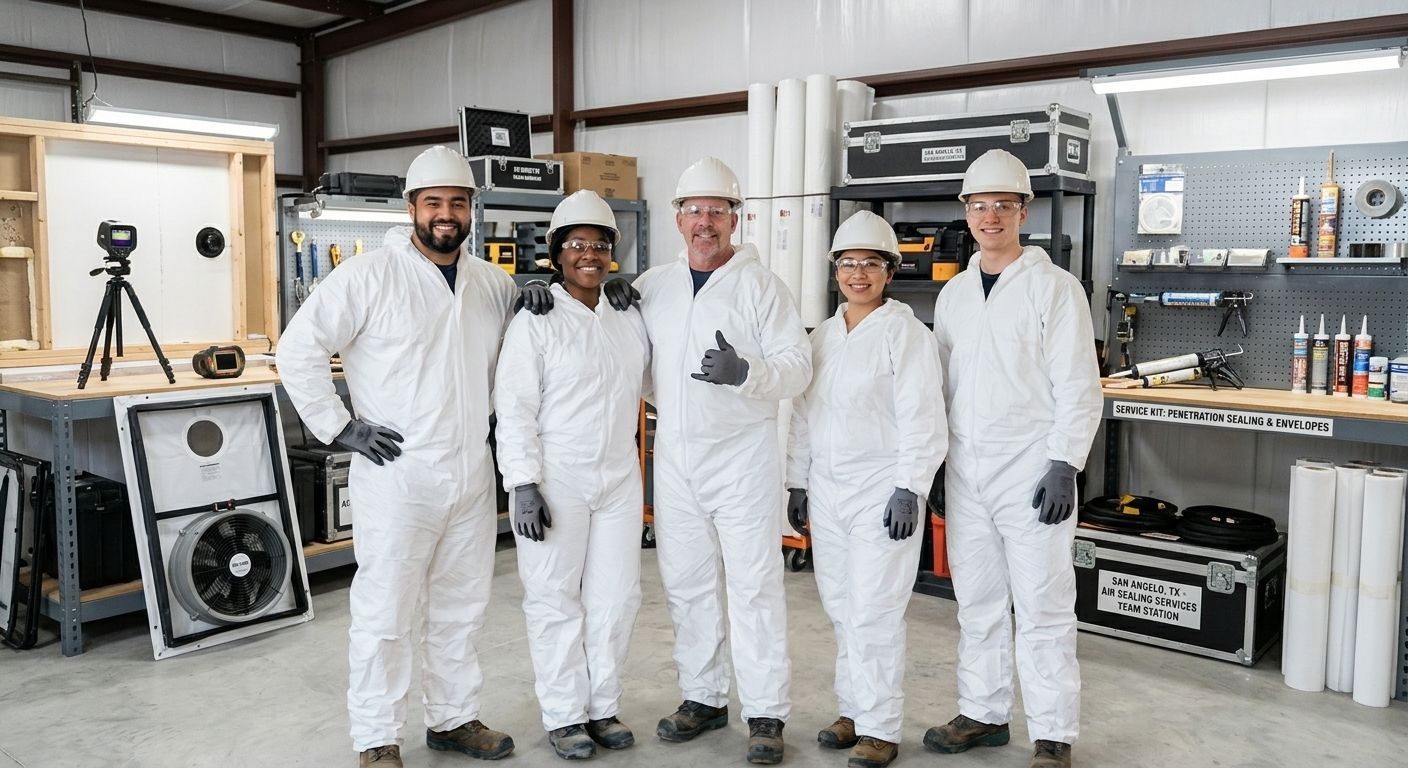
Our Work
Air Sealing Projects in San Angelo
Air sealing projects across San Angelo focus on identifying and closing gaps that contribute to unwanted air movement in homes and commercial buildings. Inspections commonly cover window and door frames, attic access points, plumbing penetrations, wiring openings, and other areas where the building envelope may be incomplete. The scope is tailored to each property and the locations where leakage is found, whether the work involves a residence or a commercial working space.
Depending on the application, technicians may use caulk, weatherstripping, or spray foam to seal suitable openings. Each material has a specific purpose, so selection depends on gap size, surface conditions, movement, and the manufacturer's instructions. Expanding foam can help fill certain gaps and crevices, but it is not suitable for every opening or surface. Professional procedures also account for ventilation needs and appropriate clearances around electrical components and heat-producing equipment.
Air sealing may help limit the entry of outdoor dust and other airborne particles through uncontrolled gaps, although it does not replace appropriate filtration or ventilation. When existing insulation is insufficient, combining suitable upgrades with air sealing may improve thermal performance. Depending on the building, options may include fiberglass, cellulose, or spray foam insulation, each with different properties and installation requirements. In San Angelo's hot climate, these measures can help manage unwanted heat transfer and support year-round comfort. For properties with a crawlspace, technicians can assess whether air leakage in that area also needs attention. Project timing depends on site conditions, material requirements, and any preparation needed before installation.
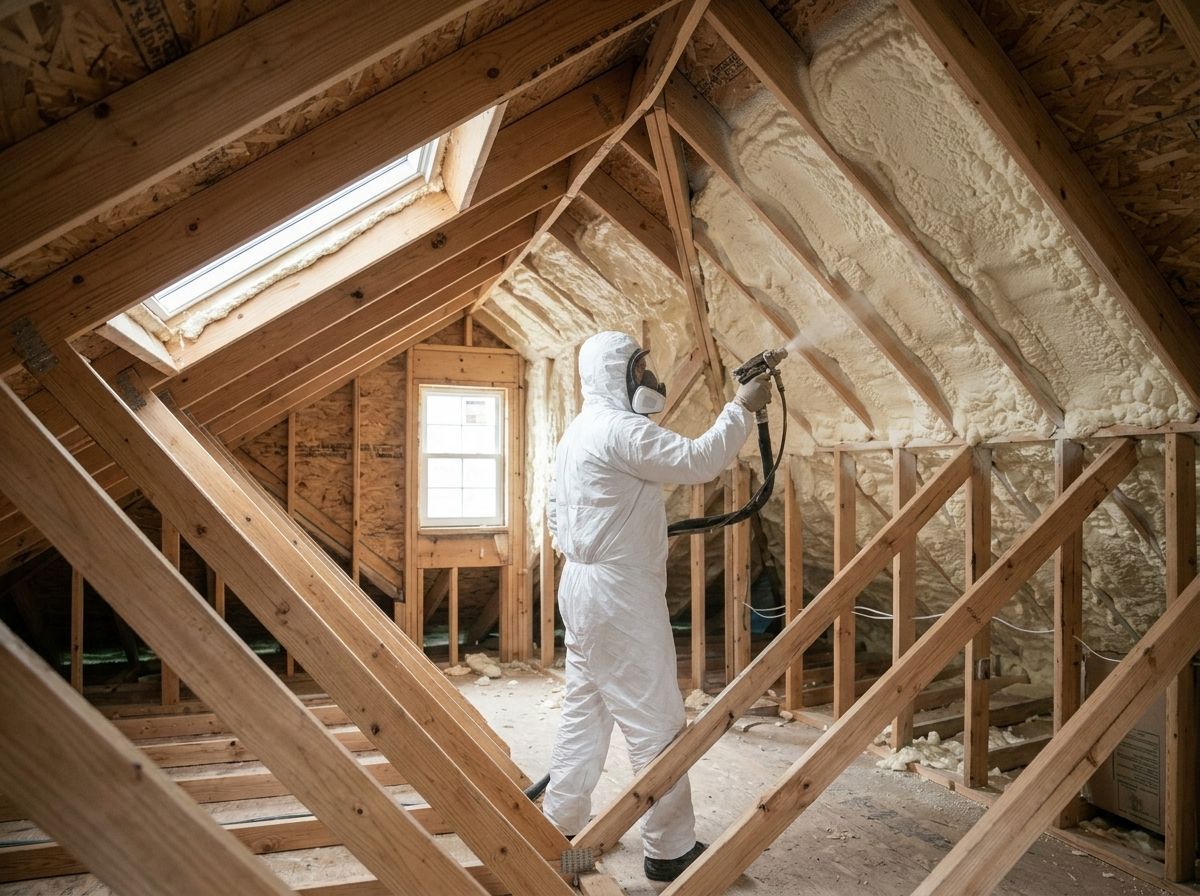
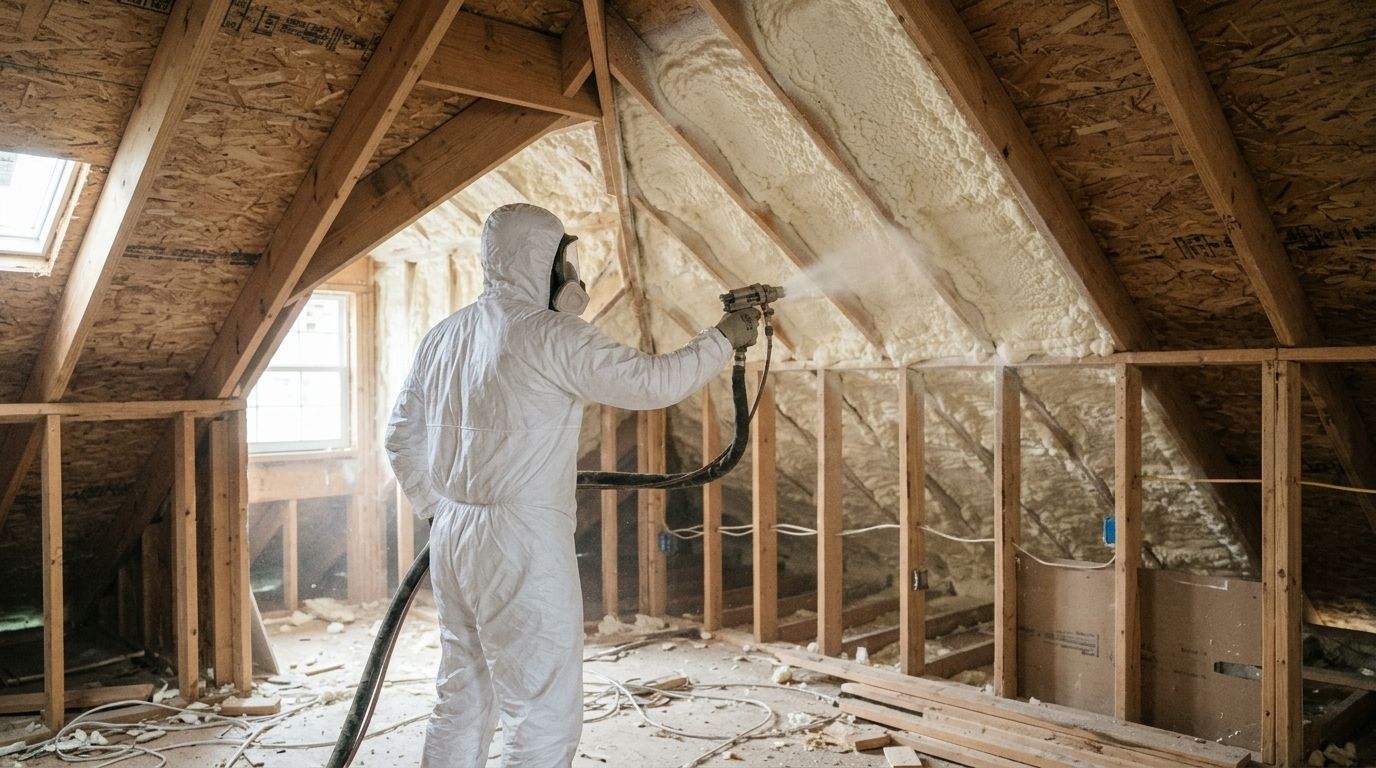
Residential Attic Air Seal & Thermal Barrier
San Angelo, TX
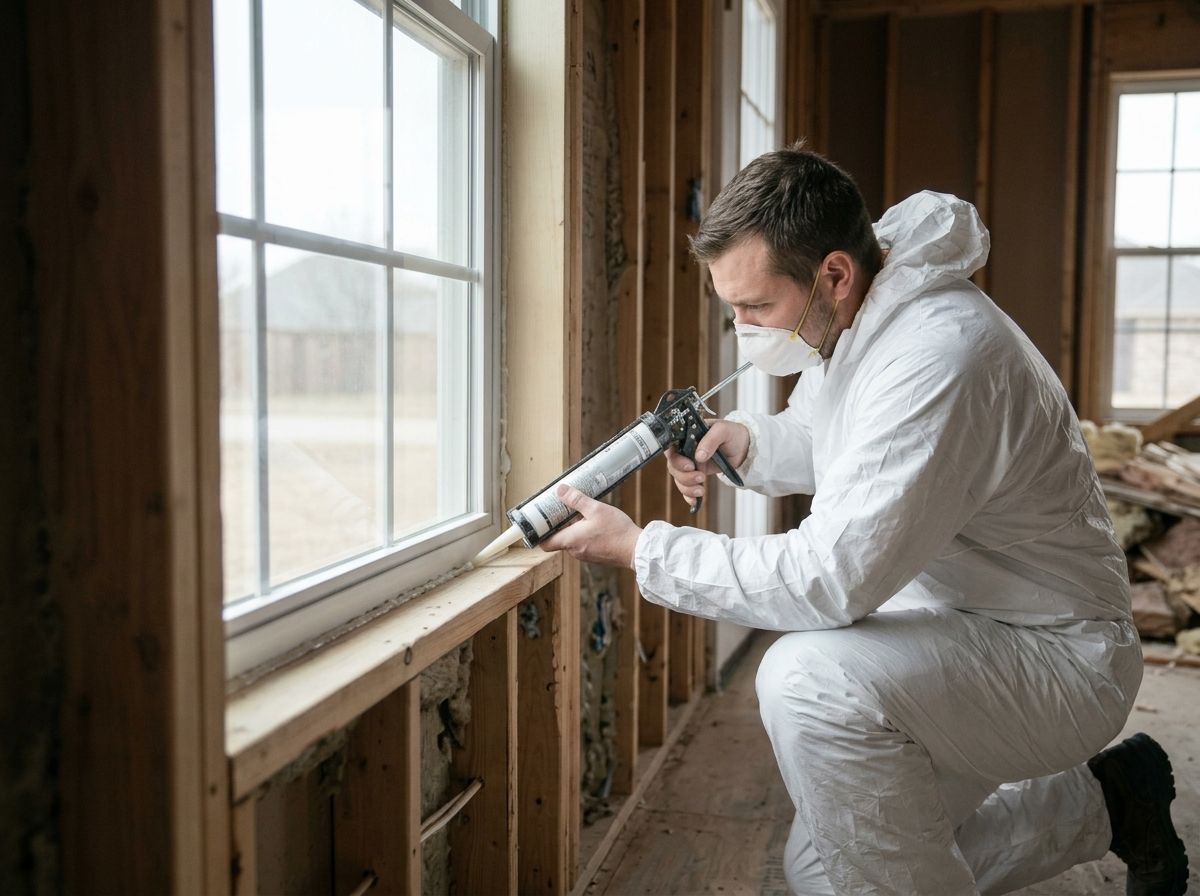
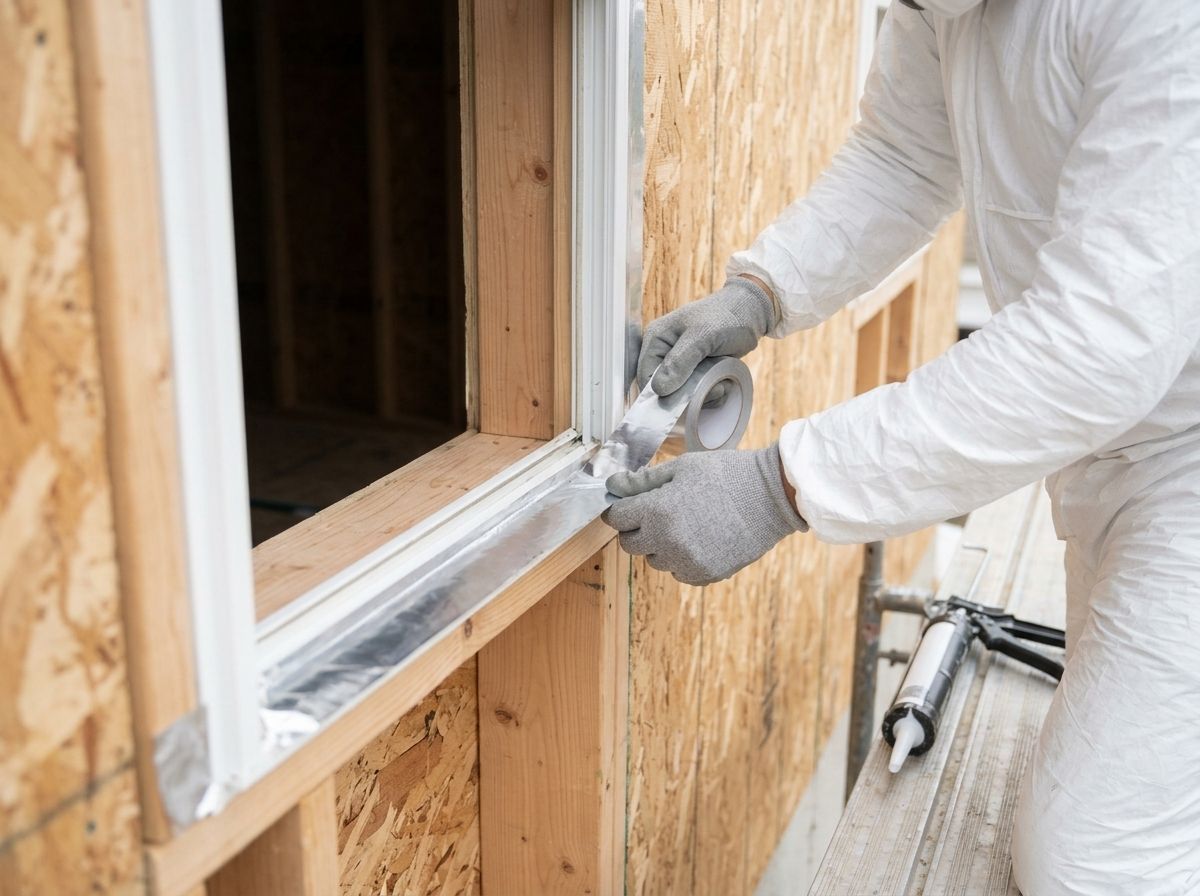
Residential Air Sealing & Window Framing Detail
San Angelo, TX
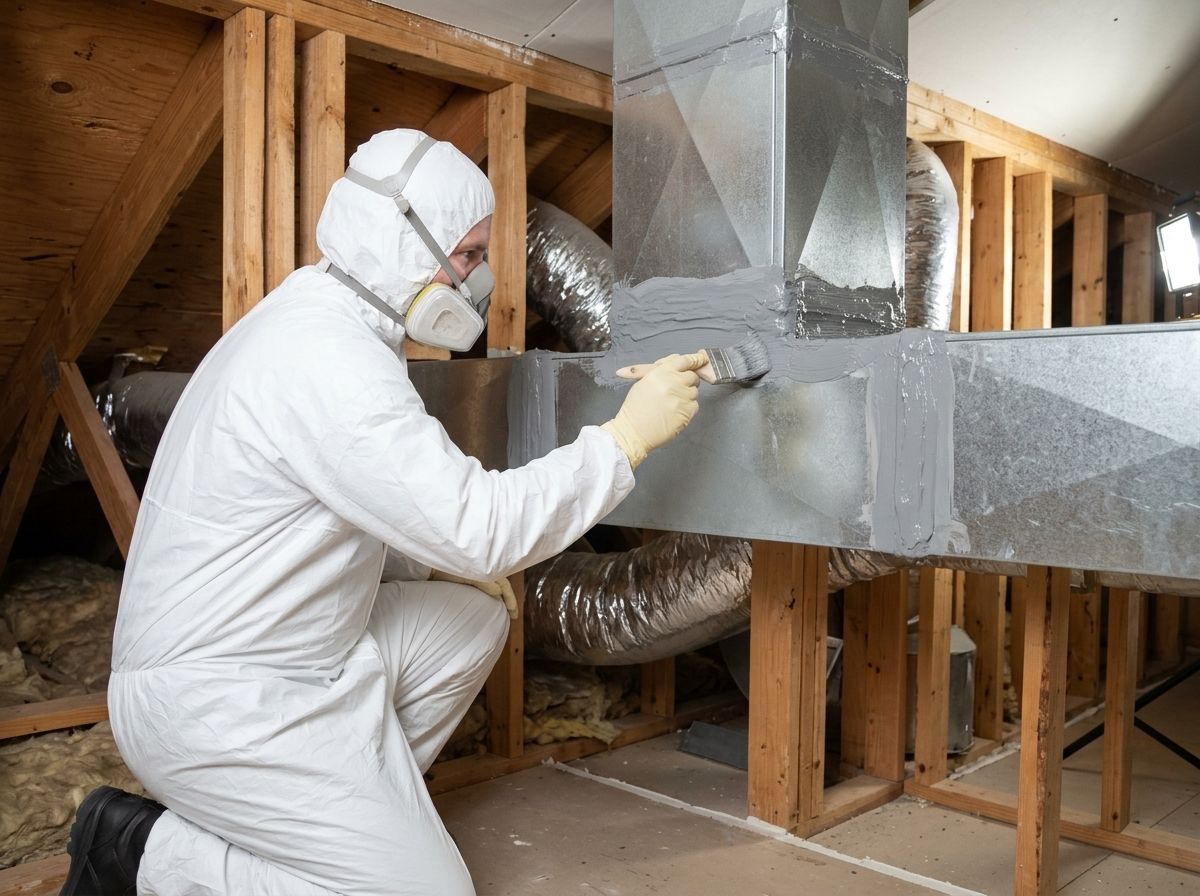
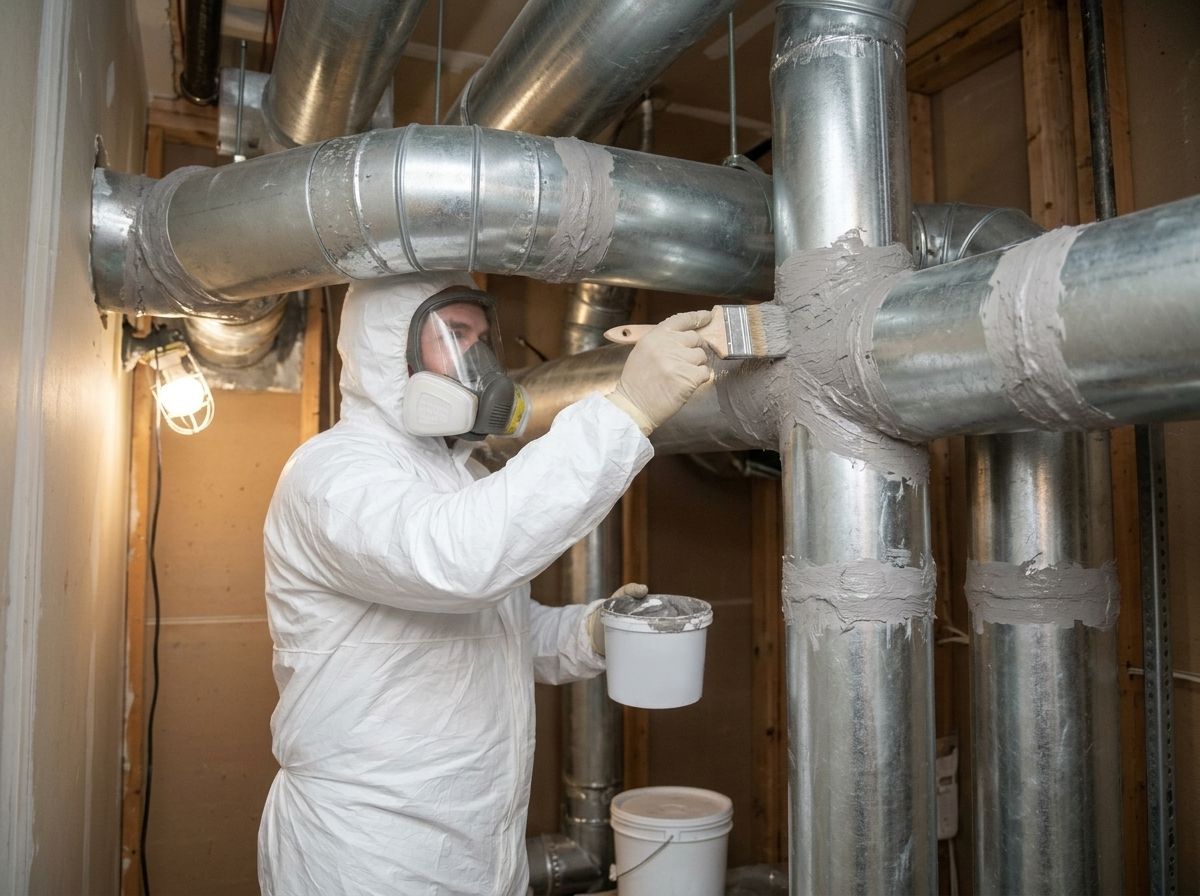
Air leakage sealing around HVAC Duct in a San Angelo property
San Angelo, TX
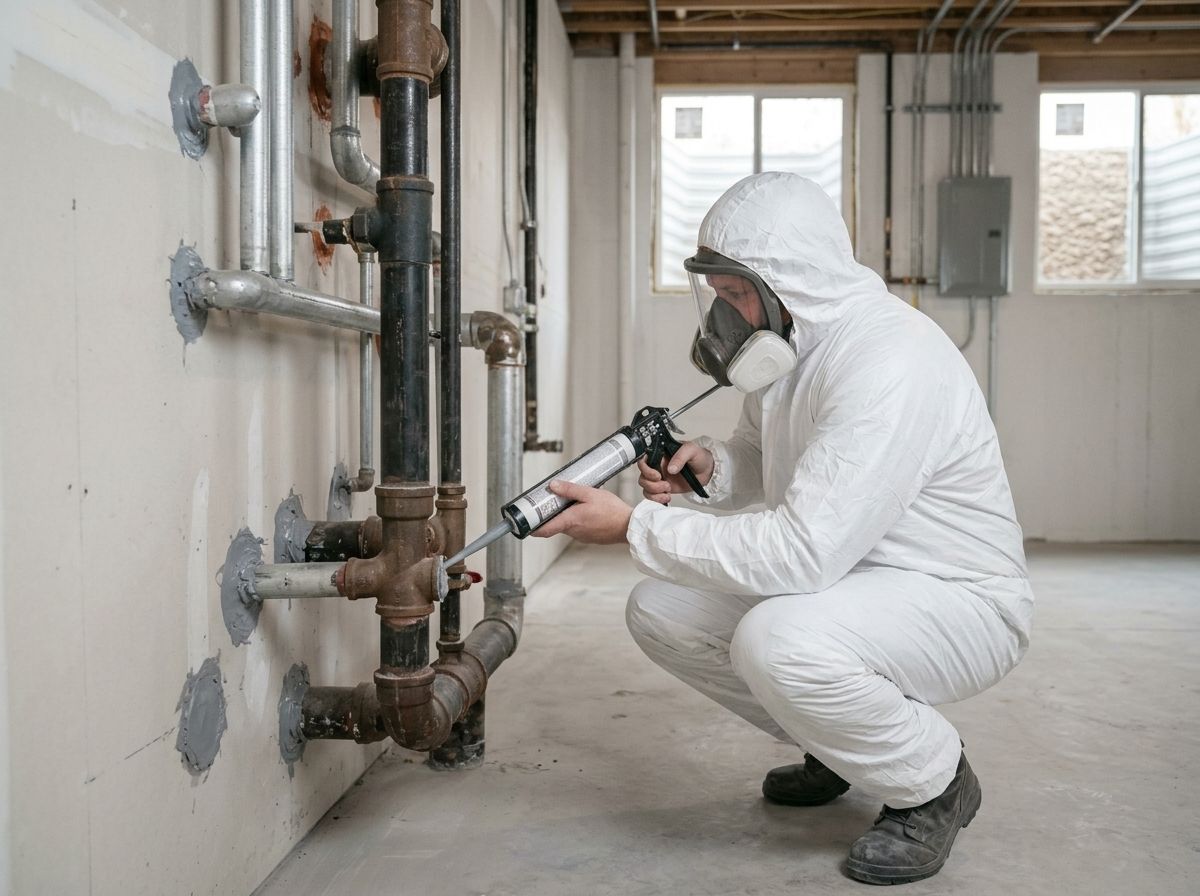
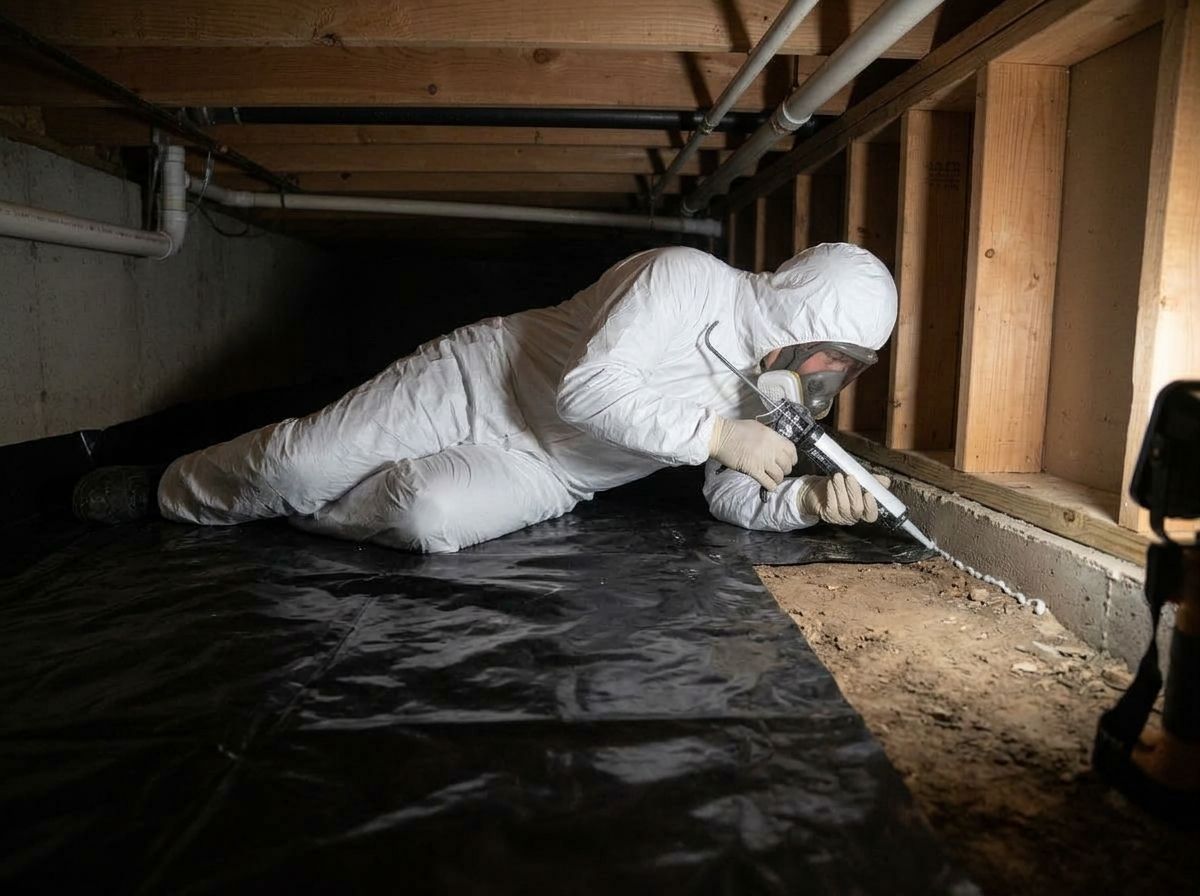
Commercial Office MEP Pipe & Penetration Sealing
San Angelo, TX
Good to Know
Common Air Sealing Questions from San Angelo Homeowners
What is professional air sealing, and how does it work?
Air sealing involves finding and closing gaps in a property's building envelope to limit unwanted air movement. Trained technicians inspect areas such as window and door frames, attic access points, and openings around plumbing or electrical wiring. Depending on the location and material requirements, they may use caulk, weatherstripping, or spray foam. Where appropriate, a blower door test can help assess overall air leakage and identify areas that need further attention.
How much does professional air sealing cost in San Angelo, TX?
The cost depends on the property's size, the number and location of air leaks, accessibility, materials, and whether diagnostic testing is needed. Sealing a few accessible gaps generally requires less work than addressing leakage across multiple rooms or attic areas. Because properties in San Angelo vary in age, construction, and insulation condition, an assessment and written estimate are the best ways to understand the recommended scope and expected cost.
Where do homes commonly lose conditioned air?
Common leakage points include gaps around windows and doors, attic hatches, plumbing penetrations, electrical wiring, and openings where walls meet ceilings or floors. Duct leaks can also waste conditioned air, but duct sealing is a separate service from sealing the building envelope. During an inspection, technicians can identify accessible problem areas and prioritize repairs based on their location, condition, and likely effect on comfort and energy use.
Can air sealing help lower cooling costs during San Angelo summers?
Air sealing may reduce the amount of hot outdoor air entering a home during San Angelo's hot summers, helping limit unnecessary demand on the air conditioning system. It can also reduce drafts and improve comfort in rooms affected by air leakage. Actual energy savings vary with the home's existing airtightness, insulation, cooling equipment, and household habits. The U.S. Department of Energy recommends considering air sealing alongside suitable insulation and ventilation. An assessment can help determine which improvements are appropriate.
Is air sealing safe for homes with existing insulation?
Air sealing can be performed in homes with existing insulation, but technicians should assess the condition of the material and surrounding areas first. They should check for moisture damage, roof leaks, and ventilation concerns before sealing openings. Work around combustion appliances, exhaust systems, and electrical components requires appropriate safety precautions and clearance requirements. Sealing should never block required ventilation openings or interfere with safe equipment operation.
An air sealing assessment helps San Angelo property owners identify where unwanted air movement may be affecting indoor comfort and energy use. The inspection can cover accessible windows, doors, attic access points, and utility penetrations, along with relevant insulation and ventilation conditions. Where necessary, diagnostic testing can provide additional information about the building's overall air leakage. This thorough review helps homeowners and businesses understand which improvements may be worthwhile.
After reviewing the findings, our local service professionals can explain suitable sealing materials, outline any related insulation or repair needs, and prepare an estimate based on the project's scope. Whether you need to seal gaps inside your home or address leakage in a commercial property, recommendations should reflect the building's specific needs rather than assume a universal solution. Depending on the project and eligibility requirements, property owners may also wish to check current federal tax guidance for any applicable energy-efficiency incentives rather than assume air sealing automatically qualifies. To discuss air sealing for your property in San Angelo, TX, contact our team at 325 to ask about arranging an assessment focused on your building's condition, comfort concerns, and insulation goals.