
Ballinger TX Closed Cell Foam Insulation, Blown-In Insulation & Air Sealing Services – Solutions for Hot West Texas Properties
San Angelo Spray Foam Pros helps homeowners, landlords, and business owners in Ballinger, TX, evaluate closed-cell spray foam, blown-in attic insulation, and air sealing for homes, workshops, garages, and commercial buildings.
West Texas summer heat can make poorly insulated spaces difficult to keep comfortable. Call 325-440-5815 to discuss your property and confirm service availability in Ballinger and the specified service areas.
Request a Free Quote
We will get back to you as soon as possible.
Please try again later.
Trusted Spray Foam Insulation Professionals in San Angelo, TX
San Angelo Spray Foam Pros helps homeowners and commercial property owners make informed insulation decisions. We focus on suitable spray foam solutions, careful project evaluation, and professional installation practices designed to improve indoor comfort, reduce unwanted air leakage, and support better energy efficiency.



The Challenge
How Ballinger's Summer Heat Affects Attics, Metal Buildings, and Indoor Comfort
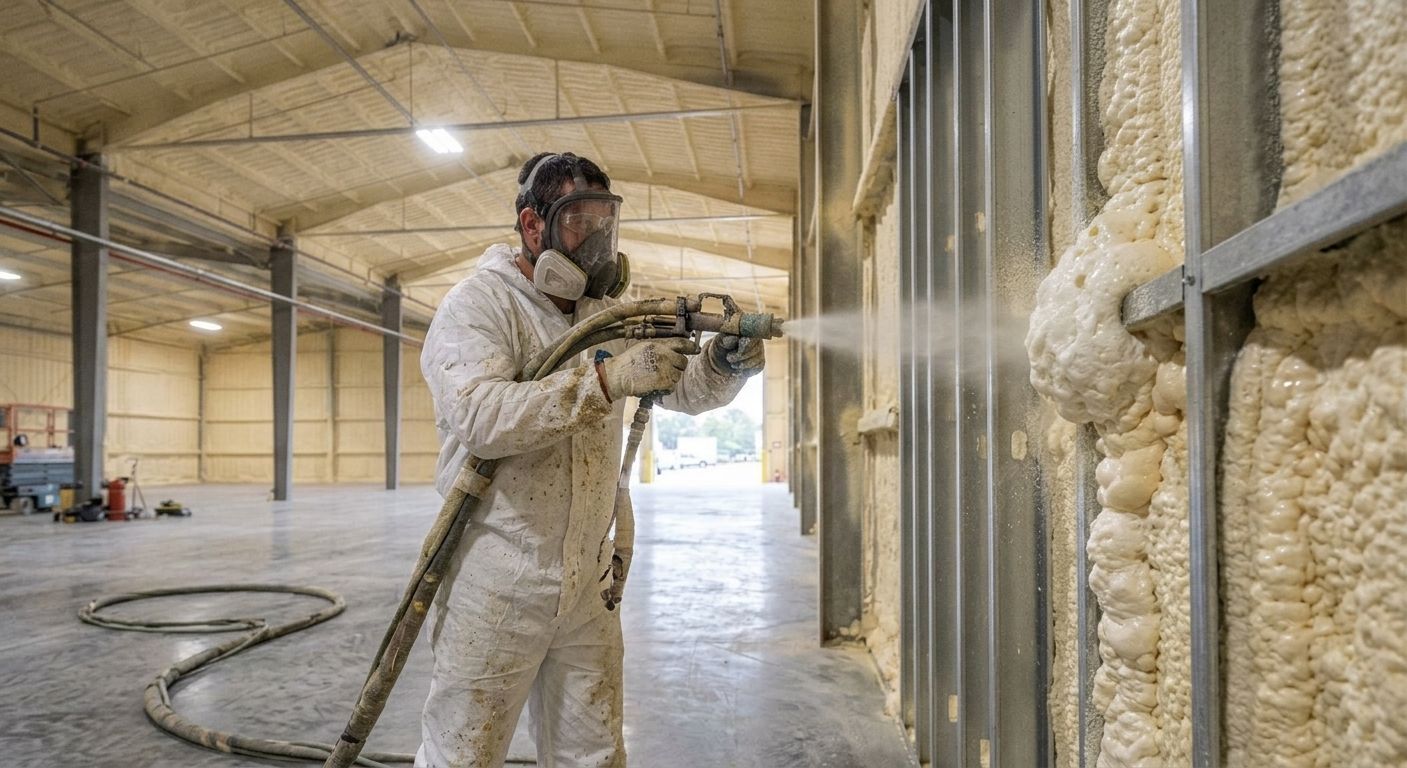
Ballinger lies near the junction of U.S. Highways 67 and 83 and State Highway 158, where residential properties sit alongside buildings used for local businesses and practical work. During hot summer weather, sun-exposed roofs can transfer substantial heat into poorly insulated attics, garages, and workspaces. The impact depends on the roof assembly, insulation coverage, and how the building is used.
In homes, inadequate attic insulation can contribute to hot upper rooms and uneven indoor temperatures. Metal workshops and storage buildings may also become uncomfortable when their roofs and walls provide insufficient thermal resistance. Gaps around exterior doors, framing, utility penetrations, and attic access points can further contribute to unwanted air movement.
The appropriate improvement depends on the source of the problem. Closed-cell spray foam may suit selected rooflines and wall assemblies, blown-in insulation can improve coverage across suitable attic floors, and air sealing addresses unwanted gaps. Evaluating these needs separately helps property owners choose an approach suited to the building rather than relying on one solution for every structure.
other insulation services:
Closed-Cell Spray Foam Insulation for Metal Buildings and Rooflines
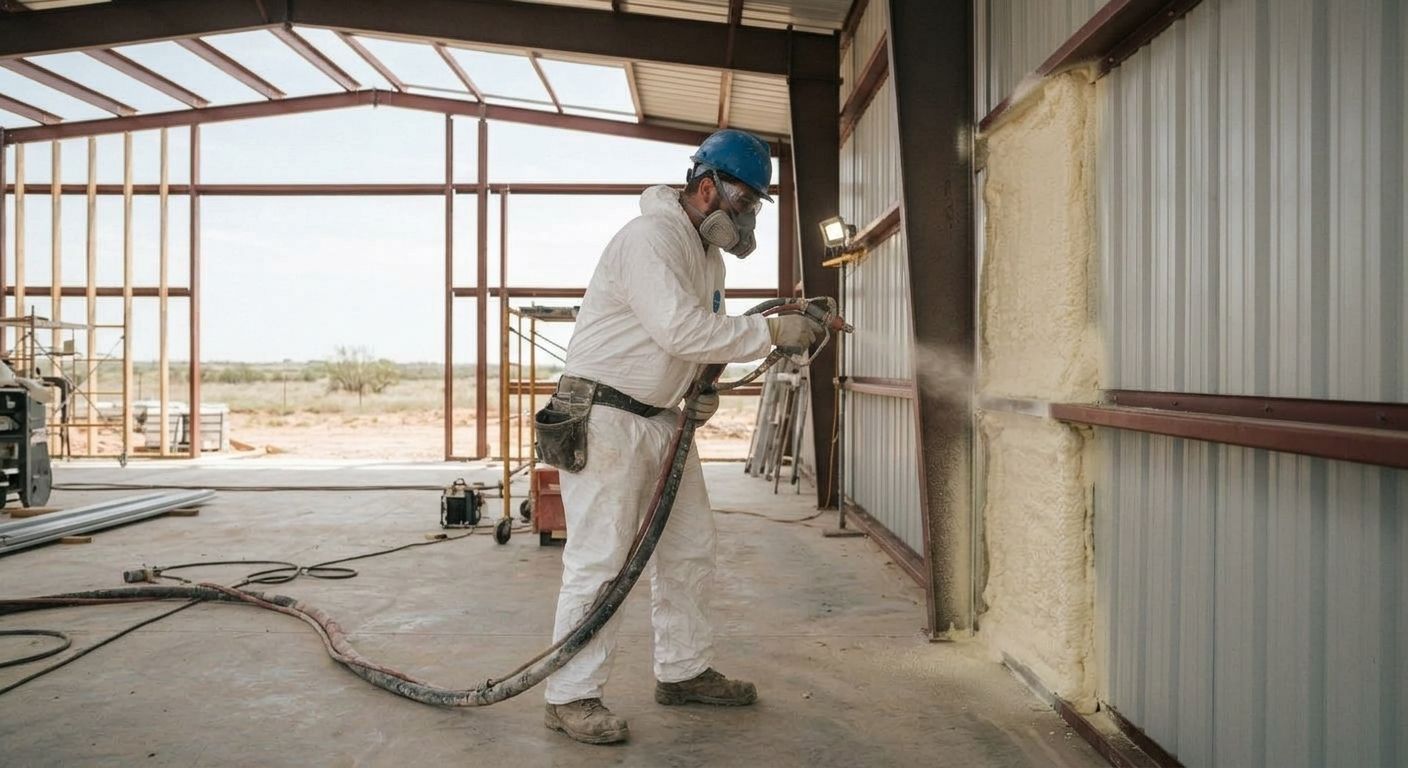
For Ballinger properties with metal workshops, garages, and other buildings exposed to direct sunlight, closed-cell spray foam may be suitable for selected rooflines, walls, and enclosed cavities. Its application depends on the construction and whether the assembly can accommodate the material appropriately.
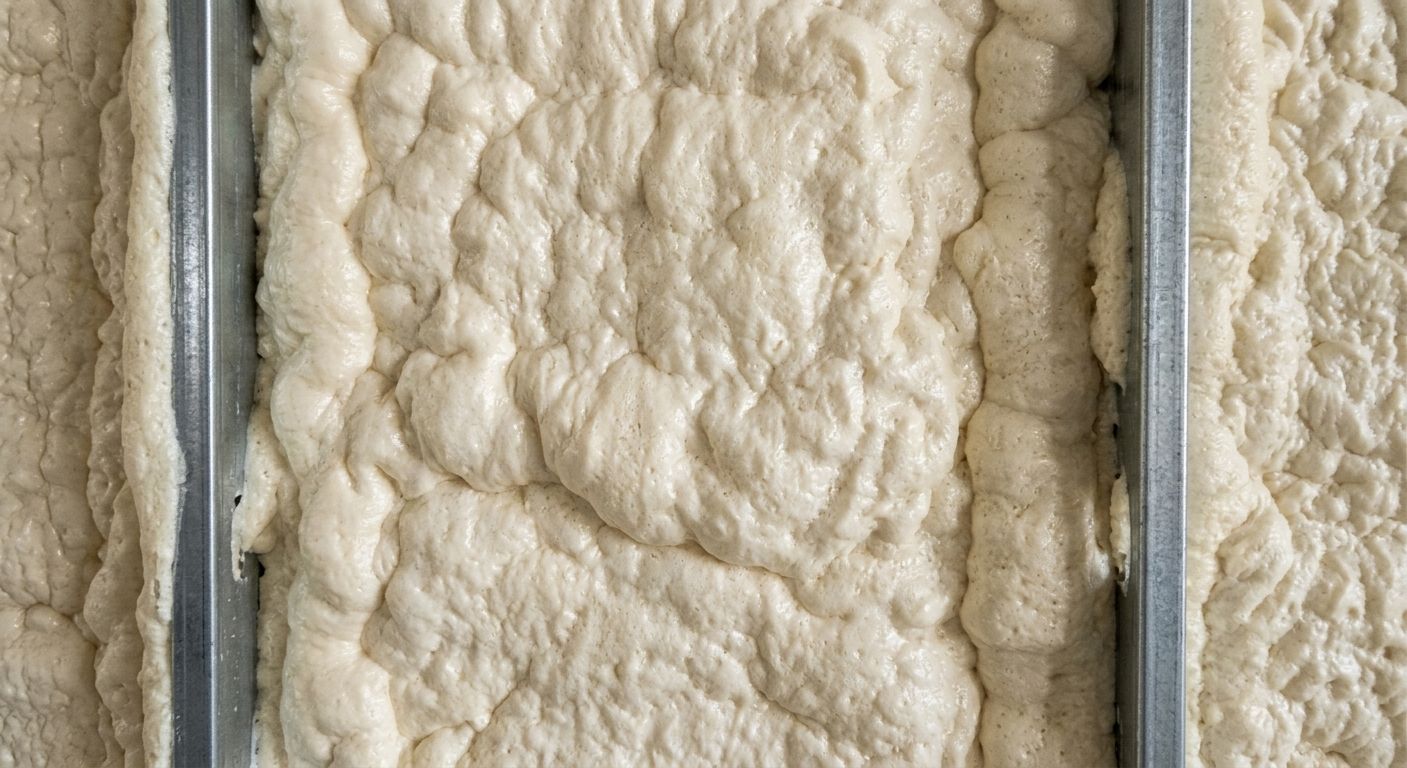
The foam expands and adheres to prepared surfaces, providing insulation and helping limit air leakage. Before installation, the roof or wall assembly should be evaluated for moisture exposure, ventilation requirements, surface condition, and intended use. Metal buildings require particular attention to condensation management because temperature differences can contribute to moisture problems. Proper preparation, professional equipment, and controlled application are important to achieving the intended result.
Where Closed-Cell Foam May Be
Appropriate Closed-cell foam may be considered for suitable metal-building walls, roof assemblies, and enclosed cavities. The building's design and moisture-management needs should determine material selection, rather than assuming the same installation approach works for every structure.
Blown-In Attic Insulation for Ballinger Homes
Blown-in insulation can help when an existing attic has thin, uneven, or missing coverage. In Ballinger homes, adding insulation to a suitable attic floor can slow heat transfer from the roof space into living areas during hot weather without requiring changes to the roof assembly.
Before adding material, the attic should be checked for roof leaks, damp insulation, blocked ventilation pathways, and gaps around utility penetrations. Existing material may also need attention if it has shifted, compressed, or deteriorated. Blown-in insulation improves thermal coverage but does not automatically seal every air leak, so separate air sealing may be appropriate where unwanted airflow remains.
Air Sealing Services for Drafts and Unwanted Air Leakage
Gaps around plumbing, wiring, attic hatches, wall joints, and exterior doors can allow outdoor air to enter homes and conditioned air to escape. In Ballinger houses, workshops, and commercial spaces, these leaks can undermine insulation performance and make indoor temperatures harder to control.
Air sealing involves locating suitable gaps and closing them with materials appropriate for each surface and application. It can complement attic insulation or spray foam installation, depending on the property's condition. Not every opening should be sealed: required ventilation pathways and ventilation systems must continue to function properly. An assessment helps distinguish unwanted leakage from airflow openings that serve an essential purpose.

Cost Guide
What Affects Closed Cell Foam Insulation, Blown-In Insulation, and Air Sealing Cost in Ballinger?
Costs depend on the size of the area, service type, material requirements, accessibility, and surface condition. Insulating a metal-building roofline may require different preparation from adding blown-in insulation to an accessible attic or sealing gaps throughout a home.
Existing insulation removal, necessary repairs, obstructions, and moisture concerns can also affect the scope. An assessment helps establish the likely material quantities and labor involved. Approximate dimensions, building type, and details about comfort problems are useful starting points, although an on-site evaluation may be needed to prepare a more accurate estimate.
Our Advantage
Why Choose San Angelo Spray Foam Pros?
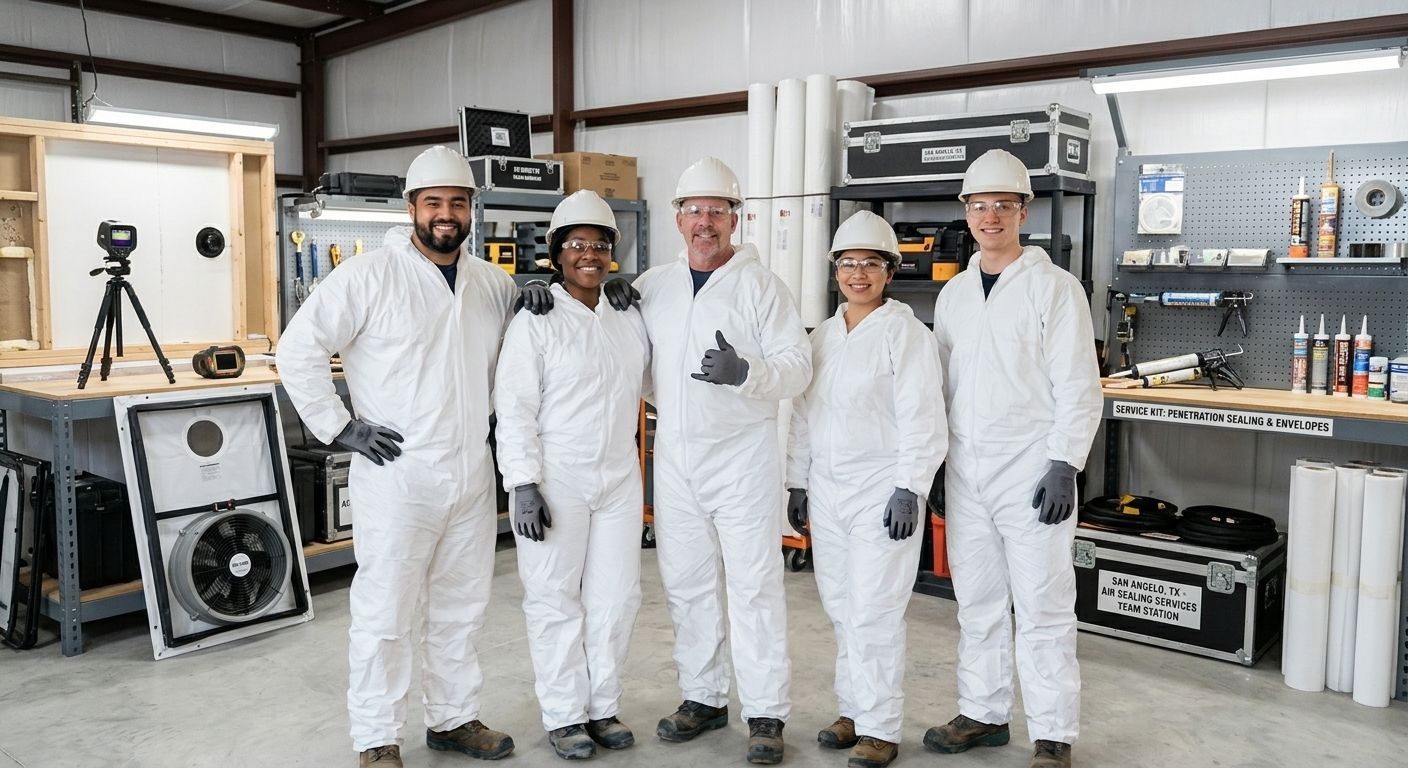
Choosing insulation starts with understanding the structure, its existing materials, and the problems the owner wants to address. San Angelo Spray Foam Pros can discuss roof and wall construction, insulation coverage, air leakage, access limitations, and moisture concerns to help property owners compare appropriate options.
Proper preparation and installation methods matter for each service. Spray foam requires suitable surfaces, appropriate equipment, and controlled application, while blown-in insulation needs consistent coverage without blocking ventilation pathways. Air sealing must preserve necessary airflow. Clear recommendations help customers understand the proposed work before making a decision.
Our Work
Recent Spray Foam Insulation Projects in Grape Creek
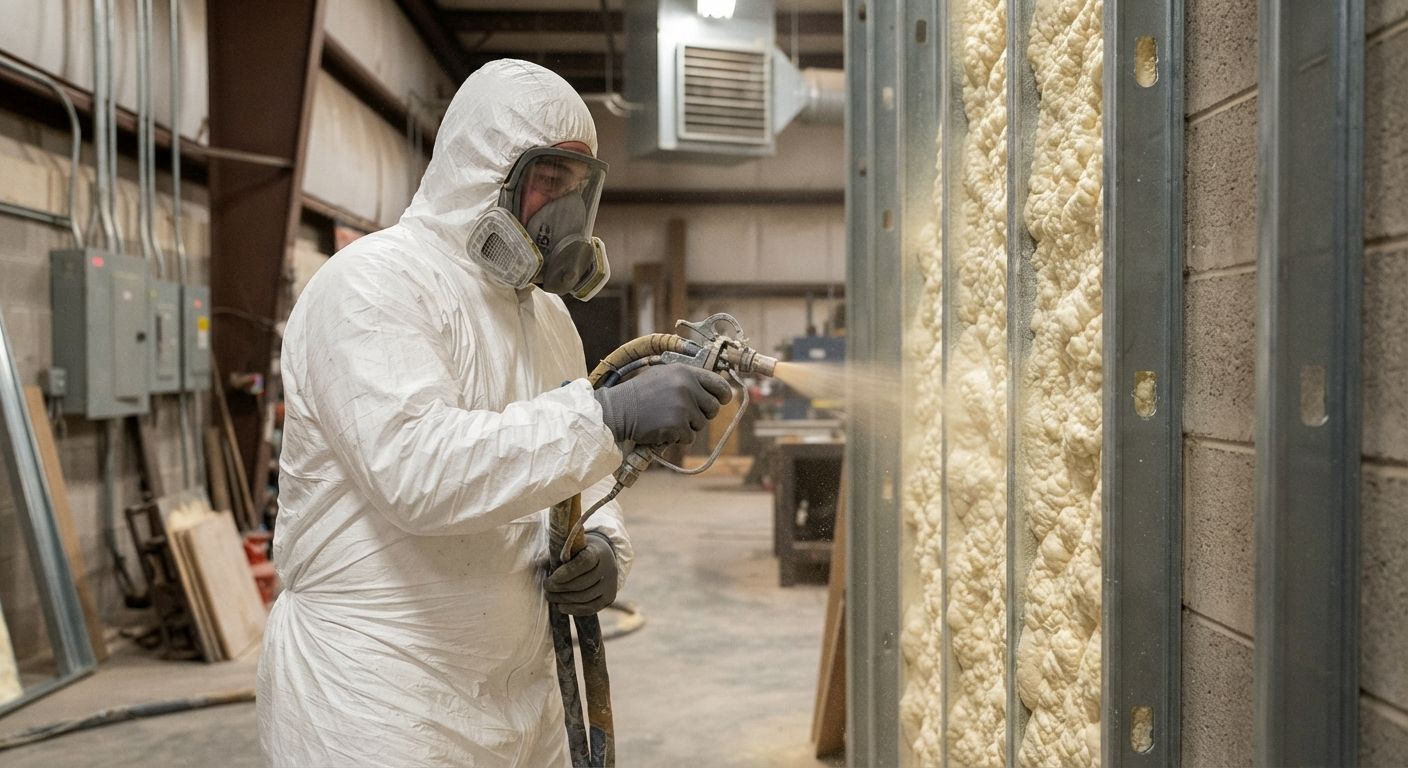
Closed-Cell Foam in a Metal Building
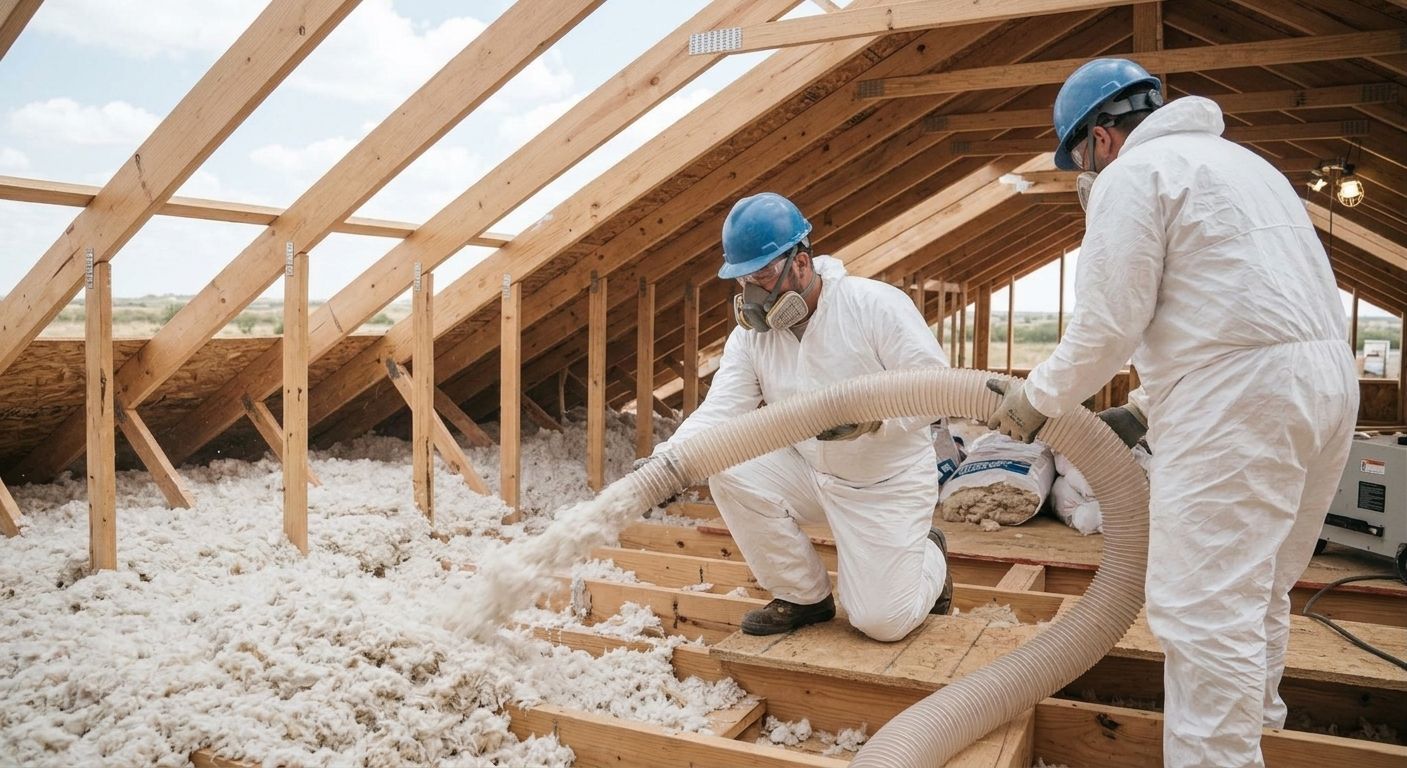
Blown-In Insulation Across an Attic
Sealing Gaps Around Building Penetrations
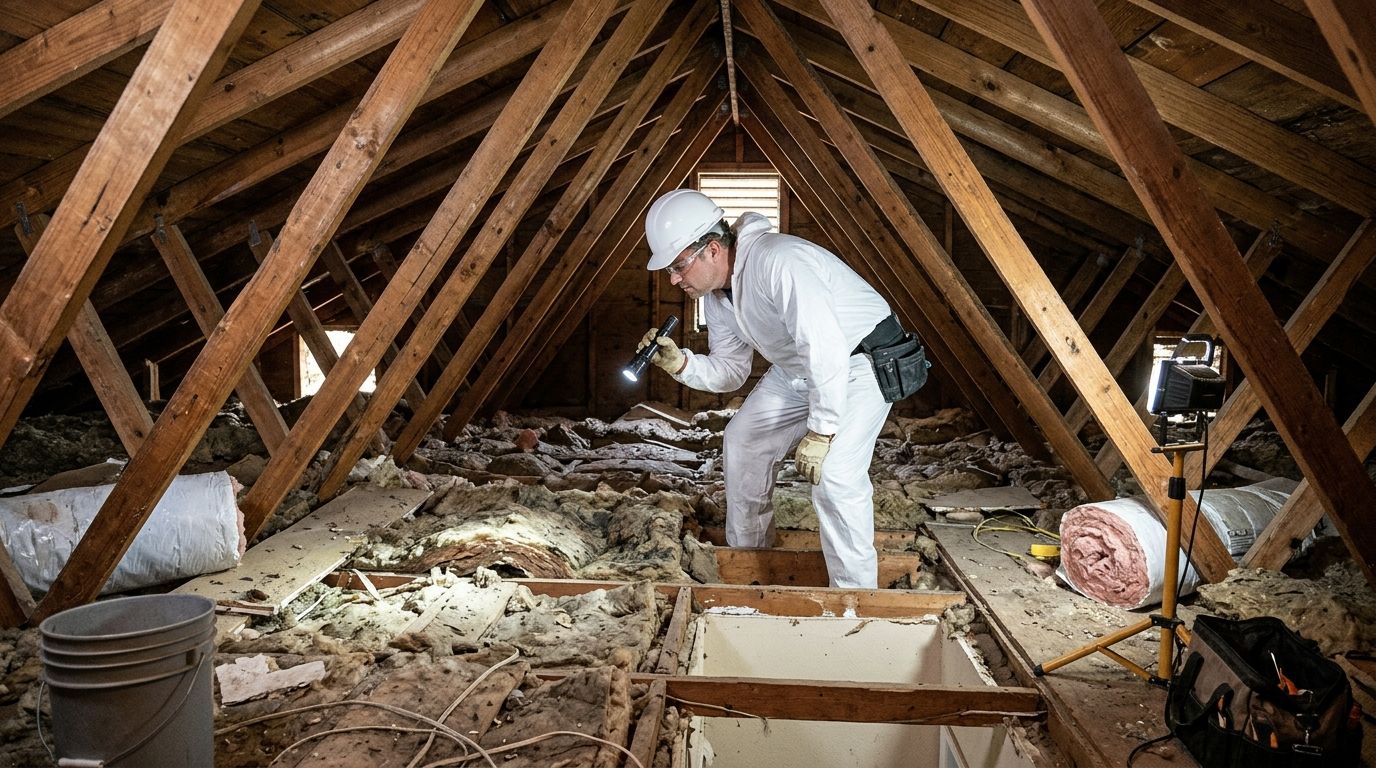
Insulation Assessment in a Residential Attic
Our Coverage
Nearby Service Areas Around Ballinger
Grape Creek
Property owners in Grape Creek can inquire about attic insulation and air sealing for homes, along with suitable insulation applications for garages and other buildings. Where summer heat contributes to uncomfortable interiors, checking insulation coverage and gaps in the building envelope can help identify practical improvements. Service availability should be confirmed before scheduling.
Eldorado
Property owners in Eldorado can ask about insulation options for homes, storage buildings, and other structures. Accessibility, building use, ventilation, and moisture exposure all influence material selection and installation planning. Confirm service availability and scheduling before arranging a project.
Good to Know
Frequently Asked Questions About Insulation Services in Ballinger
Is closed-cell spray foam suitable for a metal building in Ballinger?
It may suit certain metal-building walls and roof assemblies where heat transfer and air leakage are concerns. The building's design, moisture-management needs, surface condition, and intended use should be evaluated before selecting the material.
Can blown-in insulation help with hot rooms during Ballinger summers?
Adequate attic insulation can slow heat transfer from the roof space into living areas. Its effectiveness depends on existing coverage, air leakage, ventilation, roof construction, and the home's cooling system. An attic assessment can help identify possible improvements.
Should I choose spray foam or blown-in attic insulation?
The right option depends on the application. Blown-in insulation is commonly considered for suitable attic floors, while spray foam may be appropriate for selected rooflines, walls, or enclosed cavities. Access, moisture conditions, and the building assembly should guide the decision.
Will air sealing eliminate every draft in my home?
Air sealing can reduce airflow through identified gaps, but drafts may also result from poorly fitted doors or windows, ventilation systems, or other building issues. An assessment can help locate likely leakage paths and identify appropriate corrective work.
What should Ballinger property owners check before insulating a workshop or metal building?
Check the roof and wall construction, existing insulation, gaps around doors and utility penetrations, and signs of condensation or moisture damage. These conditions help determine whether closed-cell foam, air sealing, or another insulation approach is appropriate.