
Metal Building Insulation in San Angelo, TX
Metal building insulation services in San Angelo, TX, help property owners manage indoor temperatures, reduce unwanted heat transfer, and address condensation concerns. San Angelo's hot summers can make uninsulated metal walls and roofs uncomfortable, while unmanaged moisture can contribute to rust and material damage.
San Angelo Spray Foam Pros evaluates each steel building's construction, existing materials, ventilation, and intended use to identify suitable options. Systems may include spray foam insulation, fiberglass, and reflective barriers, depending on the building envelope and performance requirements.
Request a Free Quote
We will get back to you as soon as possible.
Please try again later.
Explore Our Professional Insulation Services
Professional Metal Building Insulation in San Angelo, TX
Metal buildings can absorb and transfer significant heat, making indoor temperature control a challenge during San Angelo's hot summers. Our metal building insulation solutions may include closed-cell spray foam, fiberglass, rigid foam boards, or reflective barriers, depending on the structure. Proper material selection can help reduce heat transfer, manage condensation risks, and create a more comfortable indoor environment.
other insulation services:
Closed Cell Foam Insulation
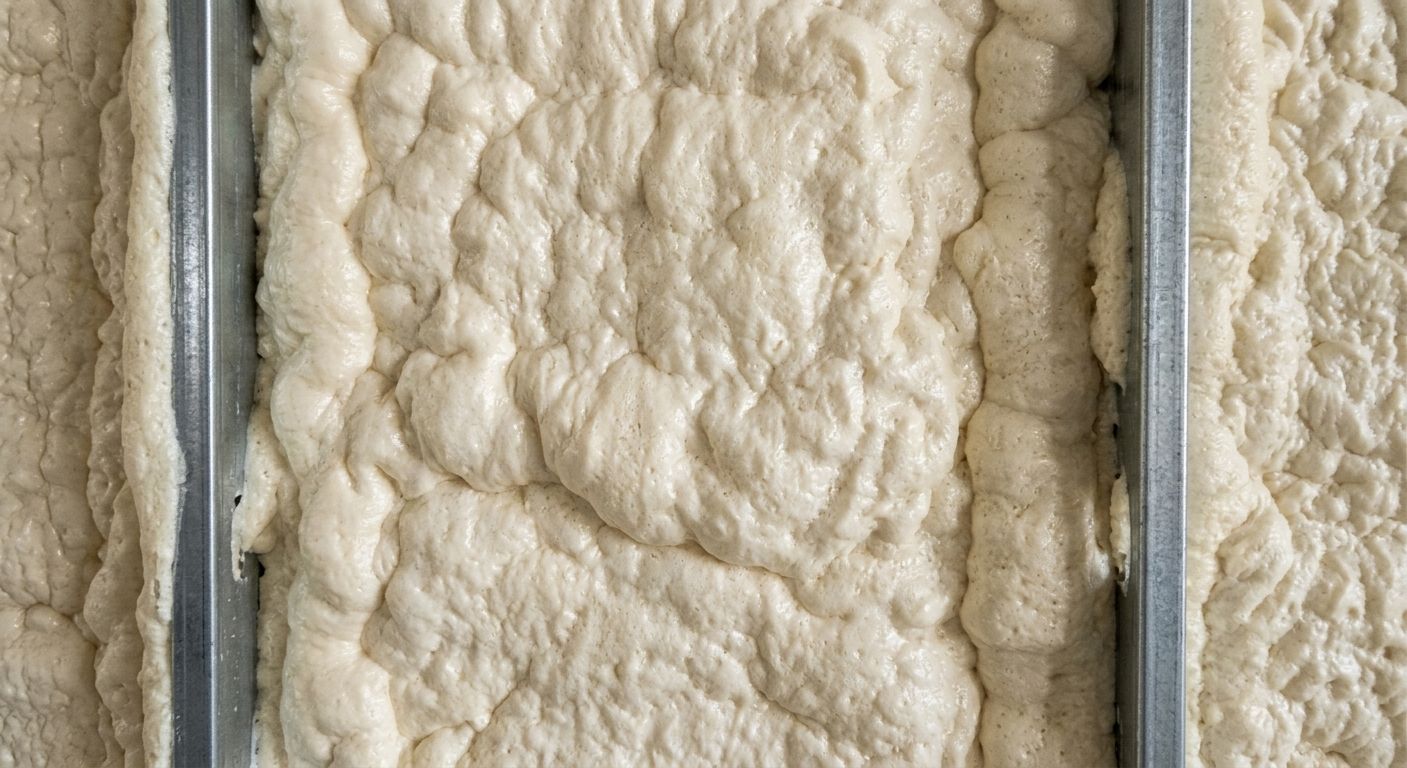
Reduce heat transfer and unwanted air leakage with dense spray foam that provides approximately R-6 to R-7 per inch, depending on the product.
Attic Insulation
Help reduce heat transfer through your attic and maintain more consistent indoor temperatures during San Angelo's hot summers.
Open Cell Foam Insulation
Fill suitable wall and roof cavities with expanding foam that helps reduce air leakage and provides sound-dampening benefits.
Blown-In Insulation
Add even thermal coverage to compatible attic spaces using professionally installed loose-fill fiberglass or cellulose insulation.
Air Sealing Services
Seal unwanted gaps around openings, pipes, and building connections to reduce uncontrolled airflow and improve indoor comfort.
Built for Metal
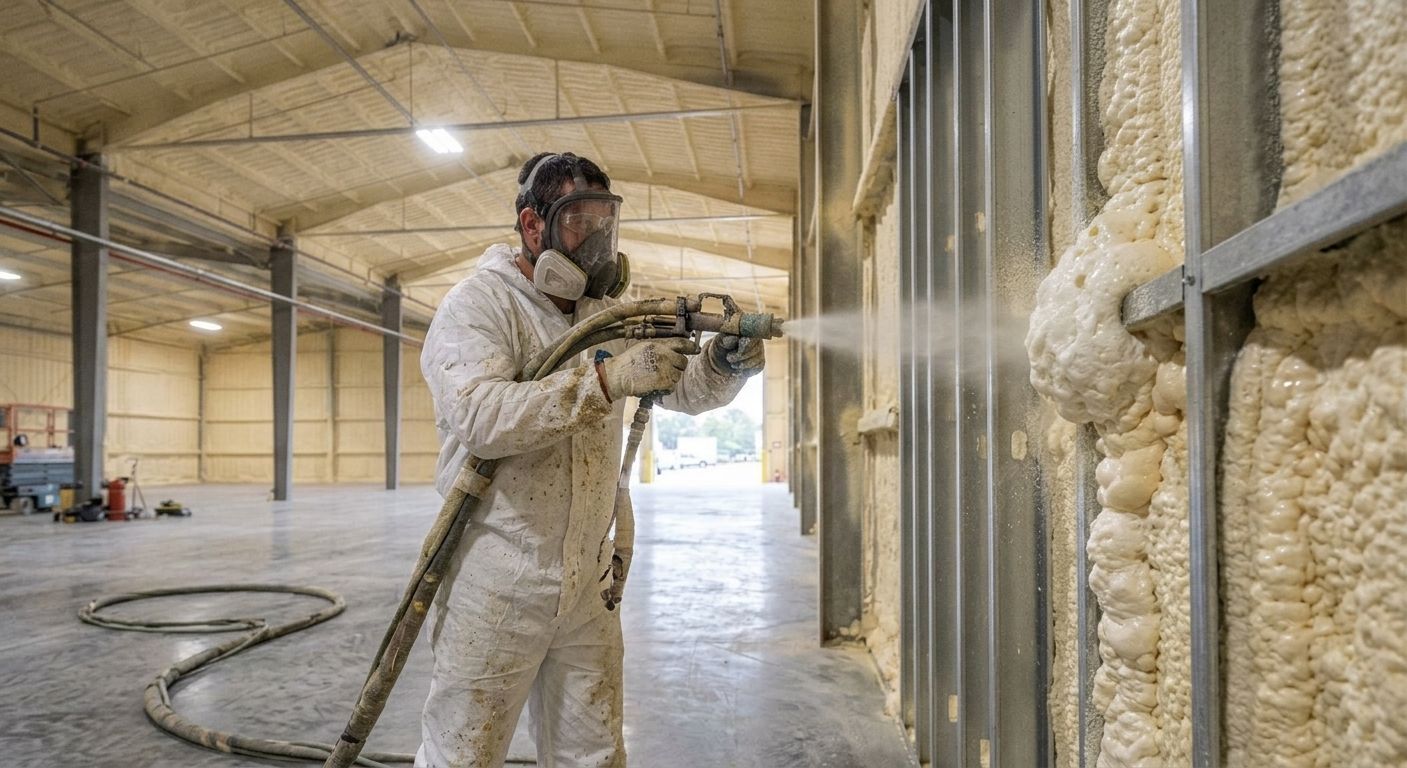
Insulation Solutions for Metal Buildings in San Angelo
Older homes and commercial buildings in San Angelo may have aging or insufficient insulation that no longer provides adequate thermal performance. During an assessment, technicians look for gaps, compressed or deteriorated materials, and air leaks in attics, crawl spaces, walls, and other parts of the building envelope. These issues can allow conditioned air to escape and outdoor heat to enter, contributing to higher utility bills and inconsistent indoor temperatures during West Texas summers.
Moisture intrusion can also affect fiberglass insulation and cellulose, particularly where roof leaks, plumbing problems, or inadequate ventilation are present. Wet or contaminated materials may lose effectiveness and require professional evaluation or replacement. Spray foam is a versatile insulation product that can help seal certain leakage pathways and, when correctly selected and installed, limit air and moisture movement through specific parts of a building assembly. However, it does not replace necessary repairs, drainage improvements, or appropriate ventilation. Addressing these issues based on the property's condition can improve comfort and help maintain insulation performance over time.
Beat the Heat
Common Temperature and Condensation Problems in Metal Buildings
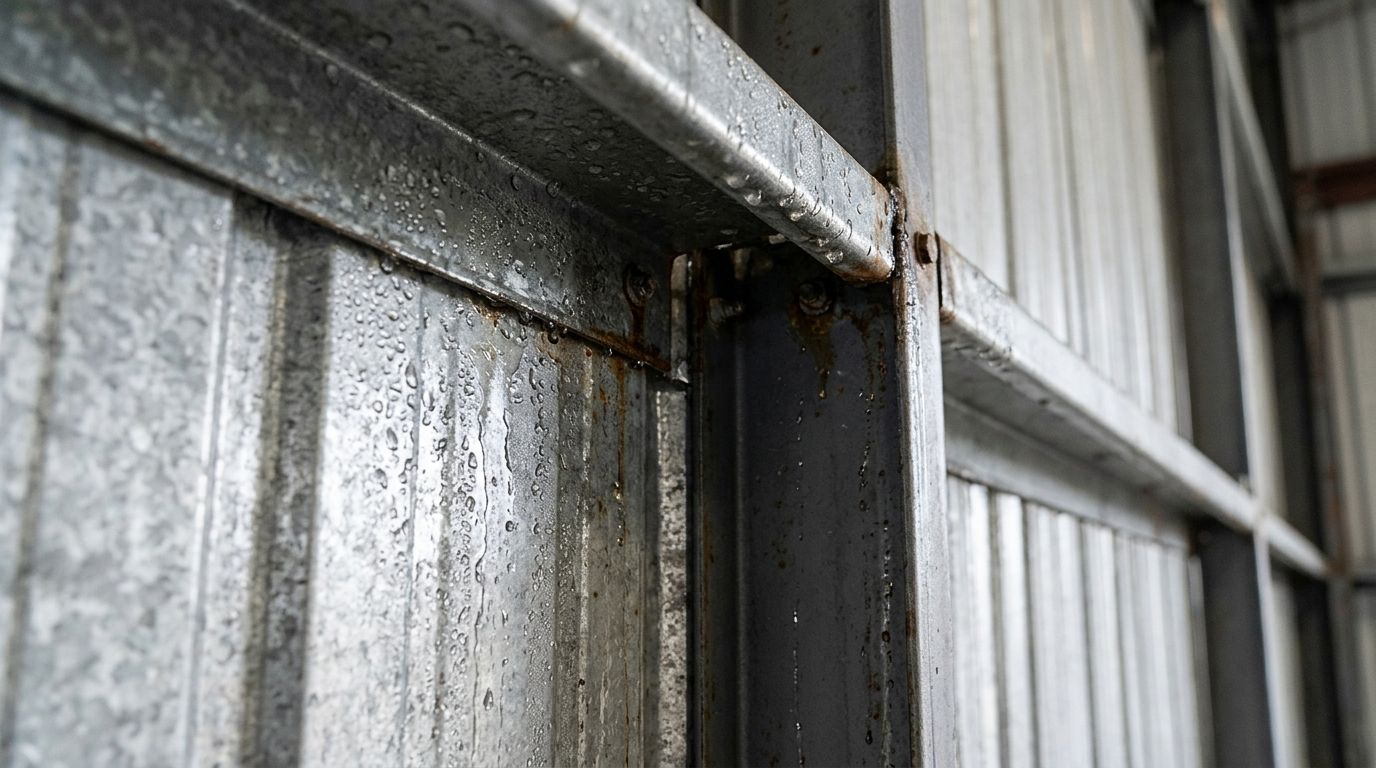
Metal conducts heat more readily than many conventional building materials, so uninsulated walls and roofs can contribute to rapid indoor temperature changes. In San Angelo, TX, solar heat gain through metal roofing can raise indoor temperatures during summer and increase cooling demand. During cooler conditions, condensation may form when warm, moist air contacts cold metal surfaces. Repeated moisture exposure can cause water to drip from panels, contribute to rust, and damage interior materials over time.
Air leakage around panel joints, fasteners, openings, and building connections can further affect temperature control and moisture movement. Insulation, air sealing, and ventilation address different parts of the problem. Thermal materials slow heat transfer, while sealing air gaps reduces uncontrolled airflow. Appropriate moisture management also helps prevent condensation. Vapor retarders or a vapor barrier may be suitable in certain types of assemblies, depending on indoor humidity, climate, and construction details. The right combination depends on the building's use and the design of its roof and wall assemblies.
Our Process
Our Metal Building Insulation Installation Process
1
Building Assessment and Material Selection
Every structure has different framing details, panel configurations, and performance requirements. Installation begins with an assessment of the building's construction, existing materials, visible air leakage, ventilation, and signs of moisture accumulation. These findings guide the choice of insulation material, including whether spray foam, fiberglass, or another system works for R-panel, U-panel, or other metal construction.
2
Surface Preparation and Insulation Installation
After material selection, the installation area is prepared according to the system's requirements. Surface preparation may include checking for moisture, addressing roof leaks, removing unsuitable loose material, and confirming that metal surfaces are appropriate for application. Materials are installed with attention to coverage, foam thickness where applicable, fit, and gaps around framing or penetrations. Where closed cell spray foam is suitable, trained technicians can apply it directly onto the metal when permitted by the specified system, following product instructions and safety precautions to support proper adhesion and curing.
3
Final Inspection and Quality Review
The final inspection focuses on visible coverage, installation consistency, and accessible gaps or deficiencies. Technicians also consider ventilation and moisture-management requirements relevant to the assembly. These checks help confirm that the installation follows applicable product instructions and local code requirements, although actual performance depends on material selection, installation conditions, and ongoing maintenance.
Cost Guide
Metal Building Insulation Cost Factors
Several factors influence project costs, including insulation type, required thickness, surface conditions, accessibility, and the complexity of the building assembly. These details affect the amount of material and labor needed.
Different products have different price ranges, and published estimates may not include the same preparation, equipment, or installation requirements. Spray foam, fiberglass, and rigid foam board should be compared according to the project scope and required performance rather than material price alone. Labor also varies with roof height, framing layout, existing materials, and preparation needs. Some systems are more challenging to install around complex framing or metal panel connections.
Building size and configuration influence material quantities and installation time. In San Angelo, local weather conditions and the property's intended use help determine appropriate thermal performance. The R-value measures resistance to heat flow, and a higher R-value per inch can provide greater thermal resistance within limited space. The suitable rating depends on the material and building requirements, which may affect the overall budget.
Additional expenses may include surface preparation, air sealing, vapor-control materials, ventilation adjustments, equipment access, and removal of existing products. An itemized estimate based on an on-site assessment provides a more useful basis for budgeting than a general price per square foot.
Our Advantage
Why Choose Our Metal Building Insulation Team
Foam insulation can serve different purposes in residential and commercial buildings, depending on the structure and its requirements. In homes experiencing inconsistent indoor temperatures, a properly designed upgrade may help reduce air leakage and improve thermal control. Residential spray foam insulation can be considered for suitable attics, walls, and other areas where improved coverage and air sealing may be beneficial. Commercial properties may benefit from appropriate systems that help manage indoor temperatures and reduce unnecessary heating and cooling demand.
Agricultural buildings, workshops, and warehouses also require project-specific planning because their occupancy, equipment, ventilation, and temperature-control needs can differ considerably. The appropriate choice between open-cell and closed-cell materials depends on the structure, surface conditions, moisture levels, and intended use. Some projects may require insulation near the foundation or in crawl spaces, while others may focus on roof assemblies or metal walls. Any project description should reflect work actually completed and documented by the business. For each property, a careful assessment and installation plan help align the system with the building's requirements.
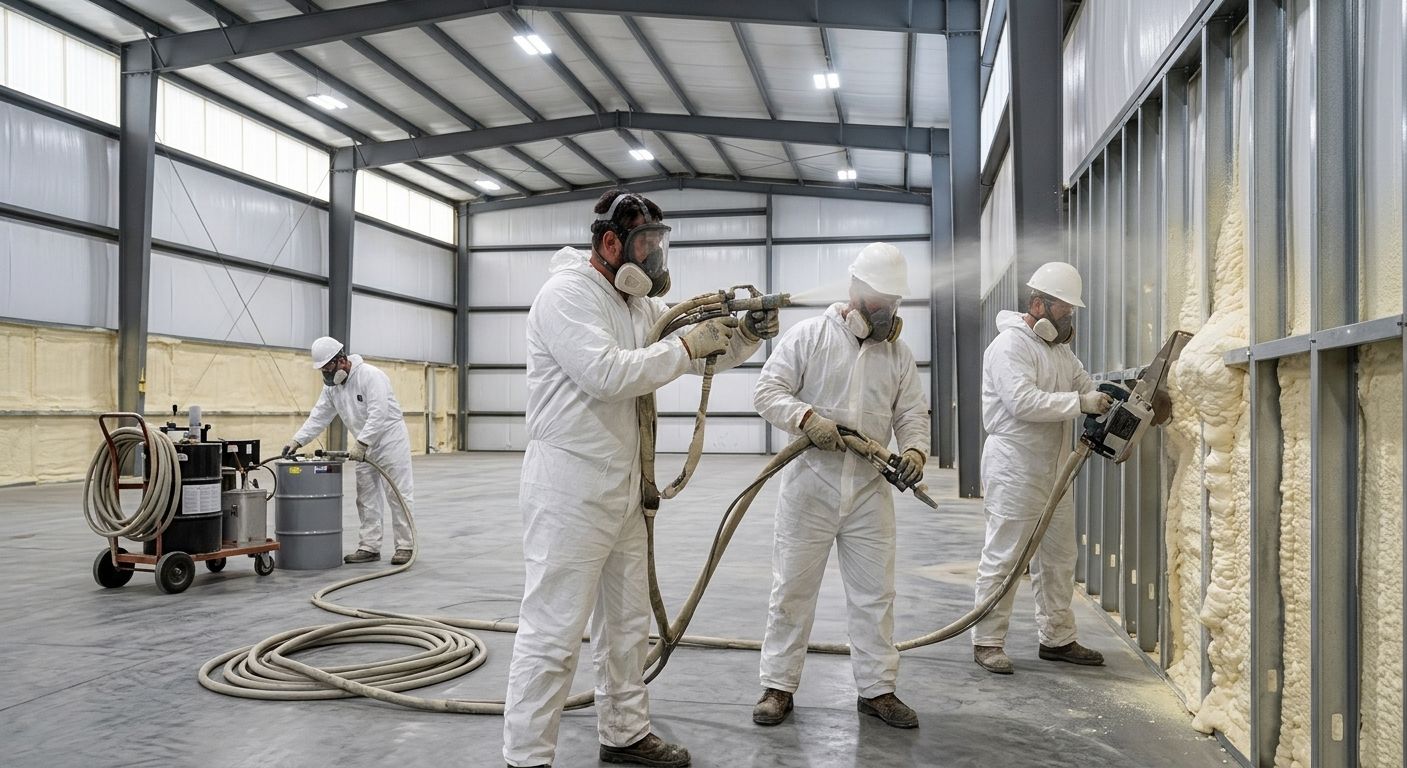
Our Work
Metal Building Insulation Projects in San Angelo
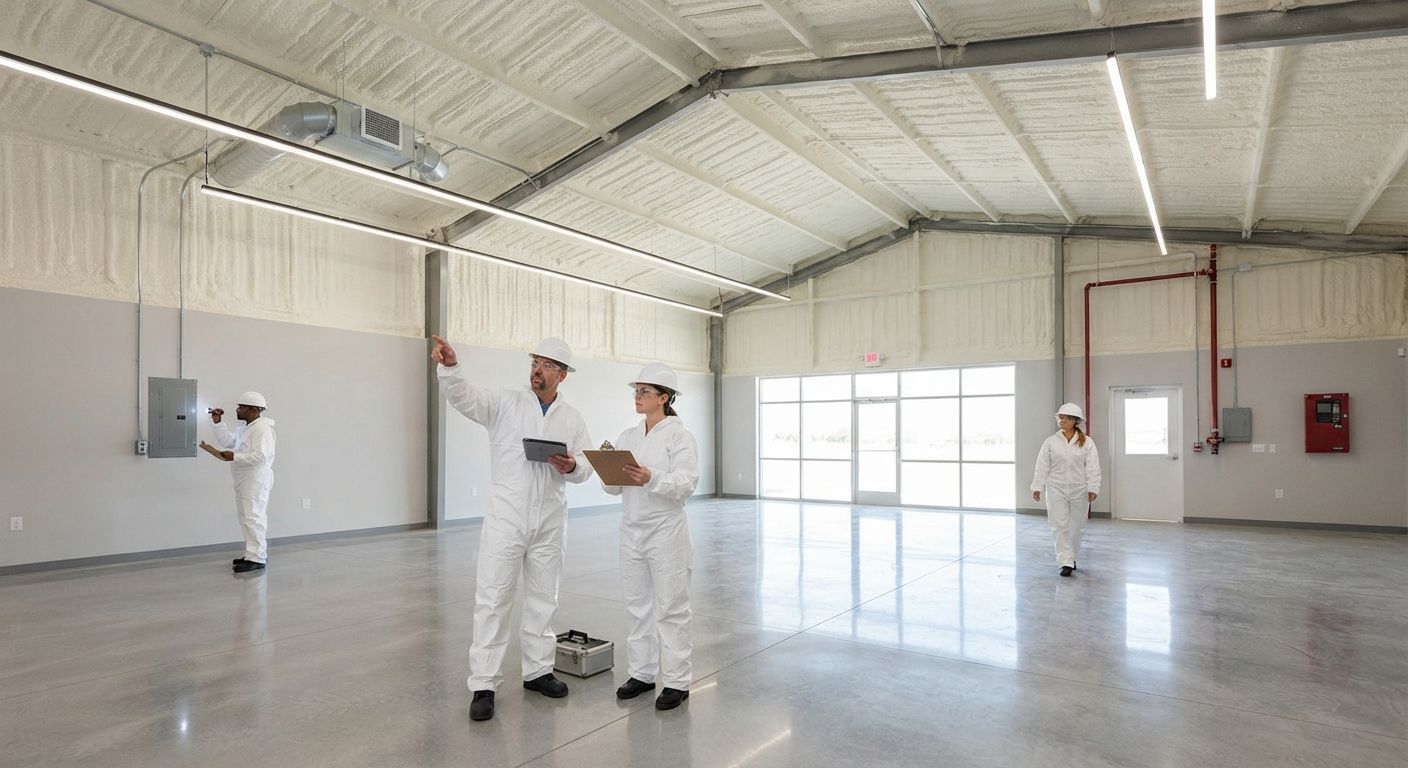
Projects across San Angelo include workshops, metal garages, warehouses, agricultural structures, and commercial buildings. Each property requires an assessment of its size, construction, existing materials, and intended use to determine whether spray foam, fiberglass batts, or rigid foam board is suitable. A hay barn or equipment shed may need a different approach depending on its use, ventilation, and moisture exposure.
Proper installation also considers air leakage, condensation, ventilation, and surface conditions. Our technicians evaluate walls and roofs to recommend a suitable system, helping property owners manage summer heat, maintain more consistent indoor temperatures, and address moisture concerns. The assessment also considers how the selected materials affect the building envelope and whether additional air sealing or vapor control is needed to protect indoor air quality and reduce unwanted heat and cold transfer.
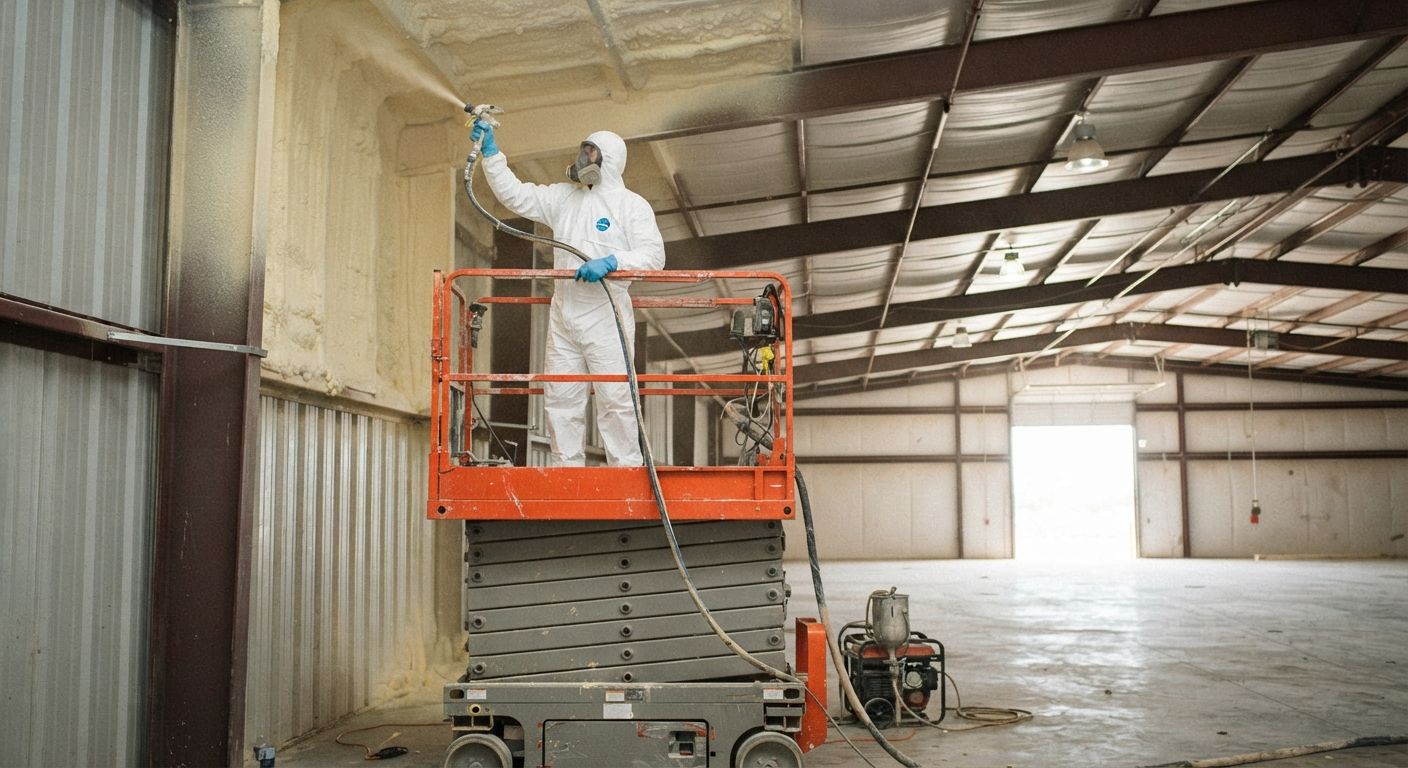
Commercial Warehouse
San Angelo, TX
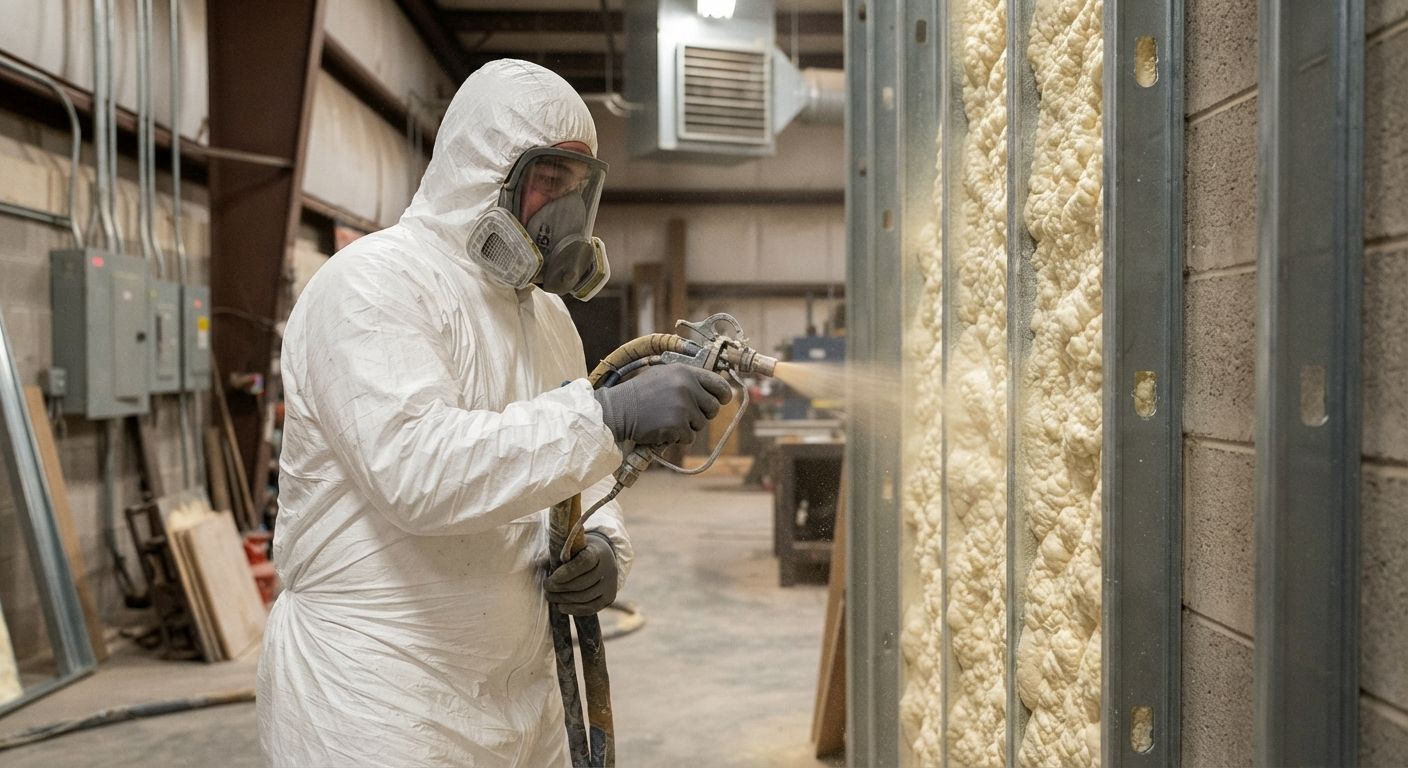
Industrial Shop
San Angelo, TX
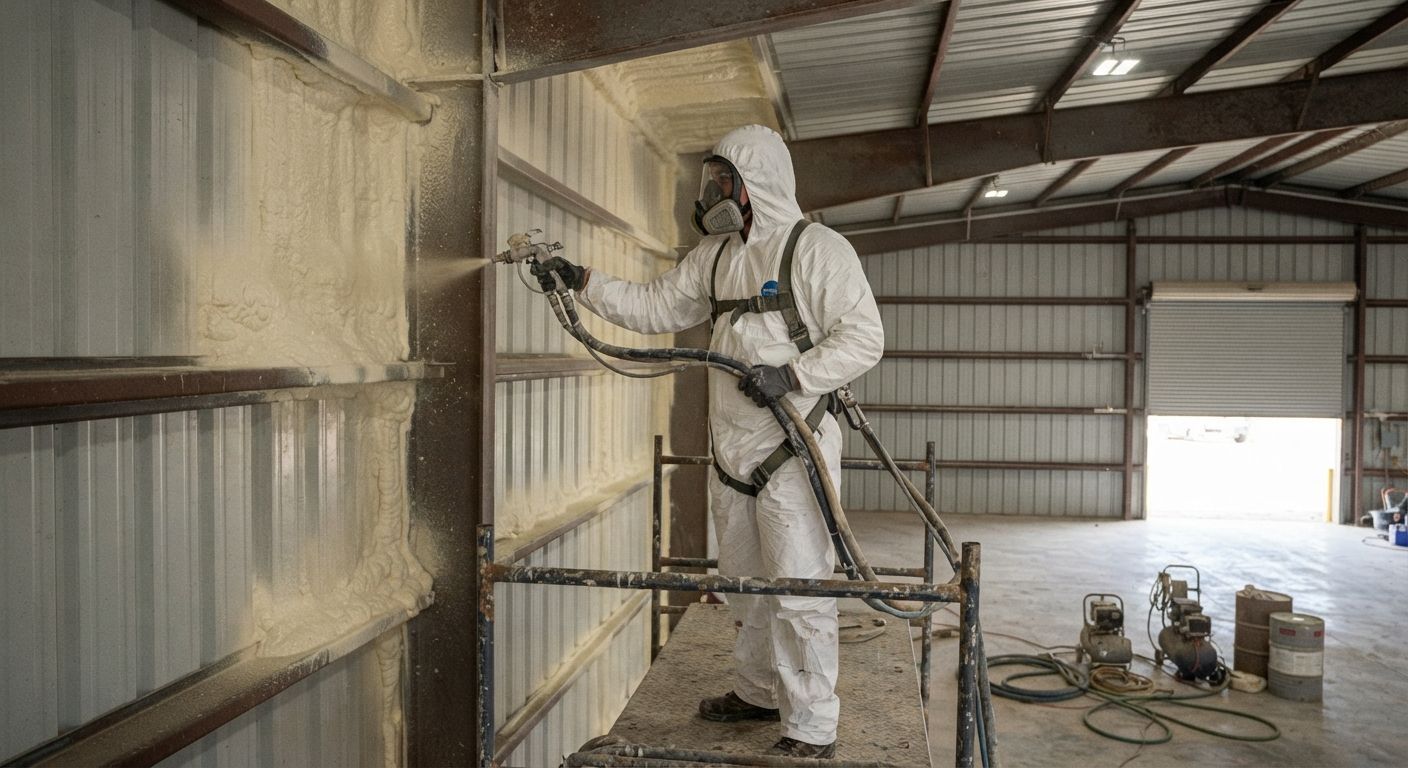
Agricultural Building
San Angelo, TX
Retail Space
San Angelo, TX
Good to Know
Common Metal Building Insulation Questions in San Angelo
What is the best insulation for a metal building in San Angelo, TX?
The best insulation for metal buildings depends on the structure's construction, intended use, and moisture-control needs. Closed cell spray foam provides strong thermal resistance per inch and can help reduce air leakage when properly installed. Fiberglass and rigid foam board may also suit certain assemblies. A professional assessment of roof panels, wall framing, ventilation, and condensation risks helps determine the most appropriate solution for local weather conditions.
How much does metal building insulation cost?
The cost depends on the building's size, selected insulation material, required thickness, accessibility, and preparation work. Spray foam, fiberglass, and rigid foam board have different installation requirements. Existing material removal, air sealing, and moisture-related repairs may add to the project scope. An on-site assessment and itemized estimate help clarify the materials, labor, and additional work needed for your property.
Can insulation help keep a metal shop cooler during San Angelo summers?
Yes. Properly installed thermal materials slow heat transfer through metal walls and roofs, helping reduce indoor temperature fluctuations during hot Texas summers. Spray foam, fiberglass, and rigid foam board provide thermal resistance, while reflective barriers can reduce radiant heat transfer when installed correctly. Air sealing and suitable ventilation may also improve comfort, depending on the building's design and cooling system.
Which insulation works best for metal building roofs and walls?
Spray foam handles irregular surfaces and can create a continuous insulating layer around suitable gaps and connections. Closed cell foam may be appropriate when higher thermal resistance and moisture resistance are needed. Fiberglass works well in compatible framed cavities, while rigid foam boards suit selected assemblies. Reflective barriers may help reduce radiant heat transfer when installed with the required air space. Technicians should evaluate panel profiles, surface conditions, ventilation, and moisture risks before selecting a system.
Can an existing metal building be insulated after construction?
Yes. Many existing structures can be insulated through a retrofit using spray foam, fiberglass, rigid foam boards, or compatible insulation panels. Before installation, technicians should inspect accessible surfaces for corrosion, moisture, air leaks, and existing material problems. Evaluating ventilation and the roof and wall assemblies helps determine a suitable approach while reducing the risk of trapping moisture. The selected system should be compatible with the structure and applicable code requirements.
An estimate begins with an assessment of the building's layout, current conditions, and performance goals. For property owners in San Angelo, this may include discussing how the space is used, identifying temperature-control concerns, and reviewing any history of condensation or moisture accumulation. The inspection can cover accessible roof and wall assemblies, existing materials, ventilation points, and potential air leakage areas.
San Angelo Spray Foam Pros can discuss suitable materials, preparation requirements, installation stages, and factors that may affect the project timeline. Recommendations depend on the building's condition, material compatibility, and required thermal performance. An itemized estimate helps clarify the proposed scope of work, material choices, and any additional preparation or moisture-management measures identified during the assessment. Contact San Angelo Spray Foam Pros to discuss your project and arrange an assessment for your property.