
Closed Cell Foam Insulation in San Angelo, TX
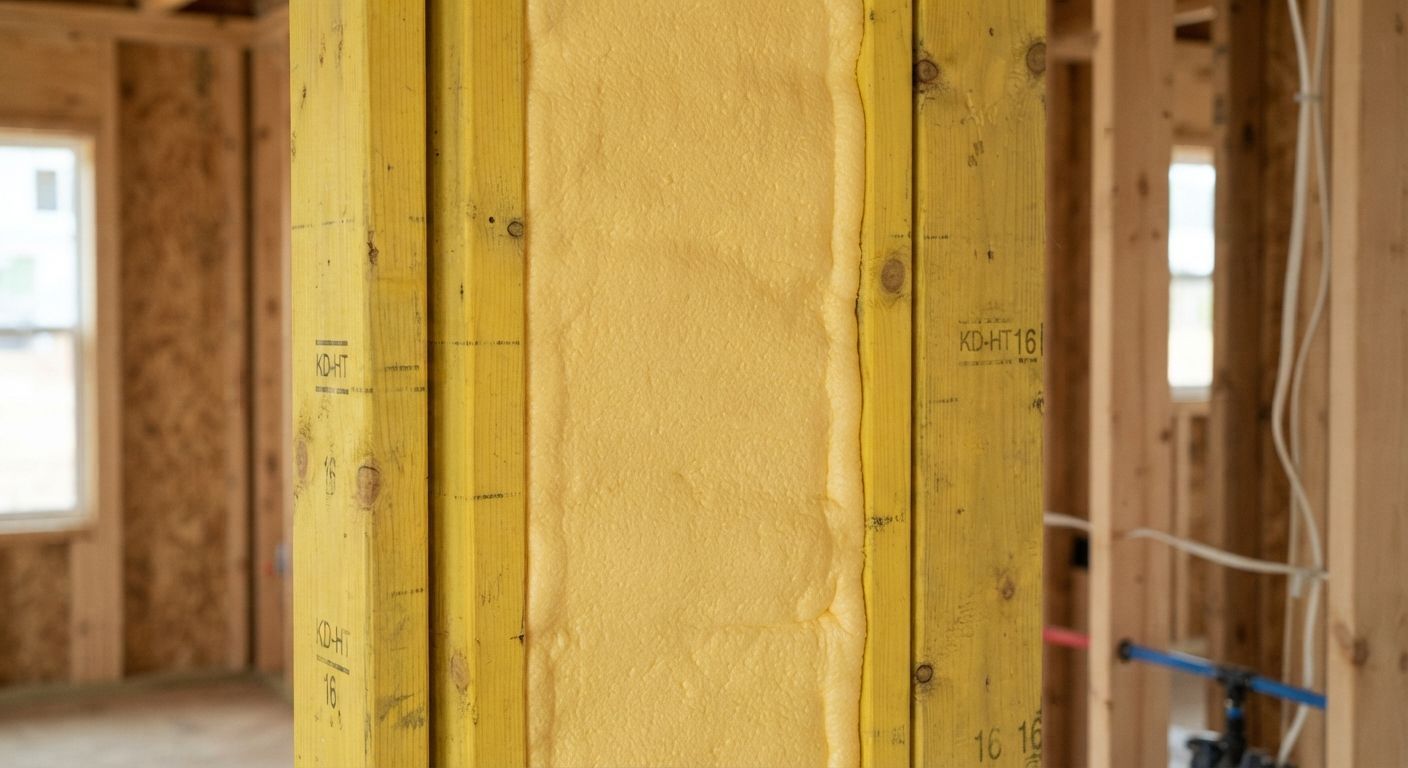
We install closed cell spray foam insulation throughout San Angelo to help manage moisture, drafts, and temperature fluctuations. With R-values typically around R-6 to R-7 per inch, this dense polyurethane foam seals gaps, helps resist water infiltration, and may add rigidity to suitable building assemblies.
As an insulation contractor, we tailor the product, thickness, and application method to each property's construction and insulation needs, whether the project involves a home, workshop, or metal building. This approach supports insulation performance while accounting for the property's specific requirements.
Request a Free Quote
We will get back to you as soon as possible.
Please try again later.
Explore Our Professional Insulation Services
Professional Closed Cell Foam Insulation in San Angelo, TX
Closed-cell spray foam provides approximately R-6 to R-7 per inch, depending on the product. Its dense structure can help reduce air leakage and resist moisture vapor in suitable building assemblies. It is commonly considered for walls, roofs, metal structures, and other areas where higher thermal resistance and effective air sealing are important.
other insulation services:
Metal Building Insulation
Improve temperature control and help manage condensation in metal workshops, warehouses, garages, and other structures with suitable insulation.
Attic Insulation
Help reduce heat transfer through your attic and maintain more consistent indoor temperatures during San Angelo's hot summers.
Open Cell Foam Insulation
Fill suitable wall and roof cavities with expanding foam that helps reduce air leakage and provides sound-dampening benefits.
Blown-In Insulation
Add even thermal coverage to compatible attic spaces using professionally installed loose-fill fiberglass or cellulose insulation.
Air Sealing Services
Seal unwanted gaps around openings, pipes, and building connections to reduce uncontrolled airflow and improve indoor comfort.
Built for Performance
Closed Cell Foam Applications for San Angelo Properties
Because San Angelo experiences hot summers and cooler winter conditions, choosing suitable insulation can help maintain comfortable indoor temperatures throughout the year. In residential and commercial buildings, this dense material can reduce heat transfer through roofs and exterior walls. Its higher R-value per inch makes it a practical option when energy efficiency and limited installation space are important considerations. When properly selected, it can contribute to a more energy-efficient building envelope, even during extreme temperature changes.
Moisture management is another factor we evaluate when recommending an insulation product. A properly specified vapor barrier can help control moisture movement when the product and building assembly are designed for that purpose. As the material expands, it fills many gaps and voids, reducing air leakage around framing and other openings. These characteristics can benefit attics, walls, and crawl spaces, although ventilation and moisture control still need to be assessed for each property.
The Right Fit
When Closed Cell Foam May Be the Right Choice
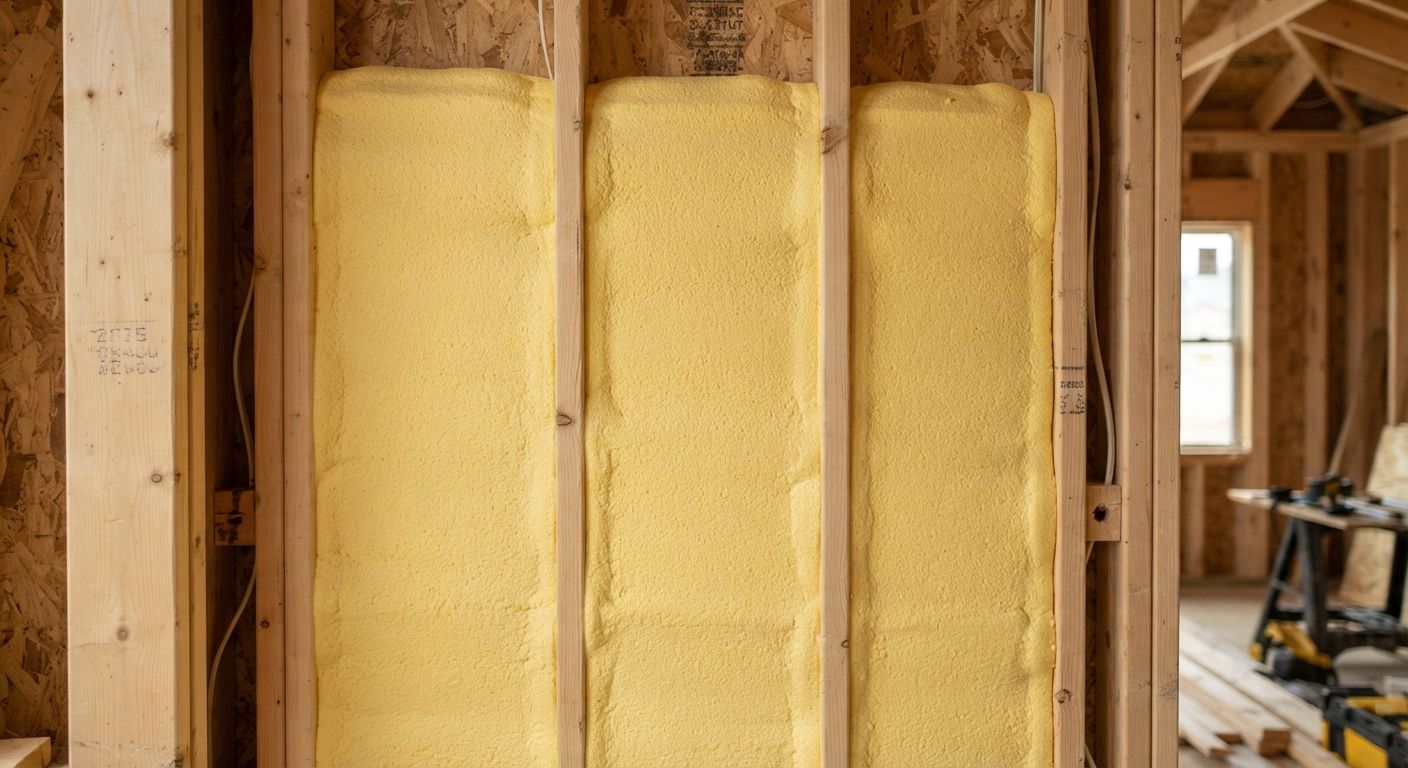
Understanding the differences between open and closed cell foam helps property owners compare the main types of spray foam insulation and select an appropriate option. The denser variety is often considered when a building needs greater thermal resistance per inch, effective air sealing, and the ability to resist moisture movement. Open cell foam has a lower density and may be useful where soundproofing performance and cavity coverage are priorities. The best choice depends on the building assembly, exposure conditions, and intended use.
New construction and major renovations provide convenient access to open framing, allowing technicians to apply insulation to suitable surfaces before walls or ceilings are enclosed. For existing properties, our team evaluates access, surface condition, ventilation, and thermal requirements before recommending an approach. San Angelo Spray Foam Pros considers building science principles and manufacturer specifications when comparing open cell spray foam with denser alternatives. Understanding open and closed cell options helps us recommend a solution based on the structure rather than assuming one product works for every project.
Our Process
Our Closed Cell Foam Installation Process
1
Site Assessment and Preparation
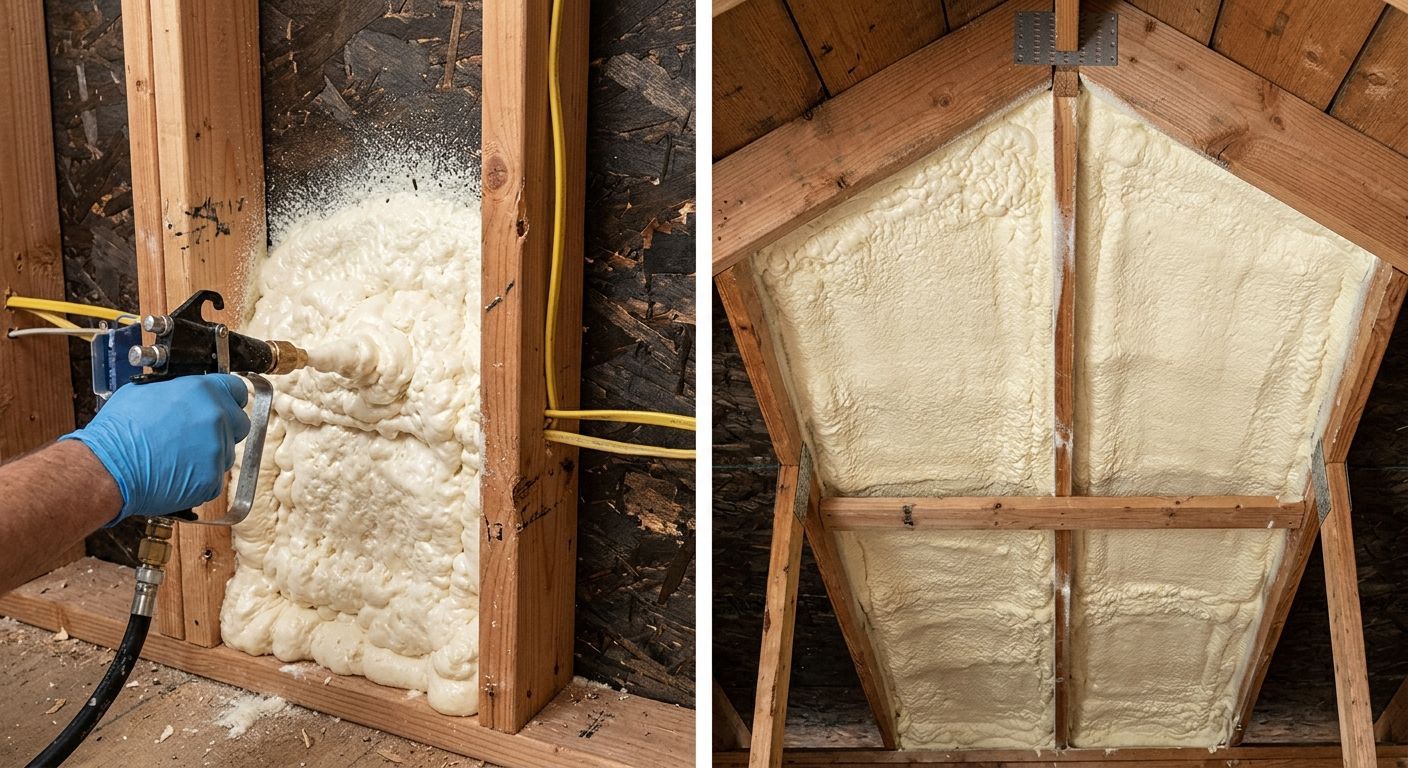
Before application begins, we assess the area to determine the appropriate installation method. Trained technicians use professional two-component equipment to combine the product's components and apply the mixture to approved surfaces. As the polyurethane expands and cures, it can form a continuous, airtight insulating layer that helps limit uncontrolled airflow when properly installed. The resulting coverage depends on surface conditions, application technique, and the manufacturer's requirements.
2
Professional Foam Application
We apply the material at a specified thickness based on the target R-value, building assembly, and manufacturer requirements. The appropriate depth varies by application, so technicians follow product instructions and applicable building codes. Throughout the process, they use suitable protective equipment, maintain required ventilation, and follow job-site safety procedures to protect workers and occupants. Because this material requires careful handling, professionally installed insulation is preferable to relying on an unverified DIY kit.
3
Final Inspection and Quality Check
After installation, we inspect accessible areas for coverage, adhesion, and visible gaps or inconsistencies. This quality check helps identify locations that may need attention, since performance depends on correct application, suitable building conditions, and ongoing maintenance. Proper coverage helps the chosen material deliver its intended thermal and air-sealing benefits.
Cost Guide
Closed Cell Foam Insulation Cost Factors
Several variables affect project cost, including the area being covered, required thickness, surface preparation, accessibility, and overall complexity. Pricing may be calculated by board foot, which represents one square foot of coverage at one inch thick. Estimates should specify the material, application area, and work included so property owners can compare proposals accurately and determine which option suits their budget.
The size and layout of the space also affect labor requirements. Tight attics, complex roof assemblies, basements, and metal buildings may require additional preparation or careful access planning. If existing material needs removal and replacement, disposal and surface preparation can add to the overall expense. Labor rates and equipment requirements vary by project, so an on-site assessment is more reliable than assuming a fixed price for every building.
Although this dense material may have a higher upfront cost than some alternatives, its thermal resistance and air-sealing properties can support long-term energy savings. Whether it is the most cost-effective option depends on the building's design, energy use, moisture conditions, and budget. Comparing initial expenses with potential reductions in energy use can help property owners identify the best product for their circumstances.
Our Advantage
Why Choose Our Closed Cell Foam Team
When evaluating insulation options, our team begins with a professional inspection of existing materials, framing, and ventilation. This helps identify conditions that could affect installation, including air leakage, moisture exposure, and surface compatibility. Recommendations are tailored to the property's construction rather than based on a single solution for every home or business. Our goal is to match the application to the building's actual insulation needs.
Our insulation professionals consider how this material can improve air sealing and contribute to a more consistent building envelope. By limiting uncontrolled airflow through suitable gaps and openings, professionally applied foam may help reduce drafts and temperature fluctuations. Depending on the assembly, its rigid structure may also contribute to structural integrity. The foam has a higher thermal resistance per inch than many traditional materials, but results vary with coverage, thickness, building design, and the performance of other components, such as windows, doors, and ventilation systems.
We also assess moisture resistance and the suitability of the assembly before recommending a product. While a properly specified vapor barrier can help manage moisture movement, insulation does not eliminate the need to repair leaks or maintain appropriate ventilation. Clear communication about preparation, safety procedures, material selection, and inspection findings helps property owners make informed decisions. The benefits of closed cell spray foam depend on selecting the right application and following product-specific installation requirements.

Recent Work
Closed Cell Foam Projects in San Angelo
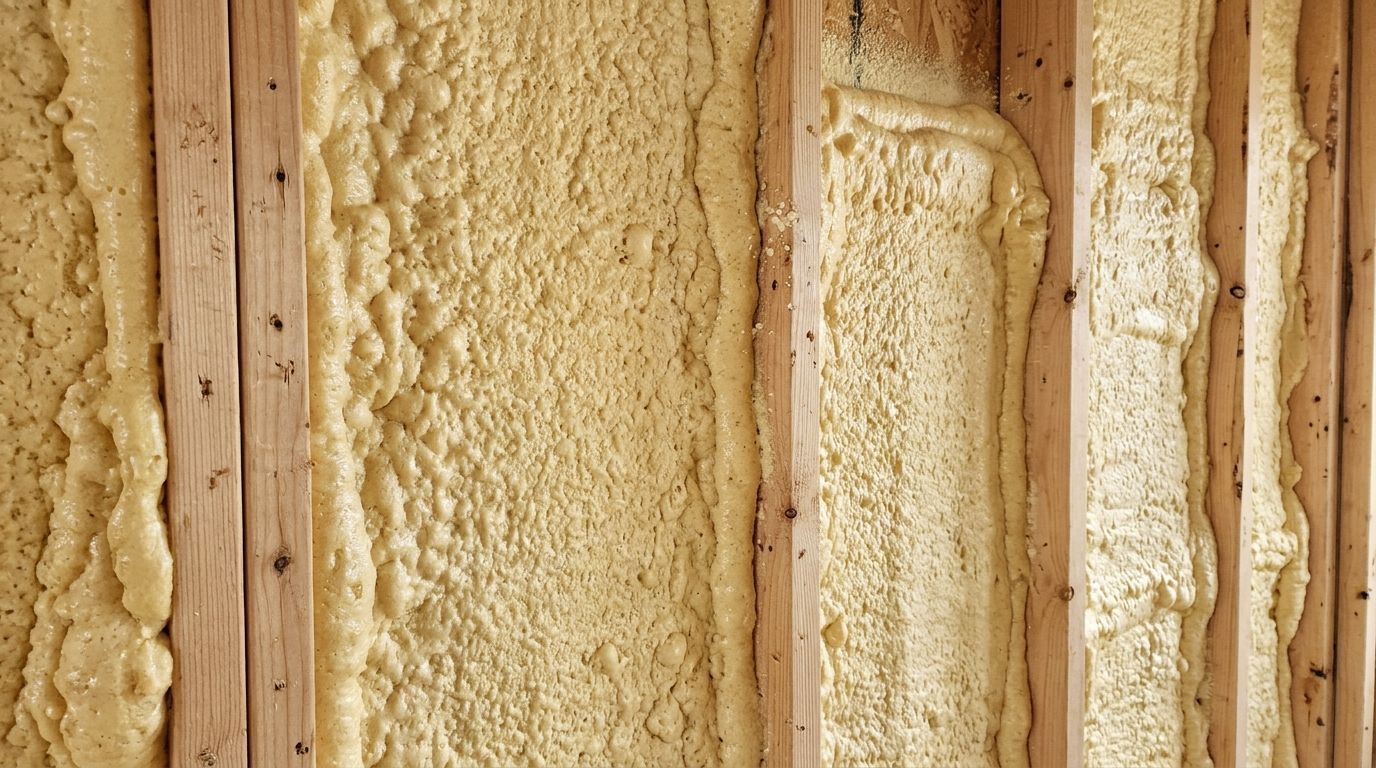
San Angelo properties include residential homes, metal buildings, workshops, and commercial facilities, each with different insulation requirements. Every project starts with an assessment of the existing assembly, intended use, and target thermal performance. This helps determine whether a dense foam product, open cell spray foam, fiberglass, cellulose, or another material is appropriate. No single option provides the same advantages for every structure.
During application, technicians work around framing, metal surfaces, and other building components to achieve suitable coverage. Sealing air leaks is important because gaps and cracks can affect comfort and energy use. Unlike some traditional products that rely on trapped air between fibers or within a bubble structure, spray foam expands to fill compatible spaces when correctly applied. The team also considers ventilation, moisture conditions, and applicable local building code requirements when planning the work.
Whether a project involves new construction or an upgrade to existing materials, recommendations are based on the structure's condition, access, and performance goals. This approach helps ensure the selected material can perform as intended within the building assembly, including during San Angelo's significant seasonal temperature changes. Spray foam insulation is one possible solution for improving comfort and managing heat transfer, provided the product is suitable for the application.
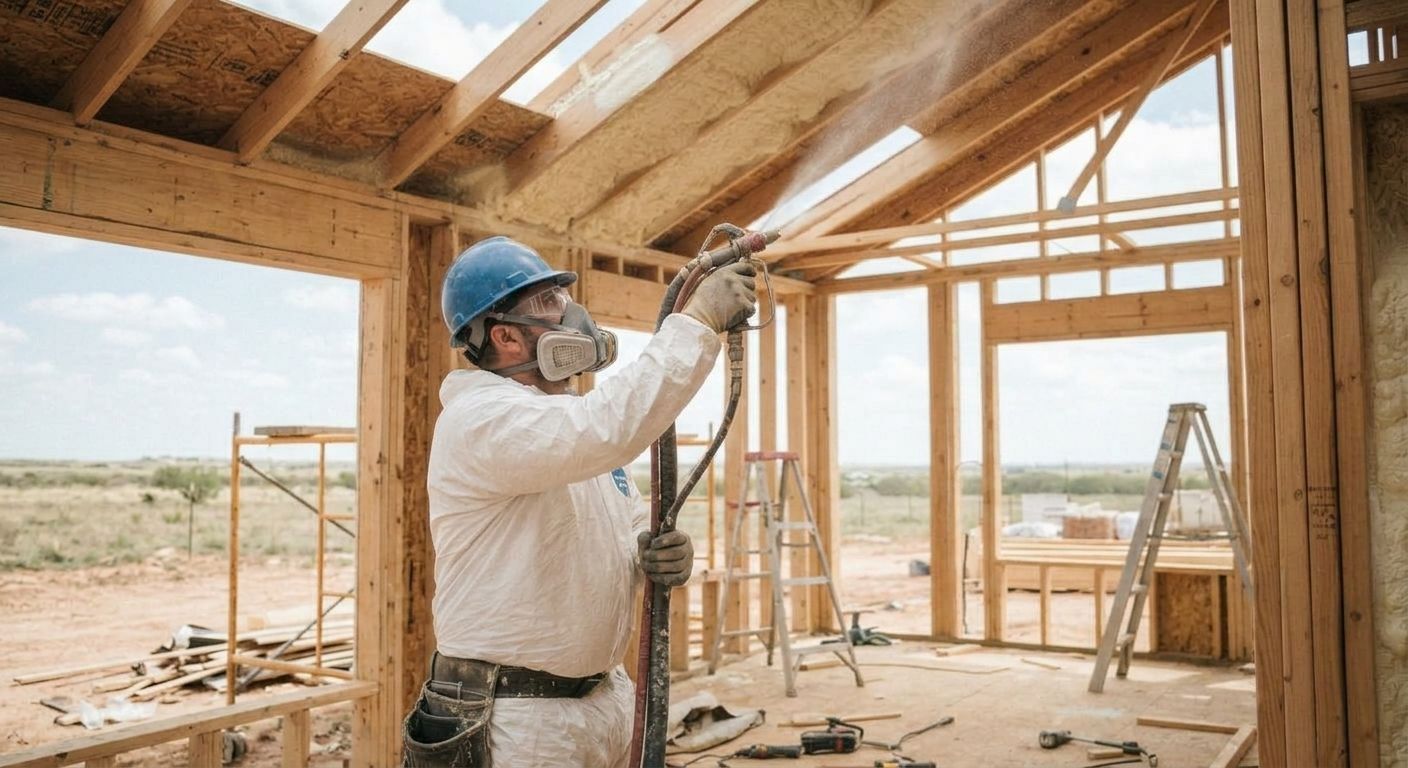
Residential Ceiling & Roof Deck Insulation Project
San Angelo, TX
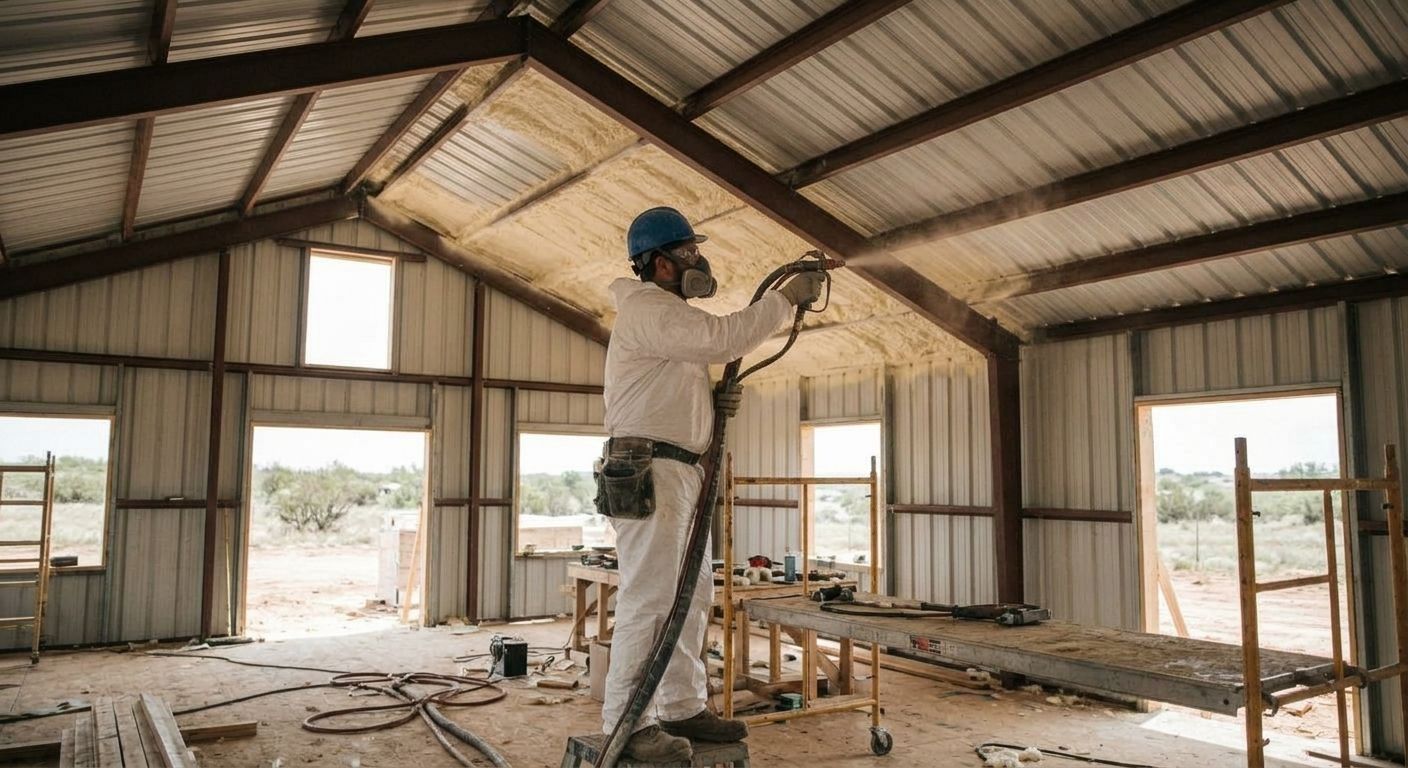
Barndominium Roof Deck Insulation Project
San Angelo, TX
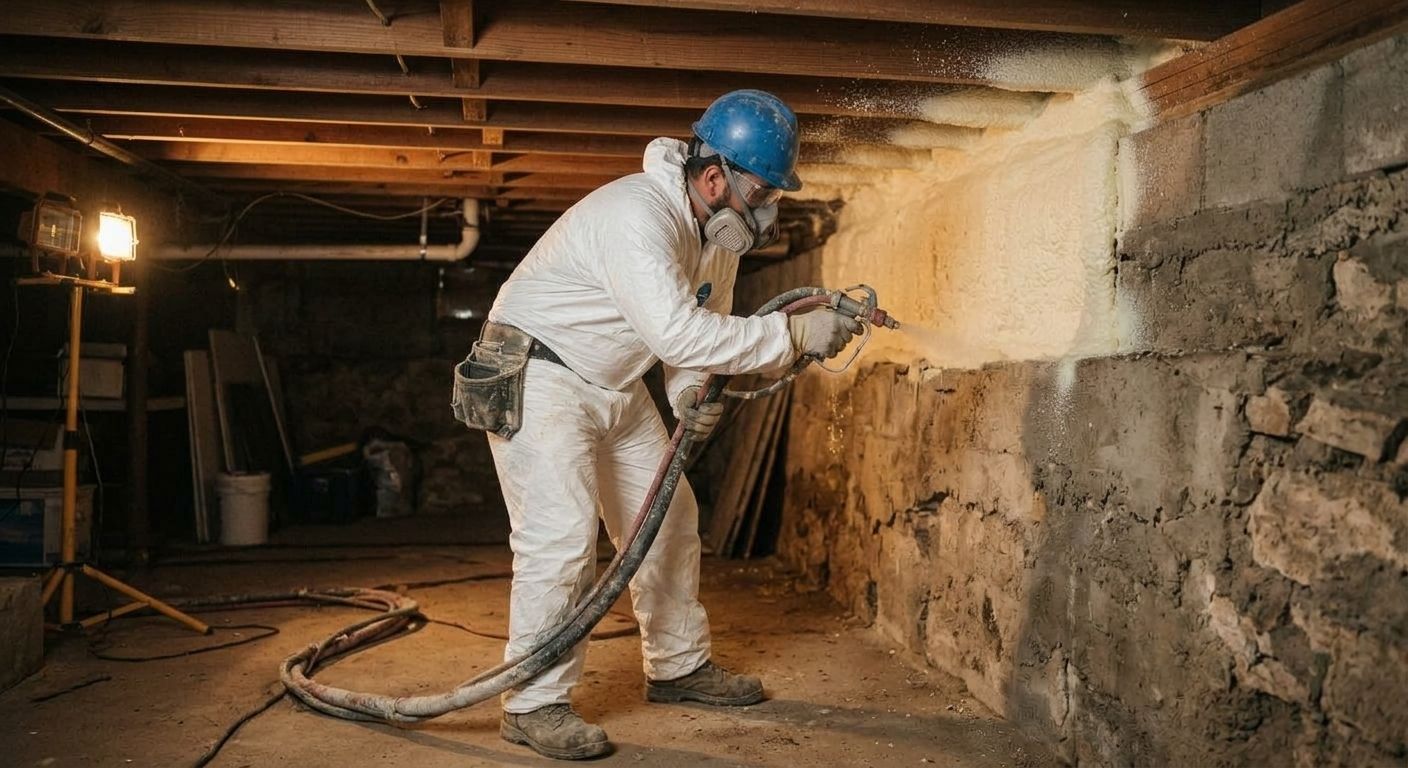
Crawlspace & Rim Joist Insulation Project
San Angelo, TX
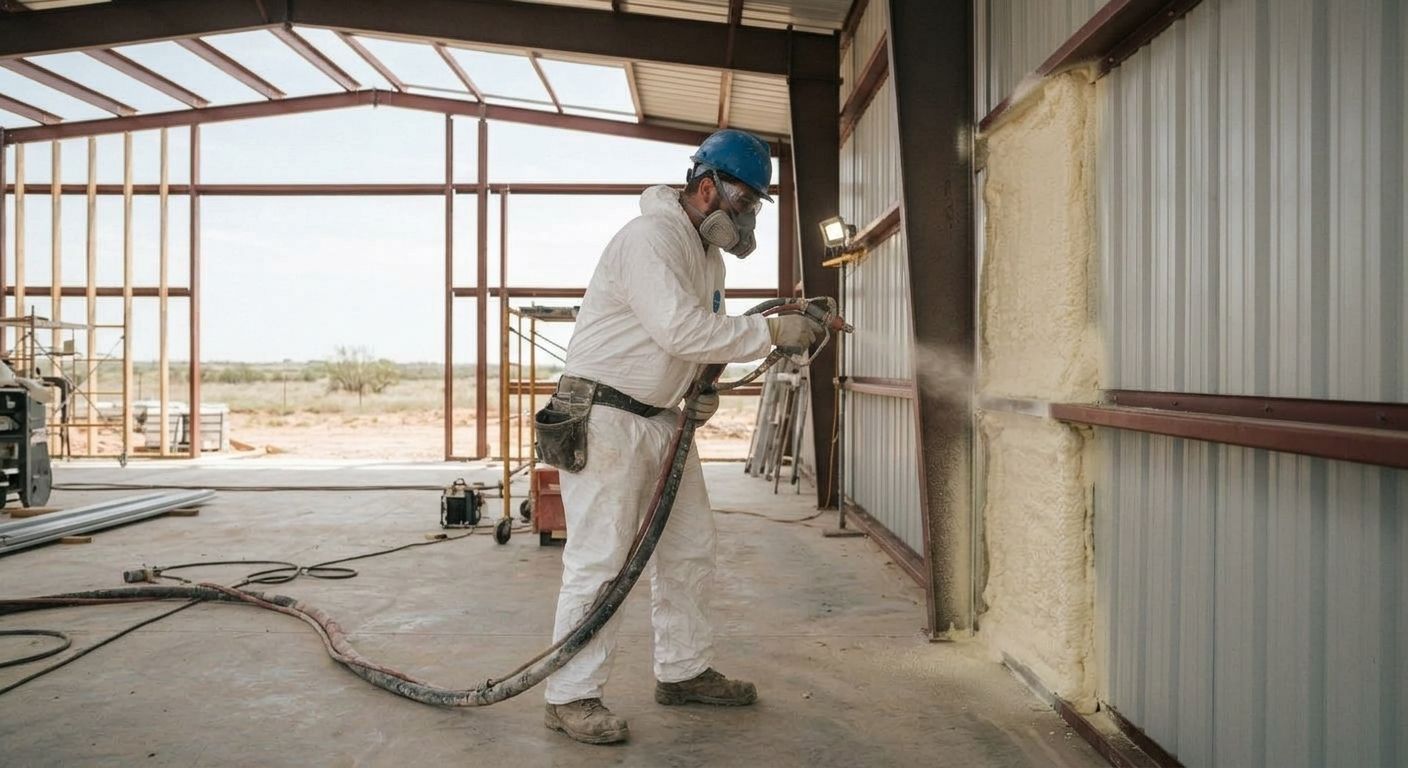
Commercial Metal Building Wall Insulation Project
San Angelo, TX
Good to Know
Frequently Asked Questions About Closed Cell Foam Insulation
How much does closed cell foam insulation cost?
The price depends on the area being insulated, required thickness, surface preparation, accessibility, and project complexity. Pricing is often calculated by board foot, representing one square foot of coverage at one inch thick. San Angelo Spray Foam Pros can assess the property and prepare an estimate based on the actual scope of work. Compare proposals by reviewing material specifications, labor, preparation, and any additional services included.
What are the main benefits of closed cell foam?
This dense material offers a relatively high R-value per inch, helping slow heat transfer through suitable walls, roofs, and other building assemblies. Its structure can reduce air leakage and limit moisture movement when correctly installed. These characteristics may improve comfort, support energy efficiency, and help manage heating and cooling demand. While open-cell products may provide advantages for sound attenuation, the denser option is often selected when moisture resistance, rigidity, and greater thermal performance per inch are priorities. Its exceptional insulating properties can be useful when space is limited and strong thermal performance is a key consideration.
Where can closed cell foam be installed in a home or building?
Potential applications include exterior walls, roof decks, attics, crawl spaces, basements, metal garages, barns, workshops, and commercial buildings. Suitability depends on surface condition, framing, moisture exposure, and how the space is used. Technicians assess the assembly and prepare the area according to product requirements. Fiberglass and cellulose may be better suited to certain applications, so the choice should reflect the building's specific needs rather than assuming one material fits every space. The appropriate option should complement the structure and its intended use.
How thick should closed cell foam insulation be?
The required thickness depends on the target R-value, building assembly, applicable codes, and whether the primary goal is thermal performance, air sealing, or moisture control. This type of polyurethane material commonly provides an R-value around 6 to 7 per inch, although specifications vary. Other insulation materials may offer values closer to 3.5 per inch, making manufacturer data important when comparing options. Technicians evaluate the roof or wall assembly and follow product instructions to determine the appropriate depth.
Is closed cell foam suitable for metal buildings in San Angelo?
This material can be suitable for metal buildings in San Angelo, where summer heat and changing temperatures may contribute to uncomfortable interiors and condensation. When correctly specified and installed, it can adhere to compatible metal surfaces, reduce air leakage, and limit moisture movement. Before application, technicians should inspect for corrosion, leaks, and surface problems. Insulation should complement necessary repairs and appropriate ventilation rather than serve as a substitute for them.
Choosing between open-cell and closed-cell options starts with understanding the property's construction, moisture conditions, and thermal performance goals. The denser variety can provide greater thermal resistance per inch and help reduce air leakage in suitable applications, while other products may be more appropriate for different assemblies. Understanding cell vs. cell differences can help property owners compare insulation performance, but the right choice depends on the property's requirements, budget, and intended energy efficiency goals.
San Angelo Spray Foam Pros can discuss available products, preparation requirements, installation steps, and factors that influence the estimate. Recommendations should account for building condition, material compatibility, required performance, and applicable codes. Contact the team to arrange an assessment and receive a project-specific estimate for your property.