Attic Insulation in San Angelo, TX
Professional attic insulation services in San Angelo, TX, help homeowners manage heat transfer, limit unwanted air leakage, and maintain more consistent indoor temperatures throughout the year. Our local service team evaluates attic conditions and recommends a suitable type of insulation, including spray foam insulation, blown-in fiberglass, and cellulose insulation, based on the property's structure and thermal requirements.
With hot summers and seasonal temperature changes in West Texas, adequate insulation, proper installation depth, and moisture management can improve home comfort and support energy efficiency. Each project begins with an assessment of existing materials, ventilation, and potential air leaks to determine how much attic insulation is needed.
Request a Free Quote
We will get back to you as soon as possible.
Please try again later.
Explore Our Professional Insulation Services
Professional Attic Insulation in San Angelo, TX
Attics can contribute to unwanted heat transfer, especially during San Angelo's hot summers. Proper attic insulation helps reduce heat movement between the roof and living spaces, supporting more consistent indoor temperatures. Depending on the attic's design, existing materials, and ventilation requirements, suitable options may include spray foam or blown-in insulation.
other insulation services:
Metal Building Insulation
Improve temperature control and help manage condensation in metal workshops, warehouses, garages, and other structures with suitable insulation.
Closed Cell Foam Insulation
Reduce heat transfer and unwanted air leakage with dense spray foam that provides approximately R-6 to R-7 per inch, depending on the product.
Open Cell Foam Insulation
Fill suitable wall and roof cavities with expanding foam that helps reduce air leakage and provides sound-dampening benefits.
Blown-In Insulation
Add even thermal coverage to compatible attic spaces using professionally installed loose-fill fiberglass or cellulose insulation.
Air Sealing Services
Seal unwanted gaps around openings, pipes, and building connections to reduce uncontrolled airflow and improve indoor comfort.
Home Comfort
Professional Attic Insulation for San Angelo Properties
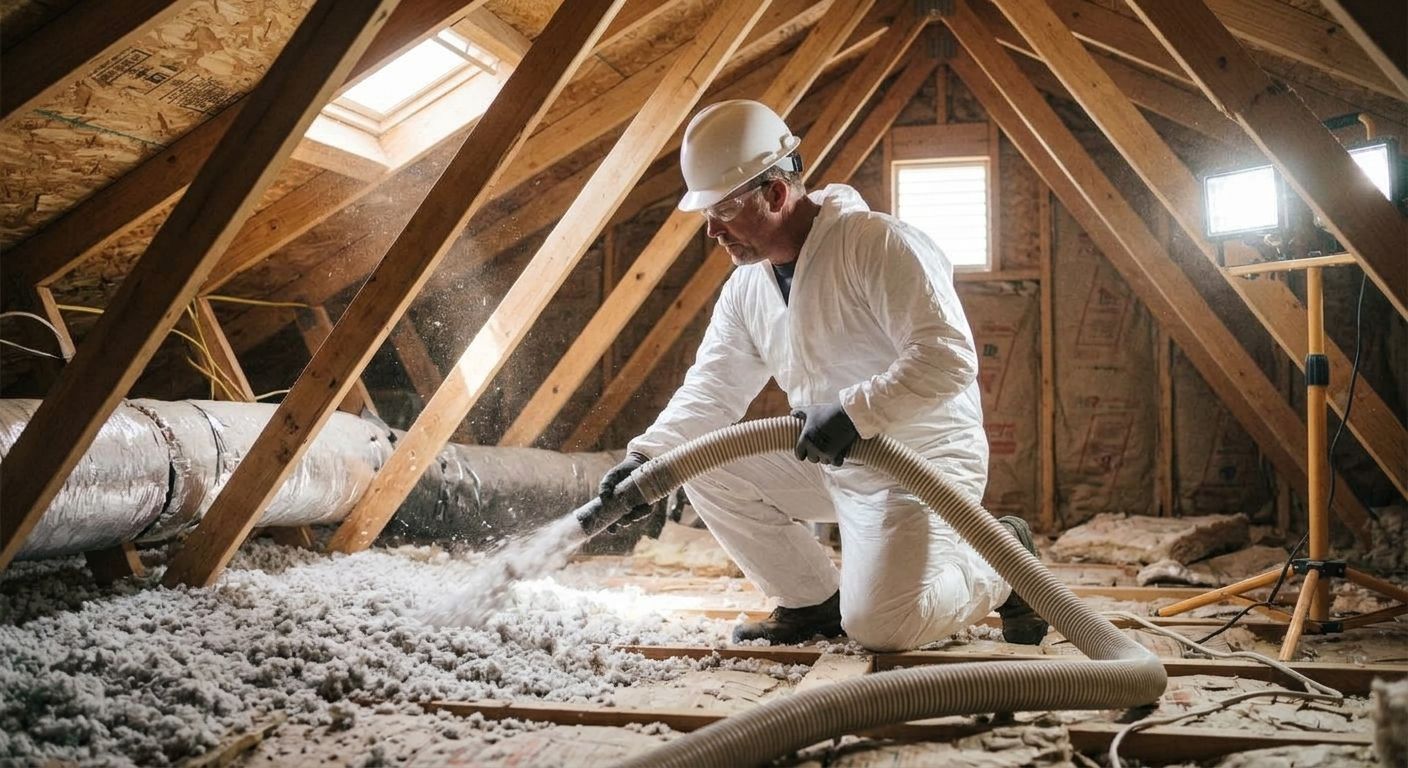
San Angelo's hot summers and cooler winter periods make attic insulation an important home improvement for residential and commercial properties. Effective insulation depends on the building's construction, existing materials, air leakage, and required thermal performance. Our technicians assess these factors to recommend the right insulation for the project. Spray foam can help seal suitable gaps, while blown-in fiberglass and cellulose provide coverage across accessible attic areas. The type of insulation you choose affects installation requirements, resistance to heat flow, and overall performance.
Every project begins with an attic insulation inspection to identify gaps, evaluate existing insulation levels, and locate areas where heat transfer or air leakage may affect indoor comfort. Based on these findings, trained insulation professionals recommend suitable materials and installation methods. Proper coverage, the correct R-value, and careful workmanship help maintain a home comfortable throughout changing seasons while managing heating and cooling demands. The higher the R-value, the greater the material's resistance to heat flow, although the appropriate rating depends on the building and applicable building codes.
Warning Signs
Signs Your Attic May Need Better Insulation
Several signs may indicate that an attic's insulation needs attention. Uneven indoor temperatures, persistent drafts, and higher-than-expected utility bills can point to insufficient insulation or air leakage. In San Angelo, attic heat can contribute to hot and cold spots inside the home and increase demands on the HVAC system. Insulation can reduce heat transfer, but moisture stains, damp materials, or visible ceiling damage may indicate a roof leak or condensation problem that should be investigated before new insulation is installed.
Insulation that appears compressed, displaced, damaged, or uneven may also need assessment. However, insulation depth alone does not determine performance; the material type, condition, air sealing, and required R-value all matter. A professional attic inspection can identify the likely causes of comfort problems and help determine whether air sealing, insulation upgrades, or removal and replacement is appropriate. For older homes, checking existing materials and insulation levels is especially useful before deciding how to upgrade your attic.
Our Process
Our Attic Insulation Installation Process
1
Attic Inspection and Assessment
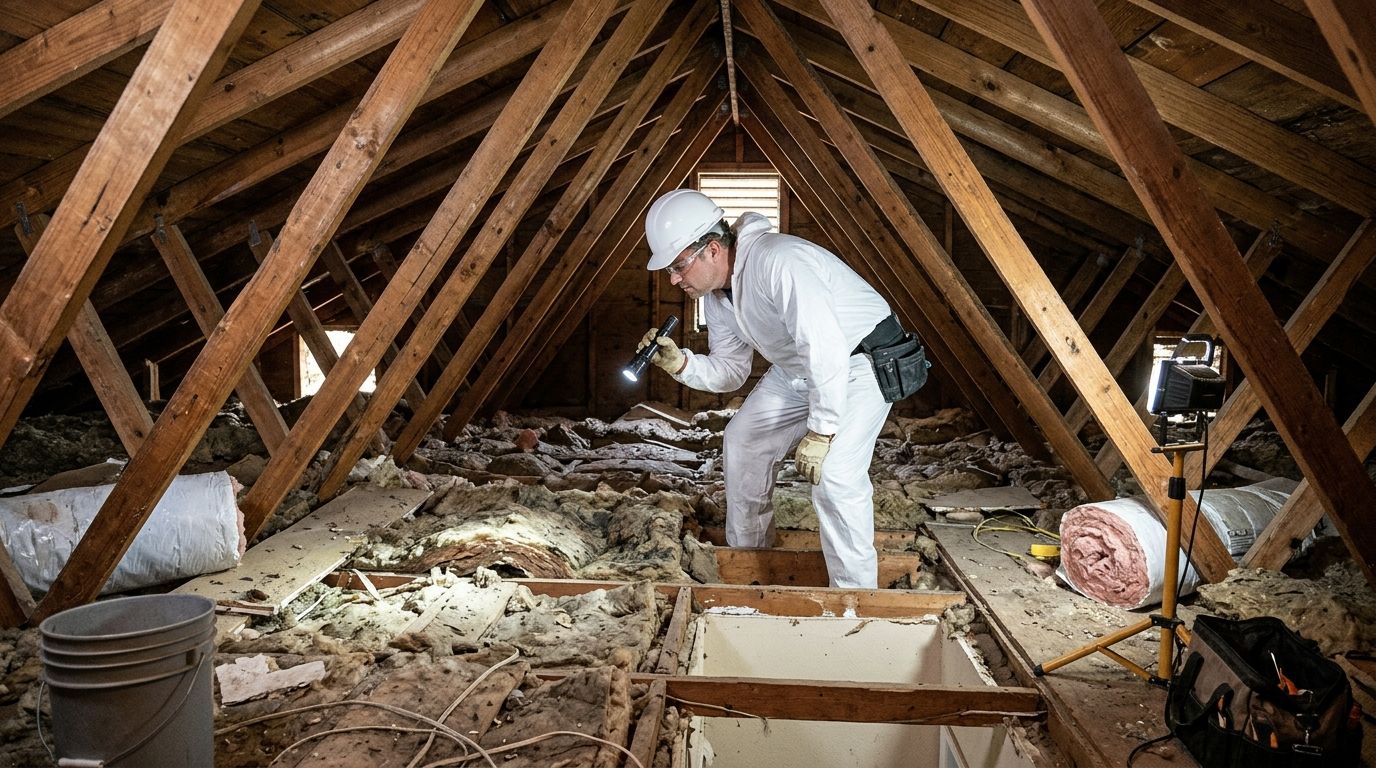
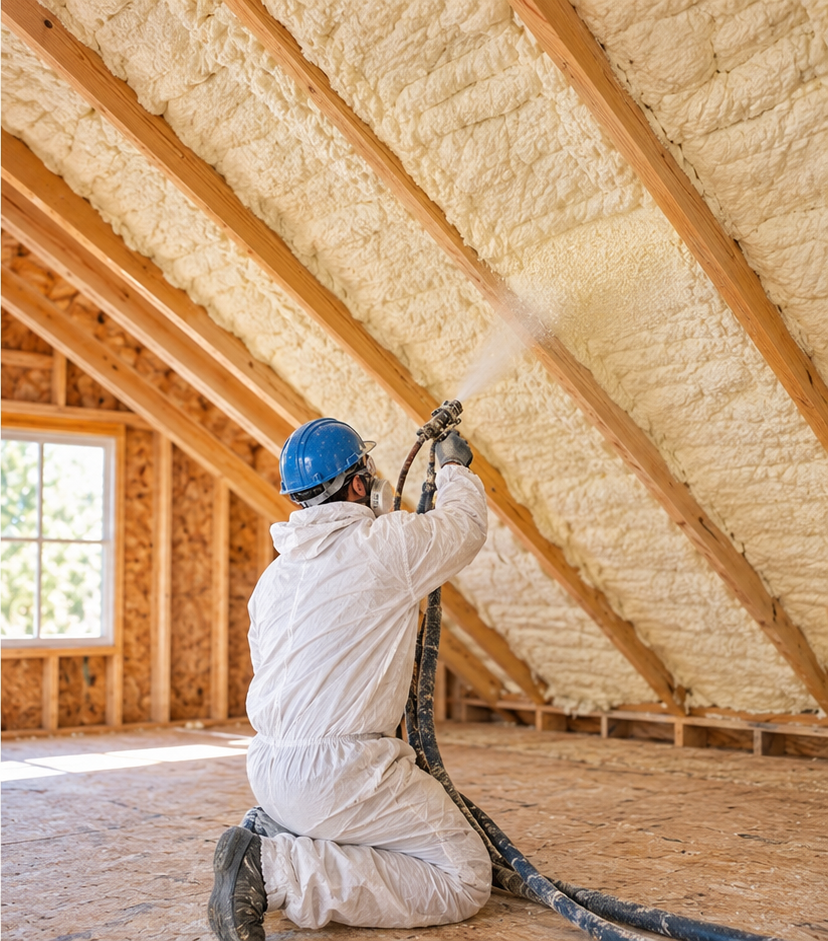
The process begins with an inspection of the attic's existing insulation, accessible framing, ventilation, and areas where indoor air may escape. This assessment helps determine which of the several types of insulation available is suitable for the building. Technicians consider options such as fiberglass batts, blown-in cellulose, and spray foam, taking into account the attic's layout and joist spacing and minimal obstructions. They also look for moisture intrusion, damaged materials, and conditions that could affect installation quality.
2
Attic Preparation and Insulation Installation
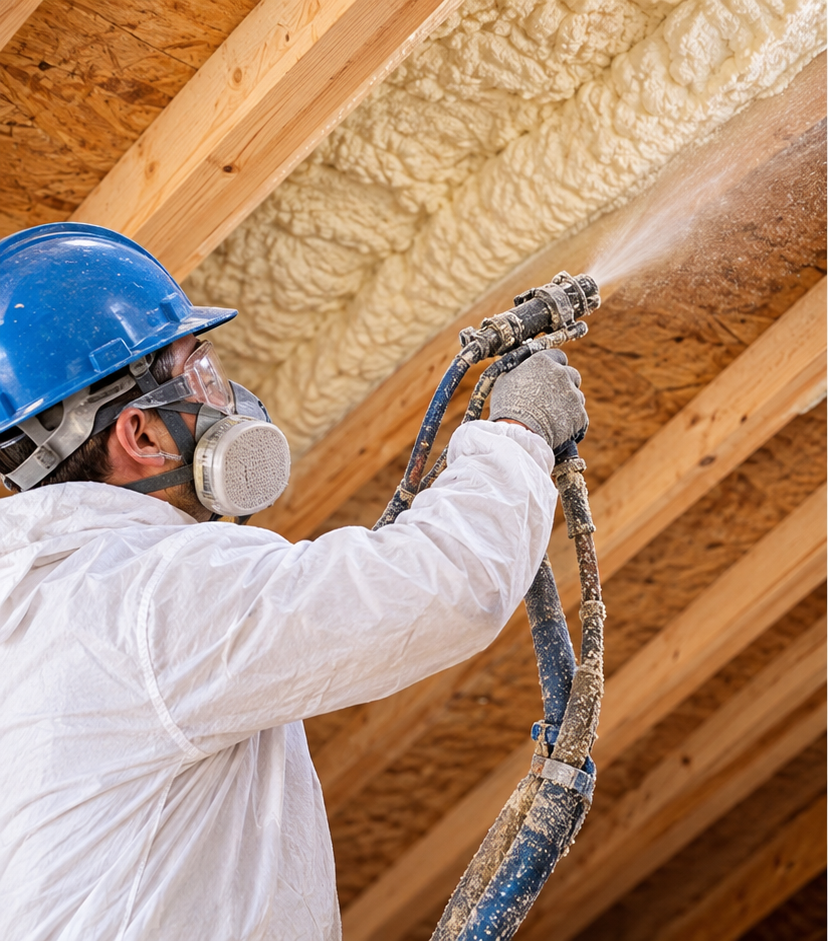
Before new insulation is installed, necessary preparation may include air sealing around suitable gaps and penetrations, protecting nearby components, and removing damaged or contaminated insulation when required. The selected material is then installed to the planned coverage and thickness, following product specifications and applicable building codes. Professional installation uses appropriate equipment and safety procedures, particularly for spray foam applications.
3
Final Inspection and Quality Check
After installation, we inspect accessible areas for coverage, adhesion, and visible gaps or inconsistencies. This quality check helps identify locations that may need attention, since performance depends on correct application, suitable building conditions, and ongoing maintenance. Proper coverage helps the chosen material deliver its intended thermal and air-sealing benefits.
Cost Guide
Attic Insulation Cost Factors
Attic insulation costs depend on the size and accessibility of the space, the type of insulation, the required thickness, and the condition of existing materials. Spray foam generally costs more than many blown-in insulation options, although actual prices vary by product, preparation needs, and project complexity. Some homeowners choose batt insulation for accessible framing spaces, while loose-fill fiberglass or cellulose may suit open attic floors. A reliable estimate should be based on the property rather than a general price range alone.
Other cost factors include removing old insulation, addressing air leaks, protecting fixtures, and managing difficult access or unusual attic layouts. A professional assessment helps establish the coverage area and material quantity needed to meet the project's thermal performance goals. Labor, equipment rental, and specialized installation requirements can also affect the total. Before work begins, homeowners should receive an estimate that describes the proposed materials, installation scope, preparation work, and any additional charges that may apply. Comparing options at a moderate cost should include expected performance and suitability, not just the initial price.
Our Advantage
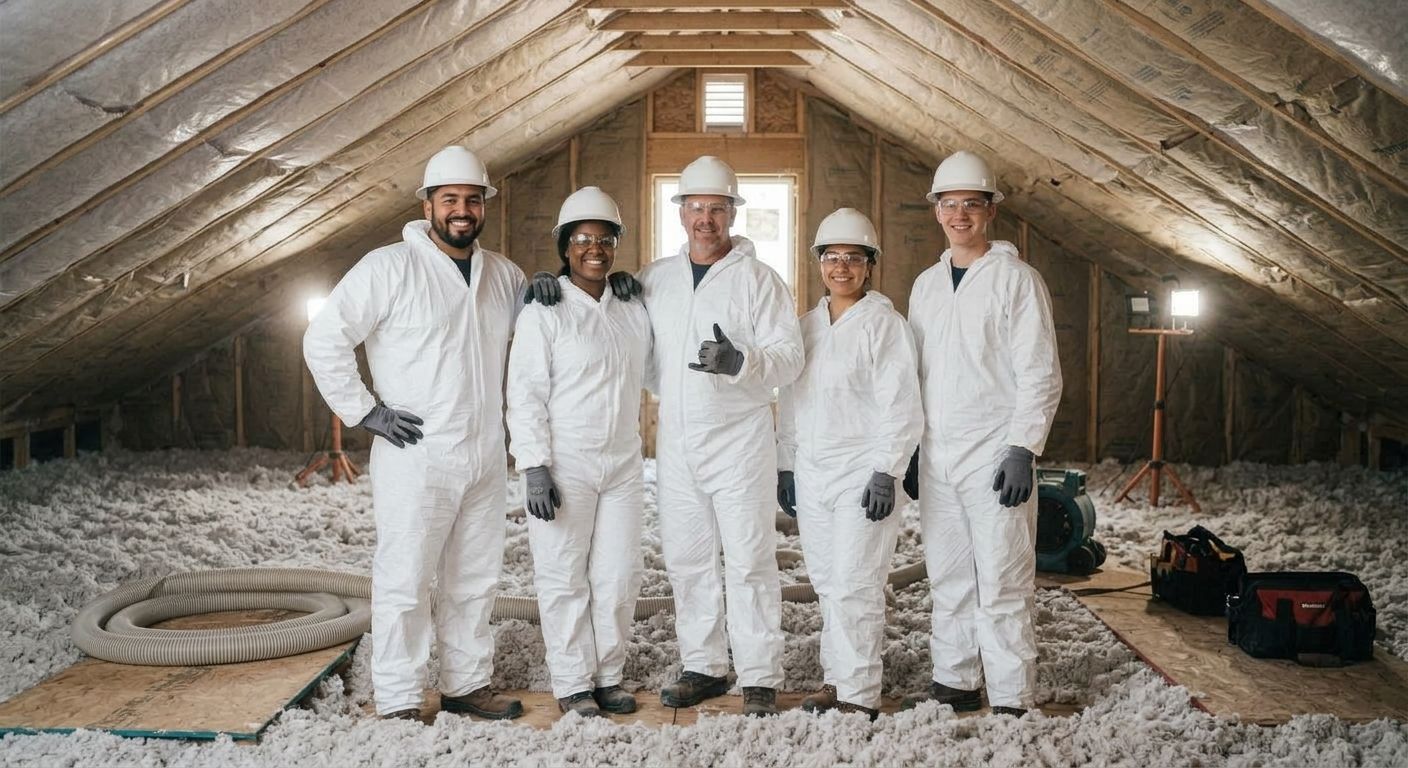
Why Choose Our Attic Insulation Team
Attic insulation requires careful material selection, installation planning, and attention to ventilation and moisture conditions. Our local service team evaluates each property's needs before recommending an insulation approach for homes and commercial buildings in San Angelo. Depending on the structure, options may include blown-in fiberglass, cellulose insulation made from recycled paper, spray foam, or a radiant barrier where appropriate. These materials serve different purposes, so choosing the right solution depends on the attic's design and the homeowner's goals.
Trained insulation technicians follow product-specific installation instructions and professional safety procedures. Their work includes assessing air leakage, checking insulation coverage, and considering how the proposed material interacts with roof framing, wiring, plumbing, and ventilation components. Some insulation materials can absorb moisture or become less effective when wet, making it important to resolve leaks and moisture concerns before installation. Understanding recommendations from resources such as the U.S. Department of Energy can also help homeowners evaluate insulation levels and energy-saving options. A clear explanation of materials, installation requirements, and expected performance supports informed decisions without relying on unsupported energy savings claims.
Recent Work
Attic Insulation Projects in San Angelo
Attic insulation projects across San Angelo may involve replacing deteriorated materials, insulating new construction, or improving coverage where heat transfer and air leakage affect comfort. The appropriate R-value and installation depth depend on the insulation product, building design, climate considerations, and applicable code requirements. Following relevant guidance from the Department of Energy and local building standards can help determine suitable insulation levels rather than assuming one target depth fits every attic. Adequate insulation may support energy savings by reducing unwanted heat flow through the building envelope.
Blown-in cellulose and fiberglass can provide coverage across accessible attic floors, while spray foam may be appropriate for selected roof or framing assemblies when the design supports its use. Fiberglass batts can also suit spaces with compatible framing and few obstructions. Bubble insulation is a reflective product that works differently from conventional bulk insulation and should be selected only where the assembly and installation method support its intended function. Technicians assess gaps around framing and penetrations, review existing insulation, and account for ventilation and moisture management before completing the work. These steps help match the chosen insulation to the property's construction and thermal performance needs.
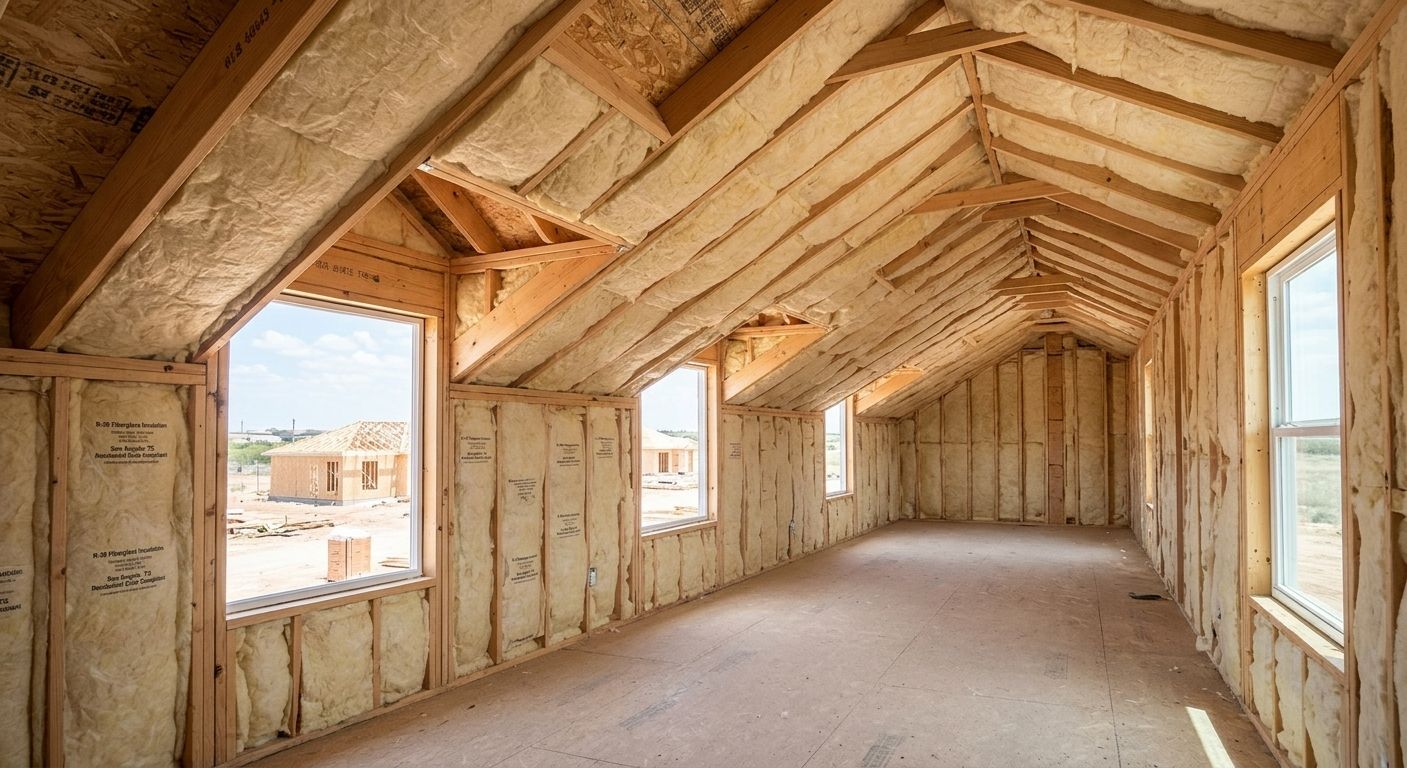
Lake Nasworthy Energy Efficiency Project
San Angelo, TX
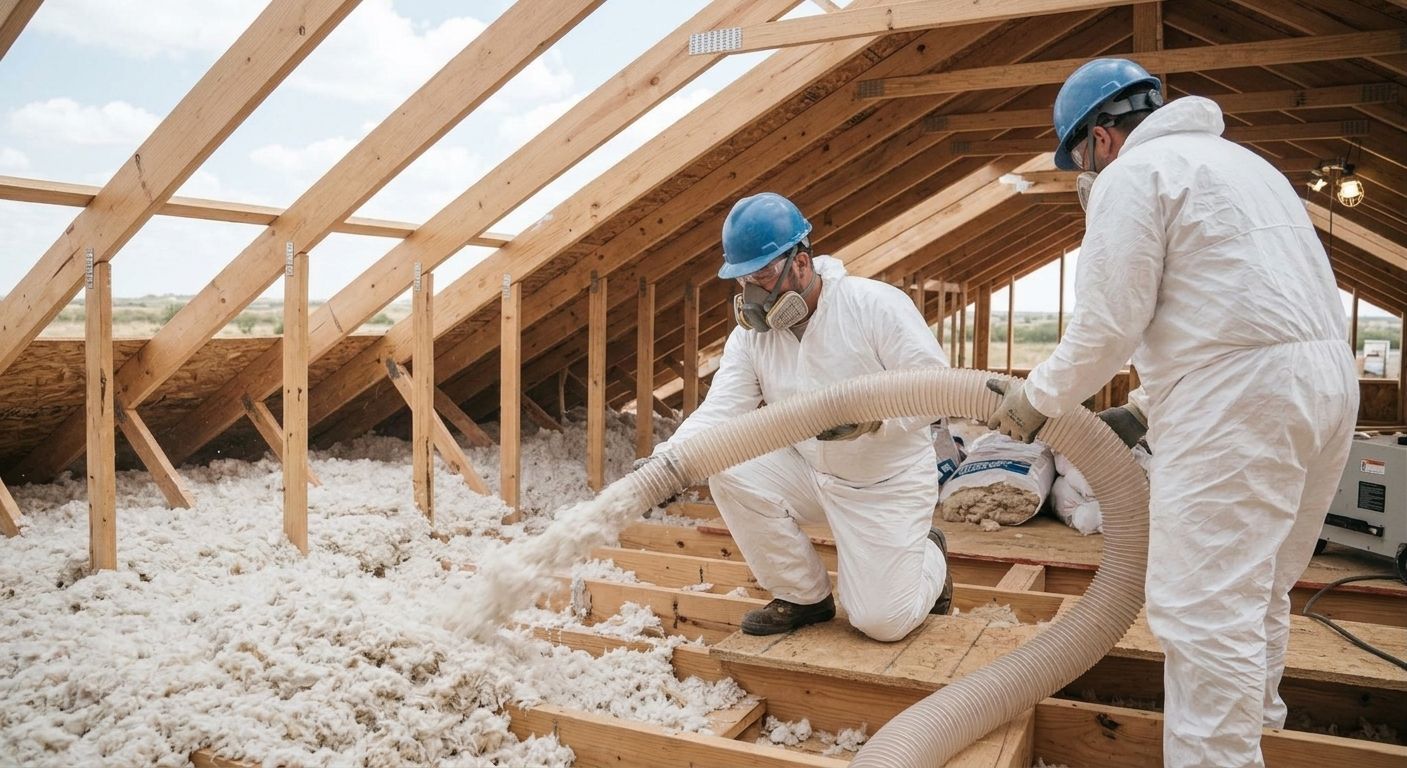
Blown-In Attic Insulation Installation
San Angelo, TX
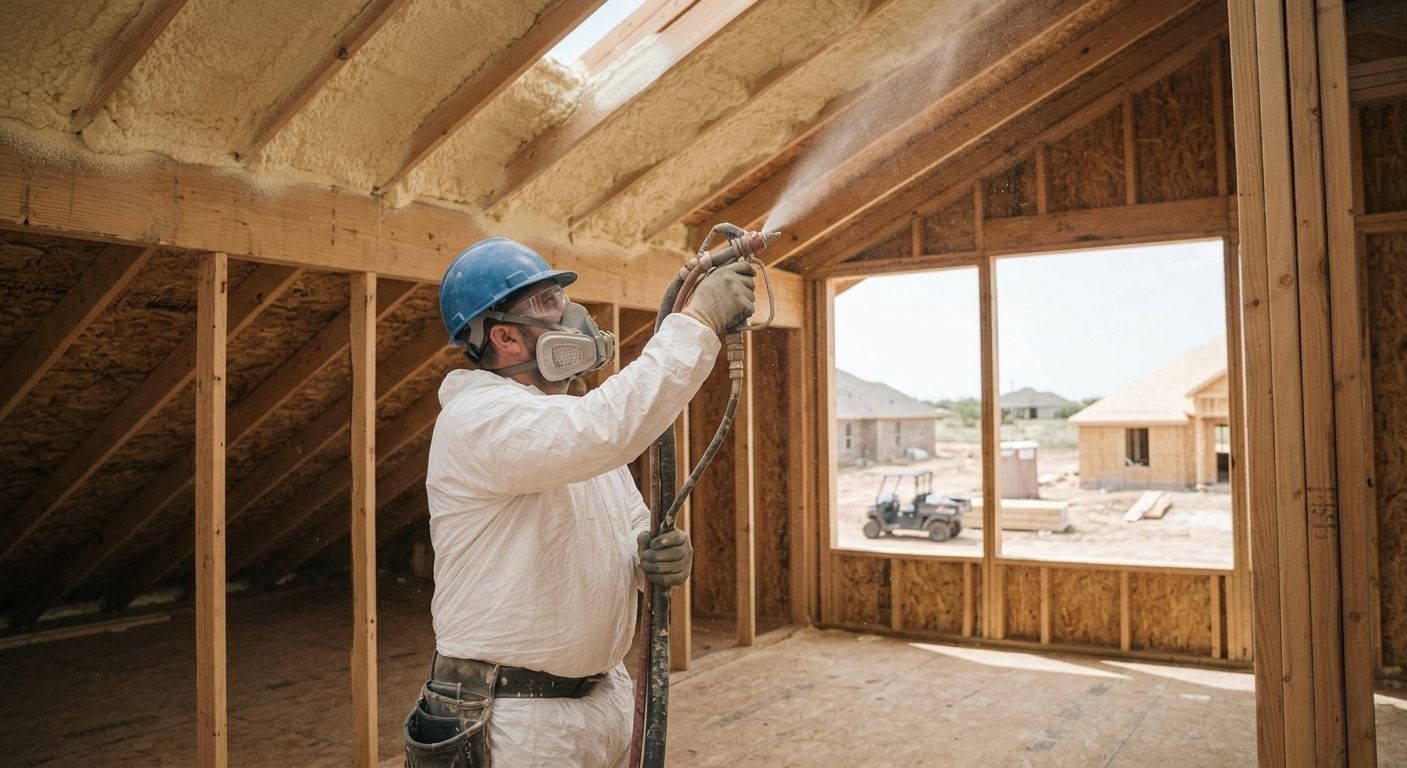
Spray Foam Rafter Application
San Angelo, TX
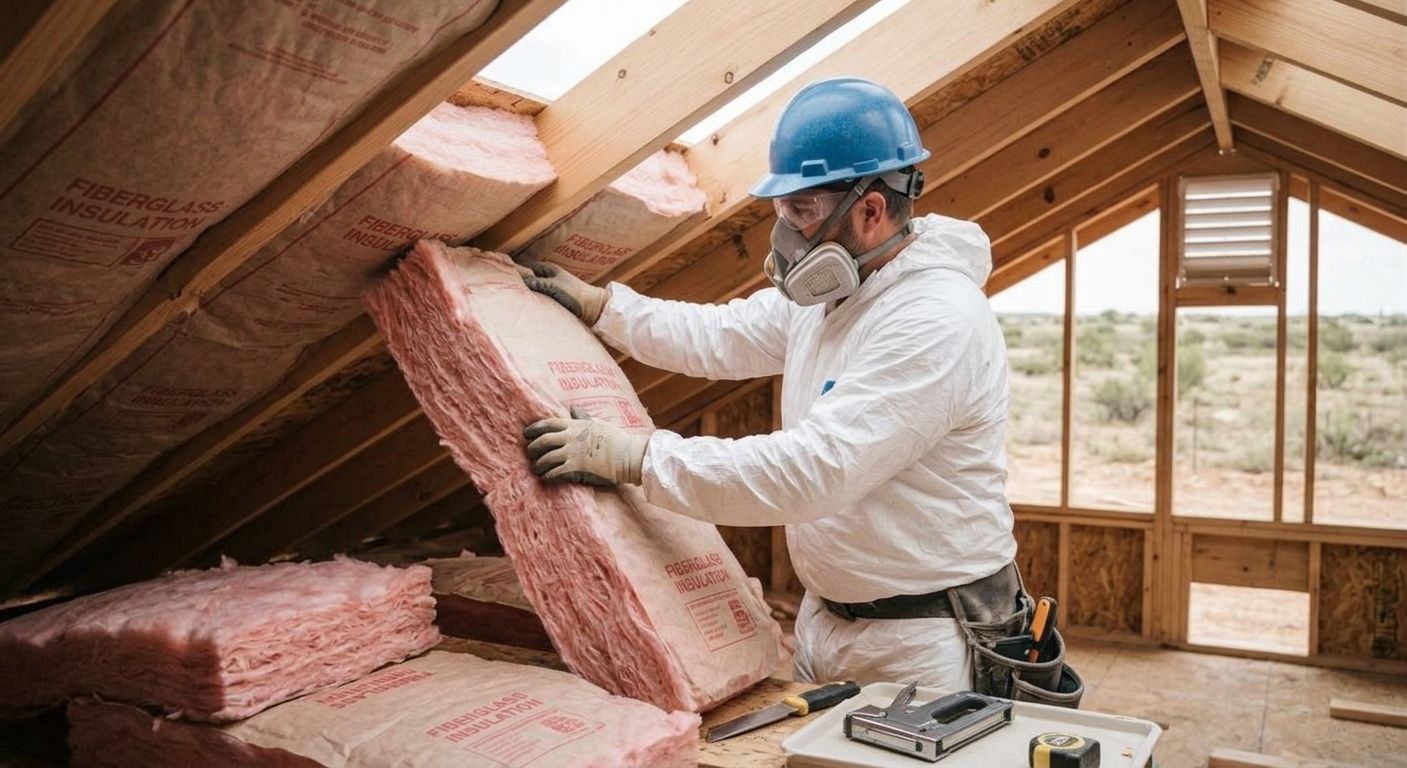
Fiberglass Batt Ceiling Insulation
San Angelo, TX
Good to Know
Common Attic Insulation Questions from San Angelo Homeowners
How much does attic insulation cost in San Angelo, TX?
The cost depends on attic size, insulation material, required R-value, accessibility, and whether existing insulation needs removal. Spray foam typically has different installation costs from fiberglass or cellulose. Properties with air leaks, moisture issues, or difficult access may need additional preparation. A professional assessment can identify the work required and provide a written estimate outlining the materials, coverage, and labor involved.
Does attic insulation help keep homes cooler during San Angelo summers?
Yes. Proper attic insulation slows heat transfer from the roof into living spaces, helping reduce the workload on air conditioning during West Texas summers. Air sealing can further limit heat entering through gaps around wiring, plumbing, and other penetrations. The improvement depends on the home's construction, existing insulation, and ventilation. A technician can assess these factors and recommend suitable improvements that may help reduce heating and cooling costs over time.
When should attic insulation be replaced?
Replacement may be necessary when insulation is wet, contaminated by pests, compressed, or significantly damaged. However, older insulation does not always need to be removed. A professional inspection can assess its condition, identify moisture sources, and determine whether additional insulation, targeted repairs, or complete removal is appropriate. Addressing roof leaks and other moisture problems before installing new material helps prevent recurring damage and supports long-term home energy performance.
Can new insulation be added over existing attic insulation?
In many cases, fiberglass or cellulose can be added over existing insulation if the material is dry, clean, and in suitable condition. Before adding material, technicians should check for roof leaks, pest contamination, blocked ventilation where applicable, and air leakage. Spray foam requires separate evaluation because its application and compatibility with existing materials depend on the assembly. The right approach depends on the attic's condition, the insulation you need, and the home's construction.
How long does attic insulation installation take?
Many straightforward attic insulation projects can be completed in one day, although larger attics and jobs requiring removal or repairs may take longer. The schedule depends on access, preparation, insulation type, and the property's condition. Spray foam also requires appropriate application procedures and compliance with product-specific curing and re-entry instructions. An initial assessment helps establish a realistic timeline and identify preparation needed before work begins.
Choosing between open-cell and closed-cell options starts with understanding the property's construction, moisture conditions, and thermal performance goals. The denser variety can provide greater thermal resistance per inch and help reduce air leakage in suitable applications, while other products may be more appropriate for different assemblies. Understanding cell vs. cell differences can help property owners compare insulation performance, but the right choice depends on the property's requirements, budget, and intended energy efficiency goals.
San Angelo Spray Foam Pros can discuss available products, preparation requirements, installation steps, and factors that influence the estimate. Recommendations should account for building condition, material compatibility, required performance, and applicable codes. Contact the team to arrange an assessment and receive a project-specific estimate for your property.