
Open Cell Foam Insulation in San Angelo, TX
Open-cell foam insulation services in San Angelo, TX, help homeowners and commercial property owners improve indoor temperature control, limit unwanted air movement, and address gaps in attics, walls, and other suitable spaces. Proper installation involves evaluating the building structure, selecting an appropriate insulation material, and applying polyurethane foam with specialized equipment for consistent coverage.
Because the area experiences hot summers and seasonal temperature changes, an effective home insulation system can support indoor comfort and help manage energy bills. This lightweight material expands into irregular spaces, although its suitability depends on moisture exposure, ventilation, and the requirements of each building assembly.
Request a Free Quote
We will get back to you as soon as possible.
Please try again later.
Explore Our Professional Insulation Services
Professional Open Cell Foam Insulation in San Angelo, TX
Open-cell spray foam typically provides around R-3.5 to R-3.8 per inch, depending on the product. Its lightweight, expanding structure can fill suitable cavities, reduce unwanted air movement, and provide sound-dampening benefits. It may be appropriate for selected wall cavities and roof assemblies where its moisture-vapor characteristics are compatible with the building design.
other insulation services:
Metal Building Insulation
Improve temperature control and help manage condensation in metal workshops, warehouses, garages, and other structures with suitable insulation.
Attic Insulation
Help reduce heat transfer through your attic and maintain more consistent indoor temperatures during San Angelo's hot summers.
Closed Cell Foam Insulation
Reduce heat transfer and unwanted air leakage with dense spray foam that provides approximately R-6 to R-7 per inch, depending on the product.
Blown-In Insulation
Add even thermal coverage to compatible attic spaces using professionally installed loose-fill fiberglass or cellulose insulation.
Air Sealing Services
Seal unwanted gaps around openings, pipes, and building connections to reduce uncontrolled airflow and improve indoor comfort.
Versatile Coverage
Open Cell Spray Foam Insulation Applications
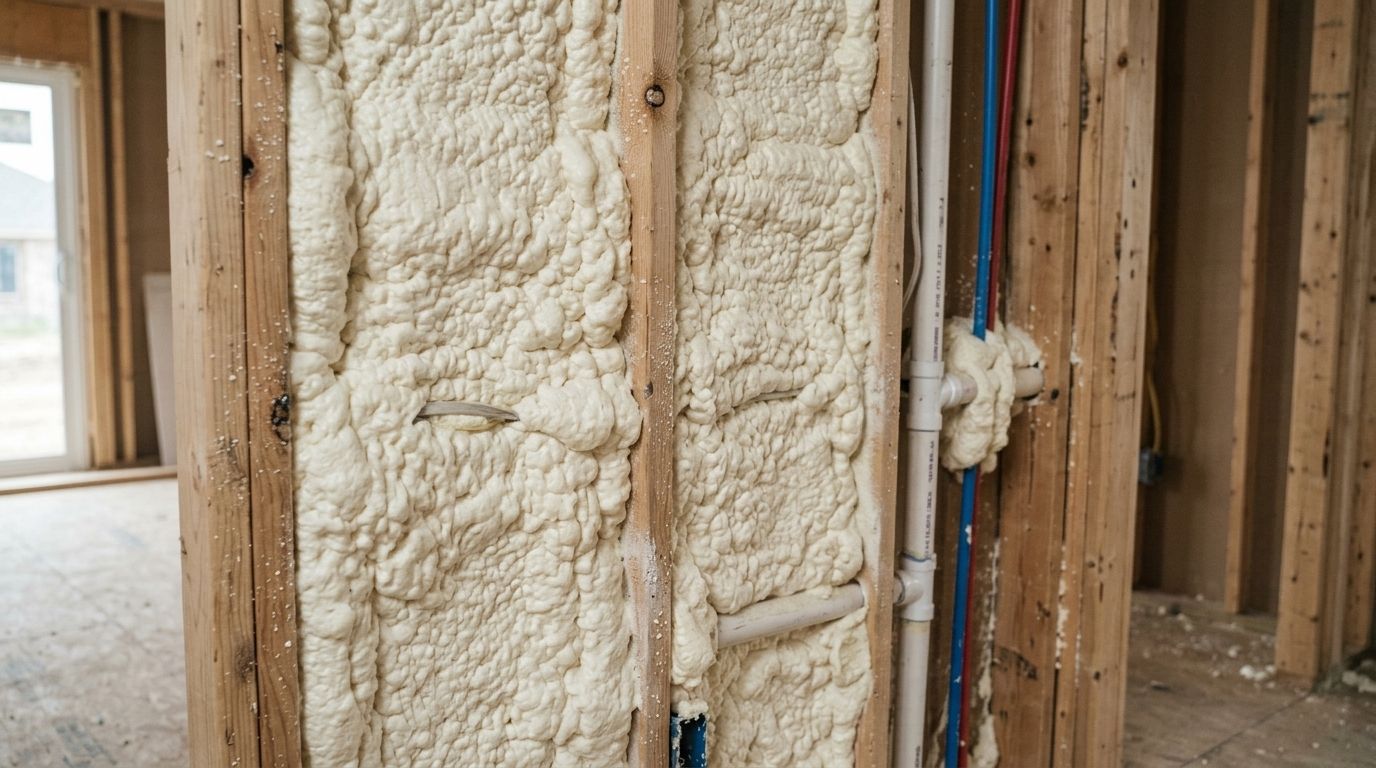
Homes and commercial buildings in San Angelo experience seasonal temperature changes that can affect indoor comfort and energy costs. This product may be suitable for attics and wall cavities when the building design and moisture conditions support its use. During wall applications, expanding foam fills many gaps around framing and penetrations, helping create a more airtight building envelope. In attics, foam provides thermal resistance and can absorb sound waves, offering sound dampening between indoor spaces. The appropriate application and thickness depend on the building assembly, local code requirements, and desired thermal performance. For example, the framing depth of a 2×6 wall influences how much material can fit within the cavity.
Moisture management also requires careful consideration. The permeable structure of this foam allows water vapor to pass through, so it should not be treated as a waterproof barrier. Depending on the building assembly, a separate vapor barrier or other moisture-control measure may be necessary. Professional assessments consider the roof structure, ventilation strategy, existing materials, and potential moisture sources before recommending installation. For new construction and retrofit projects, trained technicians can evaluate whether the product is appropriate and identify preparation or building-envelope concerns that should be addressed before work begins. Understanding the benefits of spray foam insulation alongside its limitations helps property owners choose an option suited to their building.
The Right Fit
Situations Where Open Cell Foam May Be Suitable
This material can be useful in selected areas where reducing air leakage and absorbing sound are important. For San Angelo homeowners, attic and interior wall applications may help limit drafts and reduce noise between rooms. Its expanding, spongy structure can fill irregular cavities around wiring, plumbing, and framing, provided installation follows applicable safety requirements and manufacturer specifications. Compared with traditional insulation materials, it can provide both cavity coverage and air-sealing benefits when applied correctly. These features may contribute to long-term cost savings by reducing unwanted heat transfer and helping HVAC systems maintain comfortable indoor temperatures.
Because it allows water vapor to pass through, this product is not automatically suitable for every roof, wall, or crawl space. Moisture exposure, condensation risk, ventilation, and surrounding materials must be evaluated before work begins. In rooms such as home theaters or music spaces, it may help absorb sound, although it does not make a room completely soundproof. Air-sealing work also requires attention to combustion appliances, ventilation openings, and other building components that must remain functional. These considerations help determine whether foam is the right choice for the property or whether another insulation material or building-envelope improvement would be more suitable.
Our Process
Professional Spray Foam Installation Process
1
Site Assessment and Insulation Planning
Each project begins with an assessment of the area to be insulated. Technicians examine attic framing, wall cavities, or accessible crawl spaces, review existing materials, and identify gaps or conditions that may affect performance. This inspection helps determine the required coverage, product suitability, and preparation work before the foam application begins. The team also considers the assembly's target R-value, since thermal resistance varies by product and thickness.
2
Surface Preparation and Foam Application
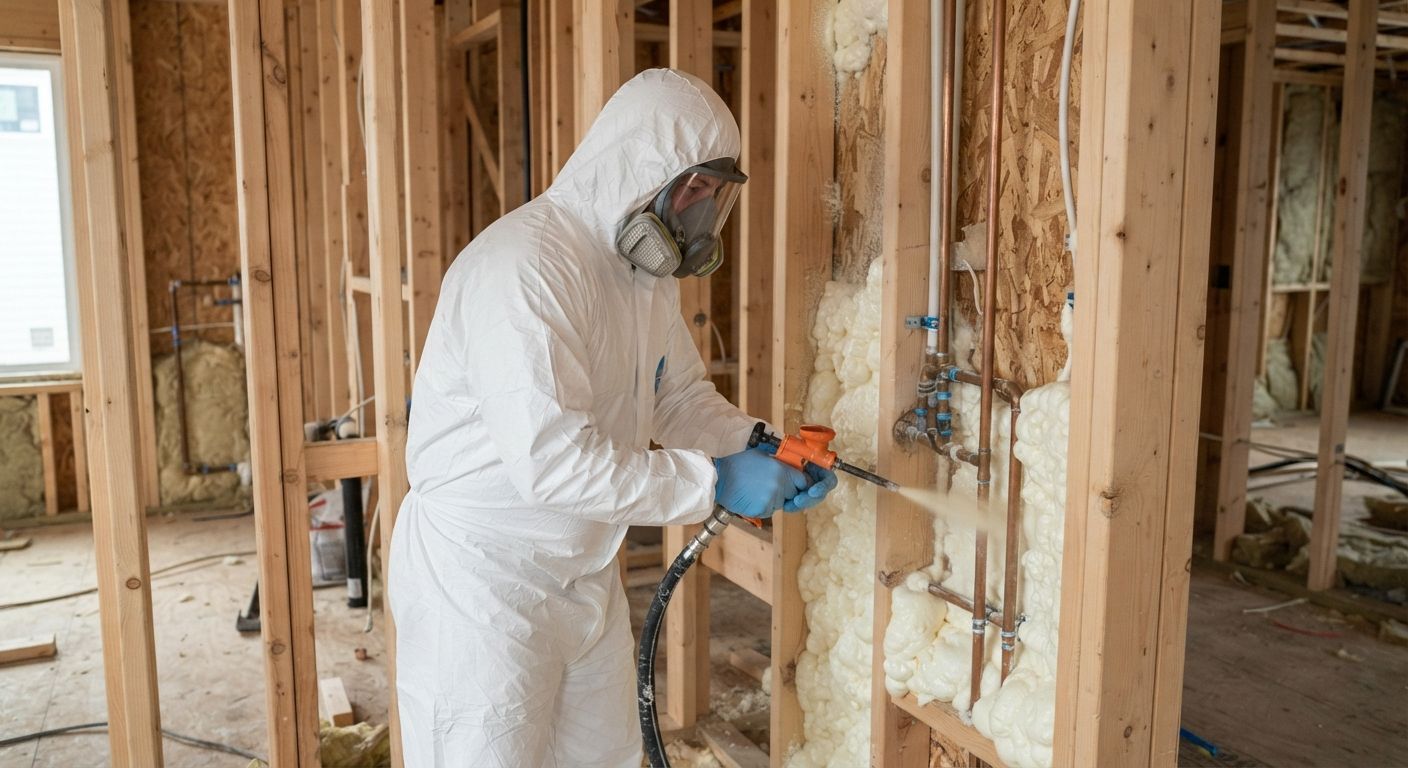
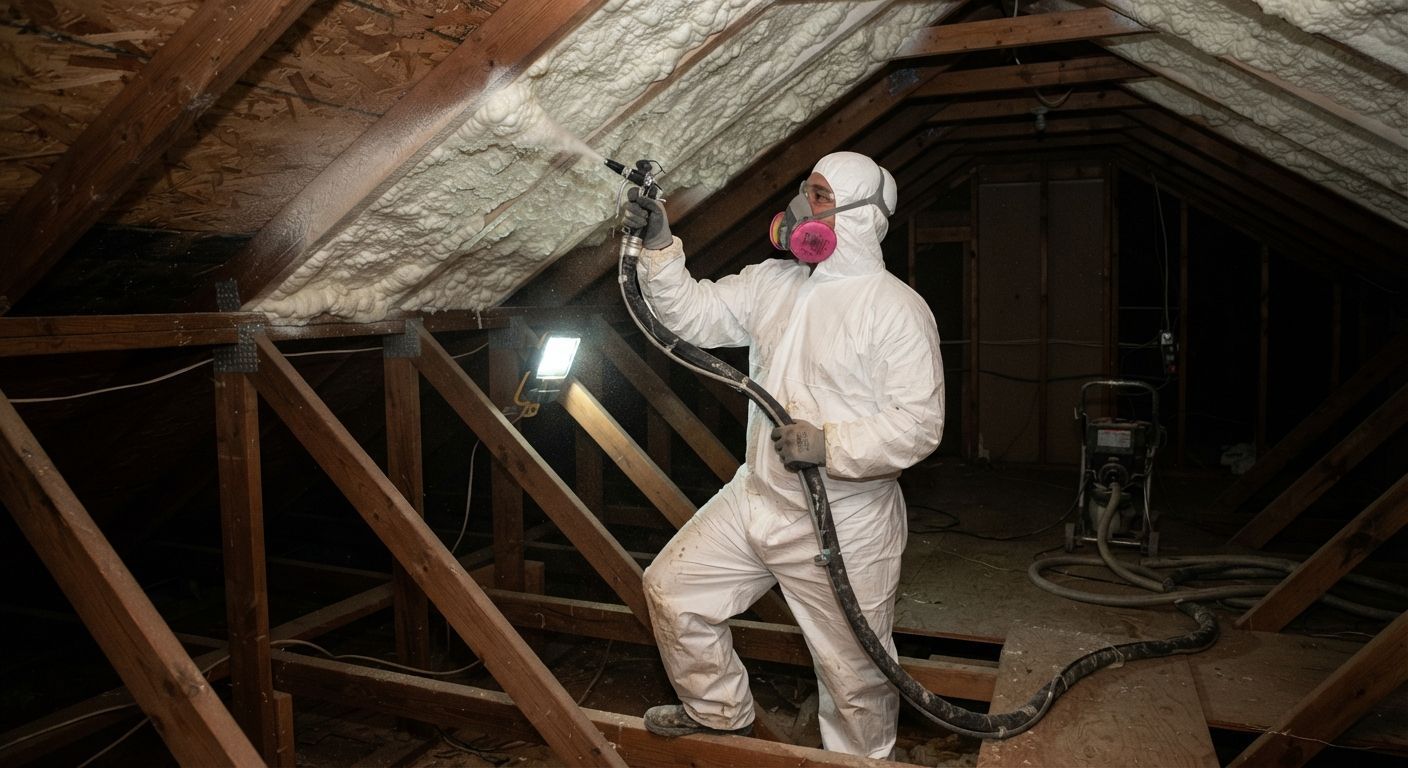
Before work begins, the area is prepared according to product specifications and site conditions. This may include addressing existing air leakage, removing unsuitable or damaged materials where necessary, protecting nearby surfaces, and checking that the substrate is appropriate for installation. Using professional-grade equipment and suitable protective measures, trained installers apply the material in accordance with manufacturer instructions, including required thicknesses and curing conditions. The expanding polyurethane fills suitable cavities and adheres to surrounding surfaces when properly applied, creating a more continuous air barrier. Property owners should avoid treating this as a DIY project because safe handling requires specialized equipment and careful control of application conditions.
3
Final Inspection and Quality Check
After application, the installation is checked for coverage, visible gaps, and compliance with relevant product and building requirements. Occupancy and re-entry must follow the manufacturer's specified curing and ventilation guidance. These steps support consistent workmanship and help confirm that the system is appropriate for the building assembly. Professional installation is especially important because application errors can affect performance, adhesion, and long-term condition, including whether the material may sag or pull away from surrounding surfaces.
Cost Guide
Open Cell Foam Insulation Cost and R-Value Factors
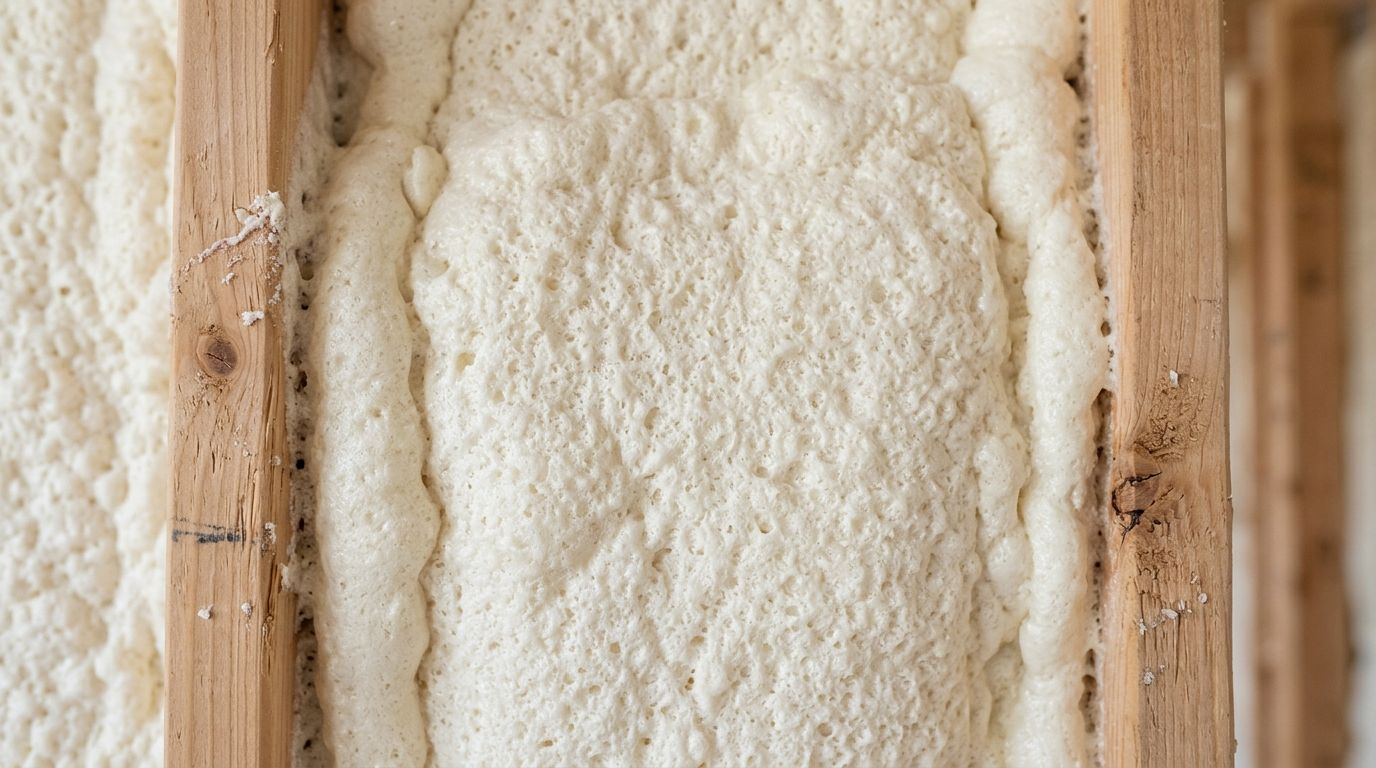
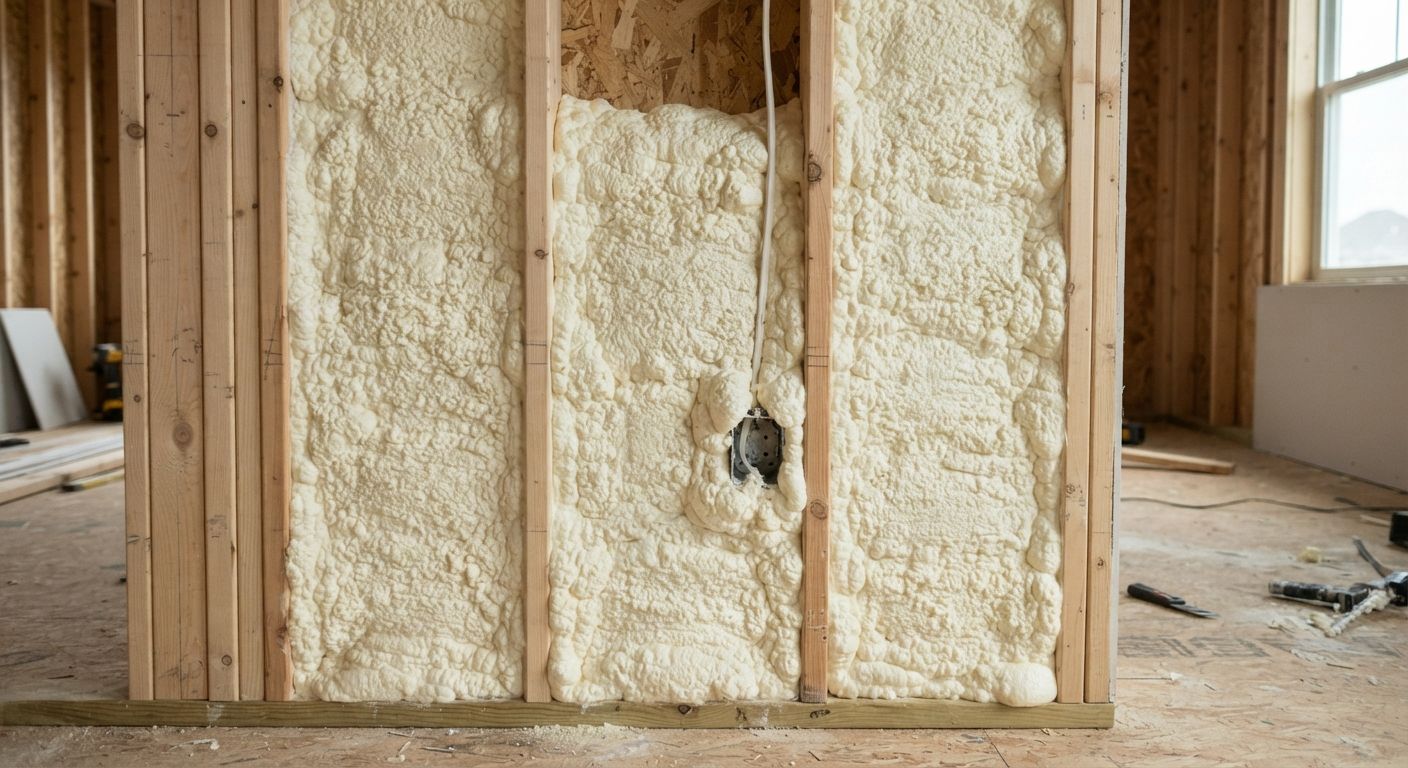
The cost of this insulation depends on project size, application location, required thickness, site accessibility, and preparation needs. Estimates may be calculated by the square foot or board foot, depending on the contractor's pricing method and the work involved. A board foot represents one square foot of coverage at one inch thick, while material pricing may also be described per cubic foot in some contexts. Published estimates can vary considerably, so a general price range should not be treated as a confirmed quote for a specific San Angelo property. Ceiling height, roof design, removal of existing materials, and access to attic or wall cavities can also affect labor and material requirements.
A professional assessment helps establish the scope of work and identify conditions that could influence the final estimate. Technicians may evaluate existing materials, measure the intended coverage area, and determine the thickness needed to meet thermal performance goals and applicable requirements. The product's rated R-value per inch is important when comparing options. Many open-cell products have ratings around R-3.5 to R-3.8 per inch, while closed-cell varieties commonly provide a higher R-value, often around R-6 to R-7 per inch, depending on the specific product. This greater thermal resistance can make denser foam useful where more insulation performance is needed within limited space. Additional preparation or repairs may increase the total cost if moisture damage, air leakage, or unsuitable surfaces are found. Local building codes and the selected product can also affect installation methods and expenses. A written estimate should outline the proposed work, materials, coverage, and any exclusions before installation begins.
Our Advantage
Why Choose Our Open Cell Insulation Services
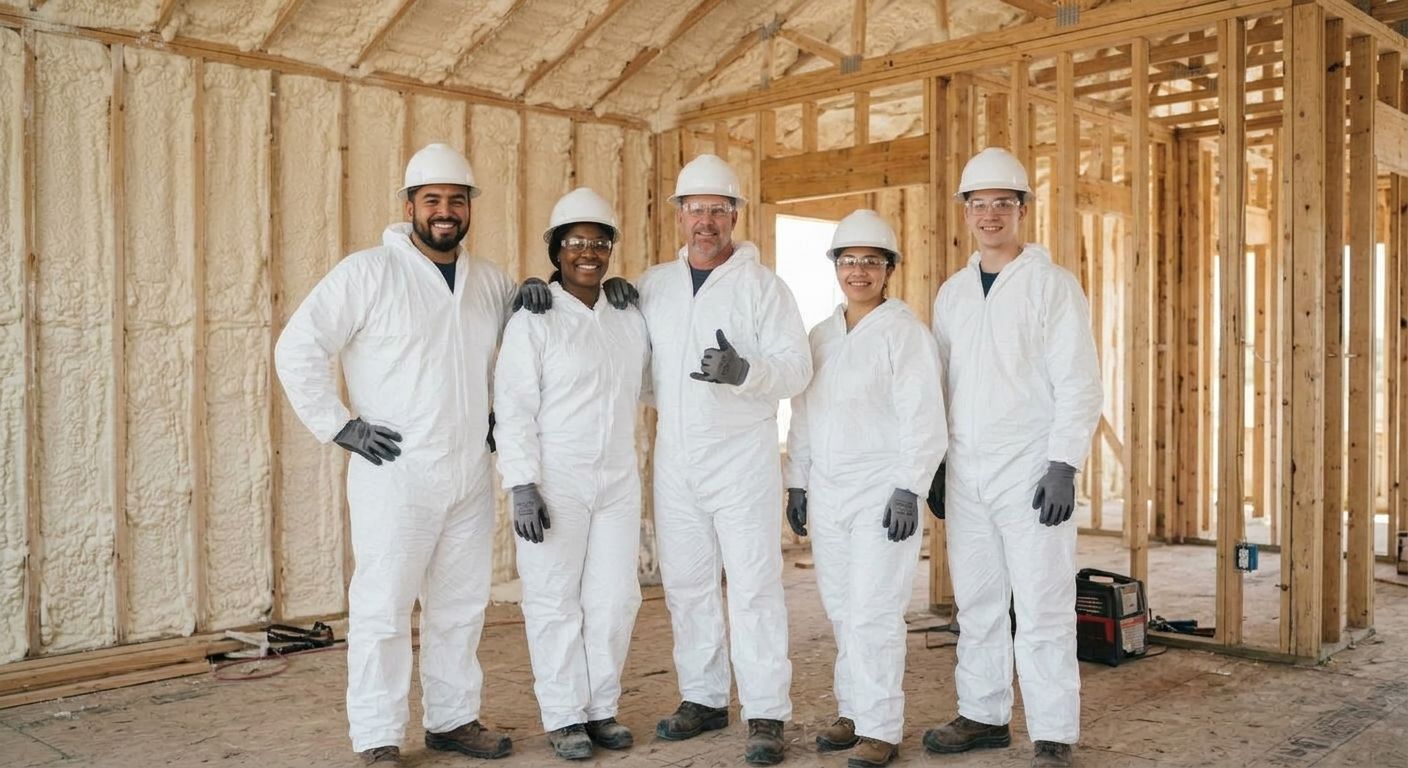
Choosing an insulation contractor involves more than comparing material prices. Proper application requires knowledge of building assemblies, product requirements, air sealing, moisture behavior, and job-site safety. Our local service team evaluates these factors before recommending a solution for residential and commercial buildings in San Angelo, TX.
Trained installers use specialized equipment and follow product-specific procedures for surface preparation, application thickness, curing, and ventilation. They also consider areas where the work must be coordinated with electrical wiring, plumbing, roof components, and existing ventilation systems. When comparing open and closed cell foam, property owners should consider the structure, moisture exposure, available cavity depth, and required thermal performance rather than relying on R-value alone. Understanding open-cell vs. closed-cell spray foam helps clarify why each product serves different building needs. A careful assessment and clear explanation of material options help property owners make informed decisions without relying on unsupported performance promises. Recommendations should also consider Department of Energy guidance and applicable building requirements when determining suitable insulation levels.
Recent Work
Recent Open Cell Foam Projects in San Angelo
This material is used in a range of new construction and retrofit applications across San Angelo, including suitable attic and wall installations. The required thickness varies according to the product's rated R-value, the building assembly, climate considerations, and applicable code requirements. For this reason, a single thickness should not be assumed appropriate for every property. Planning should account for the desired thermal performance and the specific conditions of the roof or wall system, including whether the product will be installed along the underside of the roof deck in a vented attic or an unvented assembly.
Residential projects may involve insulating accessible cavities, addressing air leakage, or upgrading an existing system. The expanding material can fill irregular spaces around framing and building penetrations, but the work must be coordinated carefully around wiring, plumbing, ventilation, and other components. Commercial applications require similar attention to building use, occupancy, and assembly design. Trained technicians should follow the selected product's installation instructions, applicable building codes, and relevant safety procedures. The blowing agent, application conditions, and curing requirements should be considered as part of the installation plan. These steps help ensure the chosen solution suits the property's requirements and can be evaluated appropriately after application.
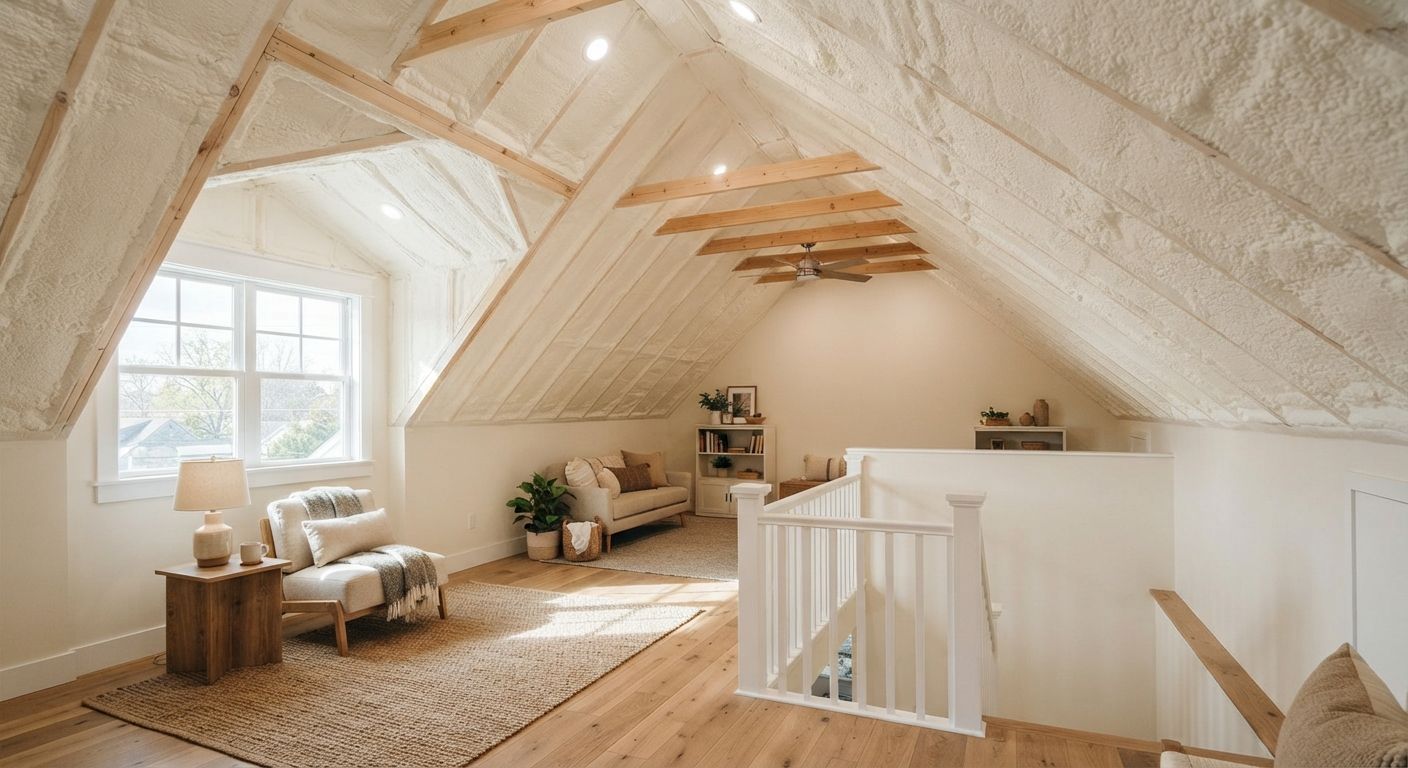
The Sunset Drive Renovation
San Angelo, TX
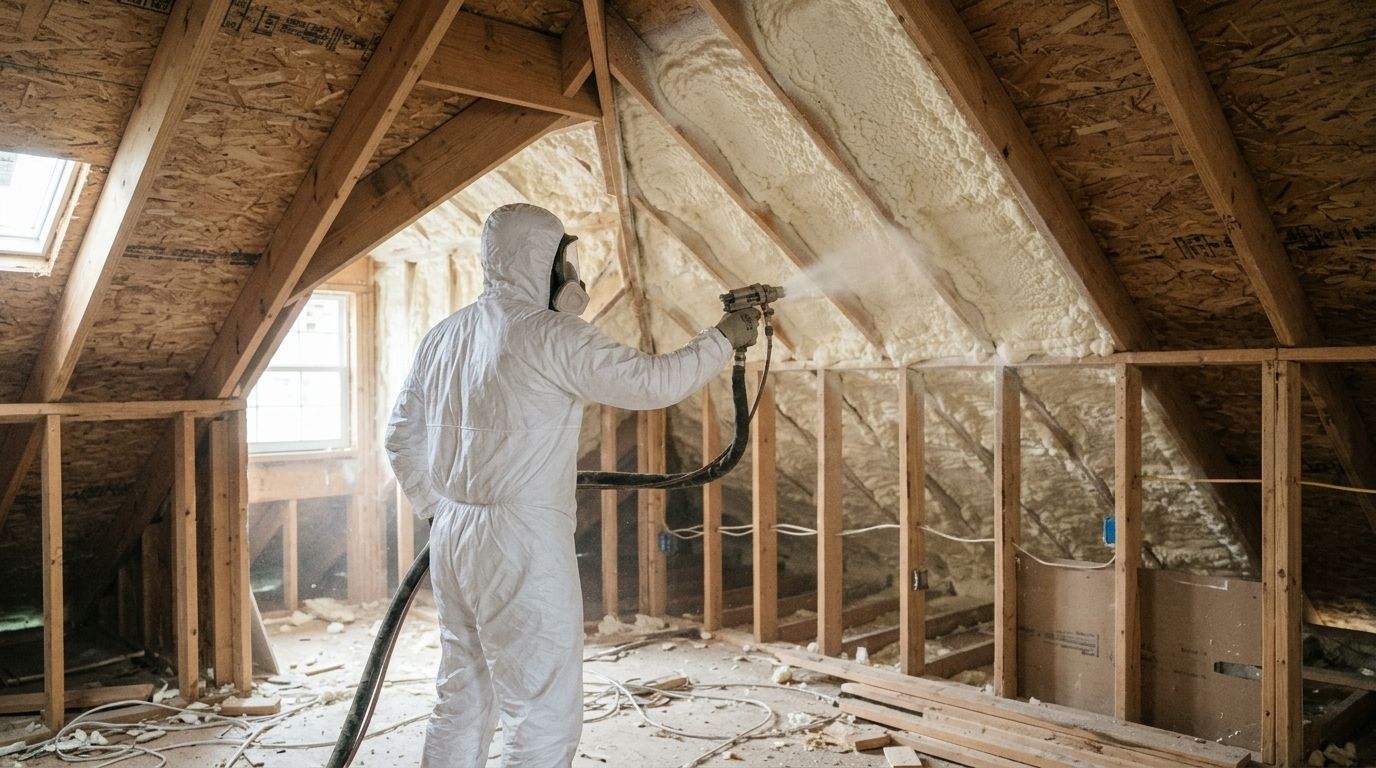
Lake Nasworthy Custom Home
San Angelo, TX
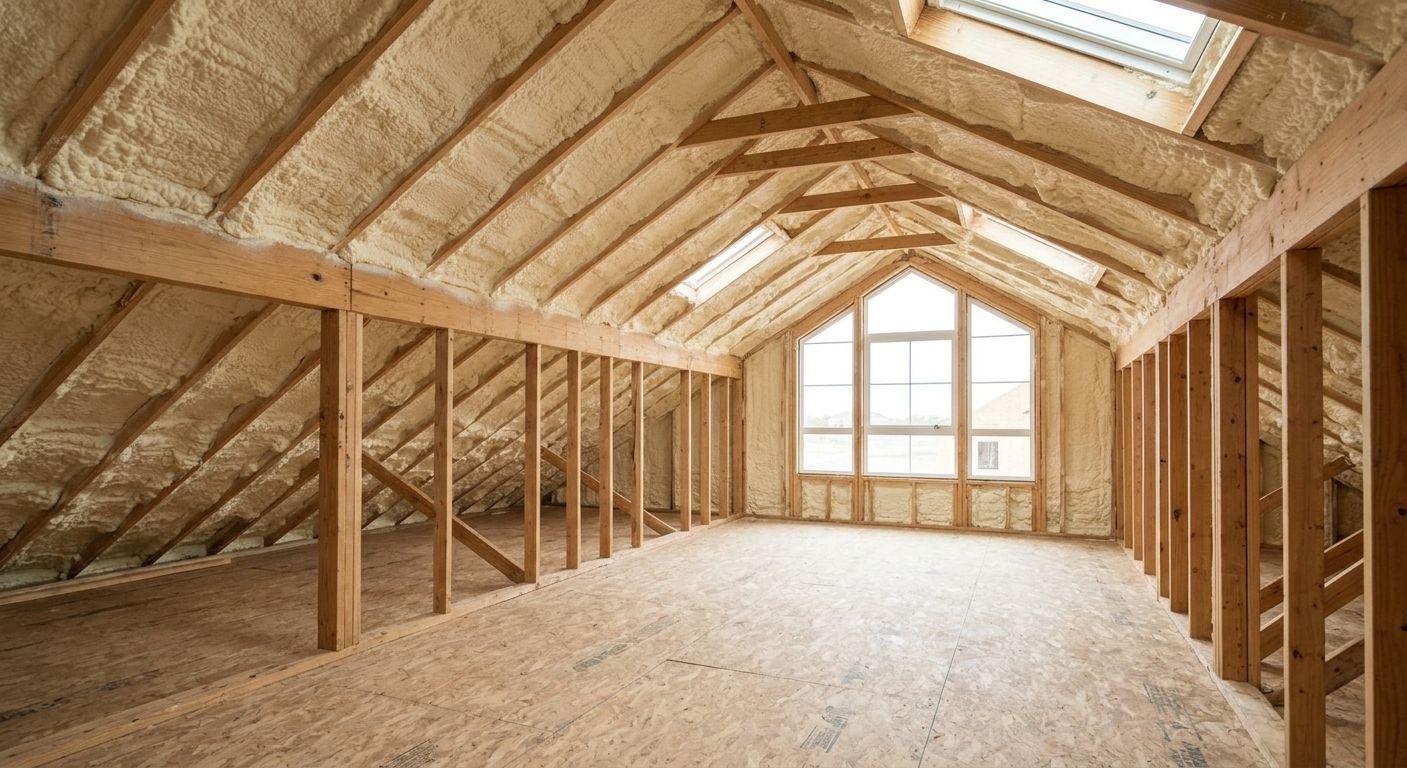
Grape Creek Modern Build
Grape Creek, TX
Twin Mountain Residential Upgrade
San Angelo, TX
Good to Know
Open-Cell Spray Foam Insulation Questions in San Angelo
How much does open-cell spray foam insulation cost in San Angelo, TX?
The cost depends on the area being treated, required thickness, accessibility, and preparation work. Projects may be priced by square footage or board-foot coverage. Removing damaged materials or addressing existing air leaks can add to the scope. A professional assessment helps determine material quantities and labor requirements. Request a written estimate that outlines the proposed work, coverage, and any additional charges before scheduling.
What are the benefits of open-cell spray foam insulation?
This expanding material fills suitable cavities to help reduce air leakage, provide thermal resistance, and limit sound transfer between rooms. Its lightweight, flexible structure makes it useful for certain attic and wall applications. However, it generally has a lower R-value per inch than closed-cell products and allows more water vapor to pass through. The right choice depends on the property's construction, moisture conditions, existing materials, and energy-efficiency goals.
Where can open-cell spray foam be installed in a home?
It is commonly used in suitable attics, wall cavities, and selected roof assemblies. Before work begins, trained technicians assess the building design, ventilation, moisture exposure, access, and surrounding materials. Crawl spaces and roof assemblies require particular care because an unsuitable system can contribute to moisture or condensation problems. The installer should confirm that the proposed application meets applicable building codes and manufacturer requirements.
Is open-cell spray foam suitable for San Angelo's hot summers?
It can help reduce heat transfer and unwanted air movement when installed in an appropriate building assembly. In San Angelo, high summer temperatures make attic insulation and air leakage important considerations for indoor comfort. An assessment should account for roof design, ventilation, required R-value, and applicable building codes. Energy savings vary with the home's construction, cooling system, existing materials, and other efficiency measures.
How does open-cell spray foam handle moisture?
This material is vapor-permeable and may absorb liquid water if exposed, so it is not a waterproofing product. Persistent moisture can damage building components and contribute to mold growth. Before installation, professionals should identify roof or plumbing leaks and assess whether the assembly needs a vapor barrier or other moisture-control measures. The appropriate approach depends on the building design, local conditions, and applicable code requirements.
An estimate begins with evaluating the areas that need attention, such as an attic or suitable wall cavities. Our local service team can review the property's construction, existing materials, access conditions, and potential moisture concerns to determine the scope of work. The estimate should explain the proposed product, coverage area, recommended thickness, preparation requirements, and expected installation process. Where relevant, the assessment should also consider the roof deck, ventilation strategy, and whether the assembly requires a separate moisture-control measure.
For homes and commercial properties in San Angelo, the right approach depends on the building assembly and the property's performance needs. This material may help manage heat transfer, reduce air leakage, and absorb sound when used under appropriate conditions. A professional assessment also helps identify where another option, such as fiberglass batts or closed-cell foam, or additional building-envelope work may be necessary. Understanding open-cell vs. closed-cell spray foam can help property owners compare the available options, including their thermal performance and moisture characteristics. Contact San Angelo Spray Foam Pros to discuss your project and arrange an assessment based on your property's requirements.